Introduction
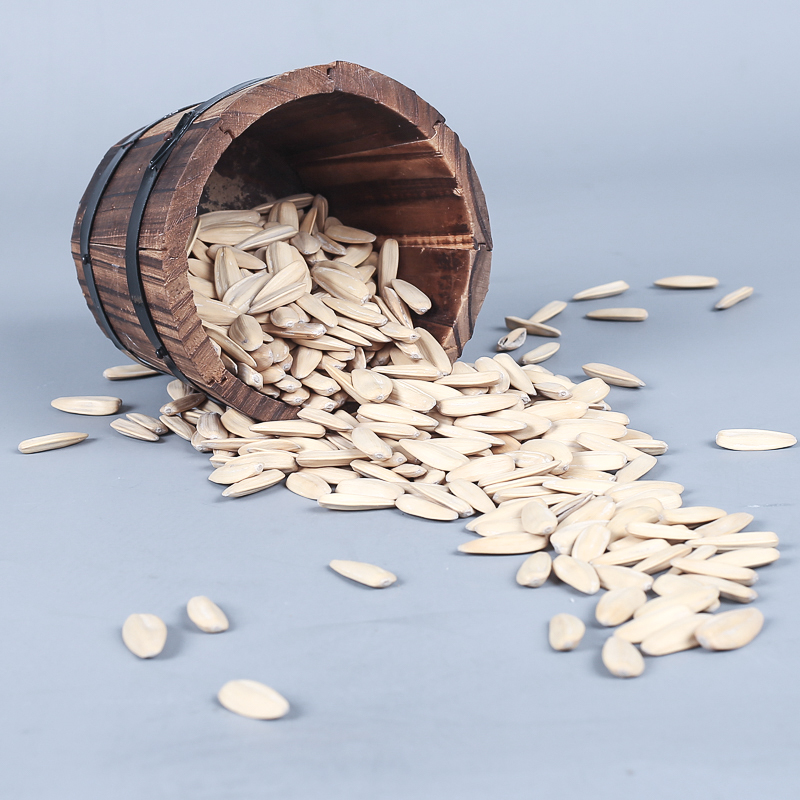
50 lb sunflower seeds represent a bulk commodity within the agricultural supply chain, positioned primarily as a feedstock for oil production, birdseed, and human consumption. Technically, these seeds are the fruit of the Helianthus annuus plant, categorized as oilseeds due to their high lipid content. Their significance extends across multiple industries, impacting food processing, animal feed production, and biofuel development. Core performance characteristics revolve around oil yield, protein content, moisture levels, and the presence of contaminants. Consistent quality and adherence to specific grading standards are paramount for successful integration into downstream processes. The 50 lb packaging unit is a standard logistical measure facilitating efficient handling and transportation within global commerce. Current industry challenges focus on optimizing oil extraction efficiency, mitigating aflatoxin contamination, and ensuring sustainable farming practices.
Material Science & Manufacturing
Sunflower seeds are composed of approximately 35-55% oil, 20-25% protein, 10-15% hull (or husk), and 5-10% moisture. The oil consists predominantly of linoleic acid (a polyunsaturated omega-6 fatty acid) and oleic acid (a monounsaturated fatty acid). The protein fraction contains essential amino acids vital for animal nutrition. The hull, primarily composed of cellulose and lignin, offers structural integrity but requires removal for oil extraction. Manufacturing begins with the selection of high-yield sunflower varieties, followed by cultivation, harvesting, and cleaning. Cleaning involves removing foreign materials (stones, stems, leaves) through a combination of screening, aspiration, and gravity separation. Drying is crucial to reduce moisture content to 8-10% to prevent fungal growth and maintain seed quality. Hulling, a mechanical process, separates the kernel from the hull. Parameter control during drying is critical; temperatures exceeding 45°C can denature proteins and reduce oil quality. Kernel moisture content must be rigorously monitored during storage to avoid rancidity. Seed grading is performed based on size, oil content, and the absence of damaged or foreign material according to established standards (see footer).
Performance & Engineering
The performance of 50 lb sunflower seeds is assessed based on several engineering parameters. Bulk density, typically around 60-70 lbs/cubic foot, dictates storage and transportation efficiency. Flowability, the ease with which seeds move through processing equipment, is affected by seed size, shape, and moisture content. Resistance to shear forces is relevant during hulling and oil extraction processes; excessively brittle seeds lead to higher fines generation, reducing yield. Environmental resistance during storage is a major concern. Elevated temperature and humidity promote lipid oxidation, resulting in rancidity and reduced oil quality. Insect infestation is another key risk, requiring controlled atmosphere storage or the application of approved protectants. Compliance requirements include adherence to maximum allowable levels of aflatoxins (regulated by FDA and EFSA), heavy metals, and pesticide residues. The structural integrity of the 50 lb packaging (typically polypropylene woven bags) must withstand the rigors of handling and transport, resisting tearing and moisture ingress. Proper stackability is also an engineering consideration for warehouse efficiency.
Technical Specifications
| Parameter | Unit | Typical Value | Test Method |
|---|---|---|---|
| Oil Content (Dry Basis) | % | 42-52 | AOAC Official Method 985.05 |
| Protein Content (Dry Basis) | % | 18-26 | AOAC Official Method 978.05 |
| Moisture Content | % | 8-10 | AOAC Official Method 925.10 |
| Hull Content | % | 10-15 | Visual Inspection/Separation |
| Kernel Size (Diameter) | mm | 8-12 | Sieve Analysis |
| Aflatoxin B1 (Maximum) | ppb | 20 | HPLC-FLD |
Failure Mode & Maintenance
Failure modes for 50 lb sunflower seeds relate primarily to quality degradation during storage and transport. Lipid oxidation, leading to rancidity, is a common failure, accelerated by exposure to oxygen, light, and high temperatures. This results in a decrease in oil quality and nutritional value. Biological degradation, specifically fungal growth (leading to aflatoxin contamination) and insect infestation, represents a severe failure mode, rendering the seeds unusable for human or animal consumption. Physical damage, such as kernel breakage during handling, increases susceptibility to oxidation and infestation. Packaging failure, including tears or punctures in the 50 lb bag, exposes the seeds to environmental factors. Maintenance, in this context, refers to proactive storage management. This includes maintaining low temperature (below 15°C) and humidity (below 65%), implementing pest control measures, utilizing appropriate packaging materials, and conducting regular quality checks (moisture content, aflatoxin levels, and visual inspection for damage). Proper stock rotation (FIFO - First In, First Out) is essential to minimize storage duration and prevent degradation. Regular monitoring of storage conditions is critical for detecting and addressing potential issues before they escalate into significant failures.
Industry FAQ
Q: What is the acceptable level of foreign material in a shipment of 50 lb sunflower seeds for oil extraction?
A: The acceptable level of foreign material (FM) varies depending on the contract specifications, but generally, a maximum of 1% FM is standard for oilseed processing. FM includes stones, sticks, leaves, and other non-seed material. Exceeding this limit can damage processing equipment and reduce oil yield, leading to price deductions.
Q: How does the moisture content of sunflower seeds impact oil extraction efficiency?
A: Optimal moisture content for oil extraction is typically between 8-10%. Seeds with excessively low moisture content (below 7%) are prone to cracking during flaking, leading to increased fines and reduced oil yield. High moisture content (above 11%) can inhibit efficient oil extraction and promote fungal growth.
Q: What analytical methods are used to determine the quality of sunflower oil derived from these seeds?
A: Key analytical methods include determining the free fatty acid (FFA) content, peroxide value (PV – an indicator of oxidation), iodine value (IV – measures unsaturation), and color. Gas chromatography (GC) is used to analyze the fatty acid profile. These tests ensure the oil meets quality standards for its intended application.
Q: What are the primary risks associated with long-term storage of 50 lb sunflower seed bags?
A: The primary risks are rancidity due to lipid oxidation, aflatoxin contamination from fungal growth, and insect infestation. These risks are exacerbated by high temperature, humidity, and inadequate pest control. Proper storage conditions and regular monitoring are essential to mitigate these risks.
Q: Are there specific regulations regarding the packaging materials used for 50 lb sunflower seeds, particularly concerning food contact safety?
A: Yes. Packaging materials must comply with FDA (US) or EFSA (Europe) regulations for food contact materials. Typically, woven polypropylene bags with a polyethylene liner are used, and these materials must be certified as safe for contact with food products and resistant to migration of harmful substances into the seeds.
Conclusion
The quality and performance of 50 lb sunflower seeds are intrinsically linked to their material composition, manufacturing processes, and adherence to stringent quality control standards. Understanding the interplay between oil content, moisture levels, and potential degradation pathways is crucial for maximizing value across the supply chain. Effective storage management, focusing on temperature and humidity control alongside robust pest control measures, is paramount to preventing failure modes and ensuring product integrity.
Future advancements will likely focus on developing sunflower varieties with improved oil profiles (e.g., higher oleic acid content), enhancing storage technologies to extend shelf life, and implementing more sustainable agricultural practices. Furthermore, the growing demand for plant-based proteins will drive innovation in protein extraction and utilization from sunflower seeds, expanding their application beyond traditional oil production.
