Introduction
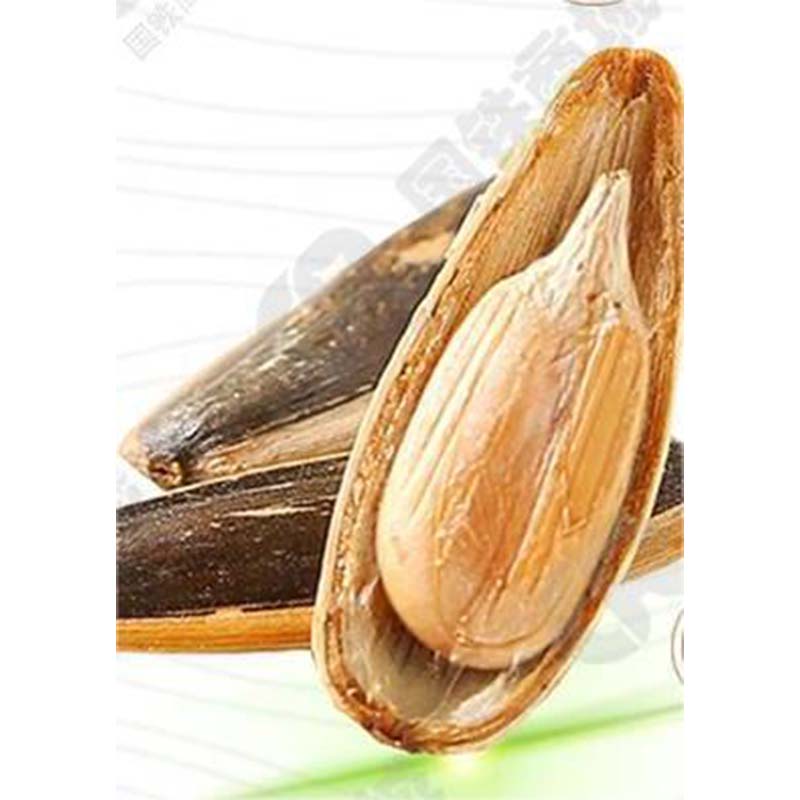
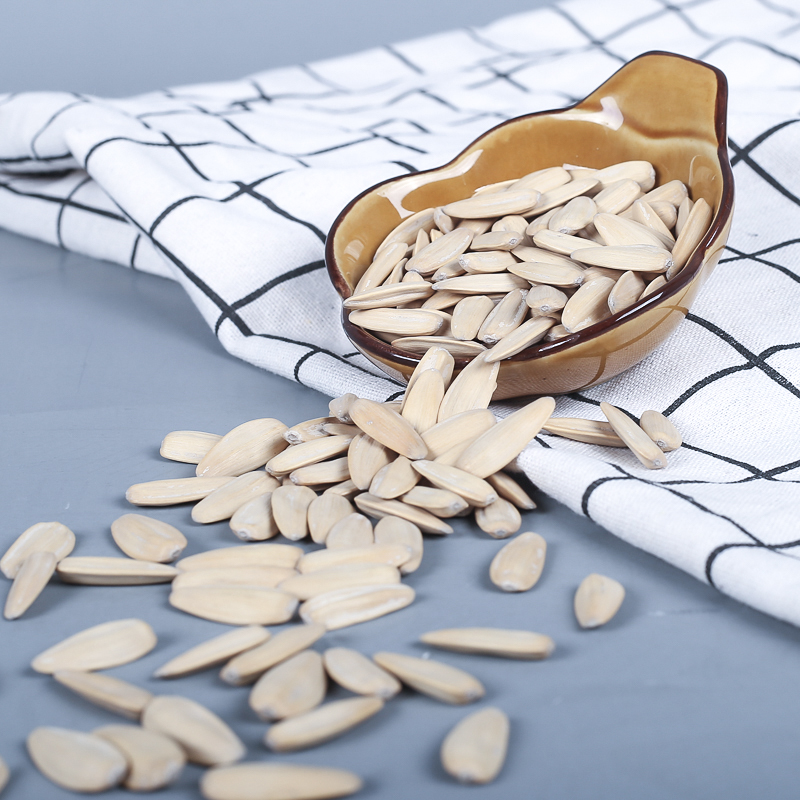
The 5-gallon bucket of sunflower seeds represents a significant unit within the agricultural commodity supply chain, bridging the gap between primary agricultural production and downstream processing, retail, and ultimately, consumer consumption. Sunflower seeds ( Helianthus annuus) are categorized as oilseeds, valued for their high oil content (40-50% by weight) and protein content (20-25% by weight). This product typically comprises a bulk quantity of processed sunflower seeds, generally hulled (de-shelled) and sometimes salted or otherwise flavored. Its primary function is as a direct human consumption snack food, a raw material for confectionery products, or an ingredient in birdseed formulations. The packaging – the 5-gallon high-density polyethylene (HDPE) bucket – is integral to maintaining product quality, ensuring ease of transport and storage, and providing a robust barrier against environmental factors. The core performance characteristics center on seed viability (for breeding purposes, though less common in this commercial form), oil quality (oleic vs. linoleic acid ratios), moisture content (critical for preventing aflatoxin development), and physical integrity of the packaging to prevent contamination and loss. This guide provides a comprehensive technical overview of 5-gallon buckets of sunflower seeds, covering material science, manufacturing processes, performance engineering, potential failure modes, and relevant industry standards.
Material Science & Manufacturing
The 5-gallon bucket of sunflower seeds is a composite system of two primary materials: the sunflower seeds themselves and the HDPE bucket. Sunflower seeds are composed primarily of lipid fractions (triglycerides, phospholipids), proteins (albumin, globulins), carbohydrates (starch), and fiber. The specific chemical composition varies based on the sunflower cultivar and growing conditions. Oil content dictates the fatty acid profile, with a growing preference for high-oleic varieties due to their improved oxidative stability. The manufacturing of sunflower seeds for bulk packaging involves several stages: harvesting, drying to a target moisture content of approximately 8-10% to inhibit microbial growth, dehulling (mechanical removal of the outer hull), sizing and grading (removal of broken or damaged seeds), and potentially seasoning (salting, flavoring).
The HDPE bucket is produced via blow molding. HDPE is chosen for its high strength-to-density ratio, excellent chemical resistance (to oils and fats), cost-effectiveness, and recyclability. The process begins with HDPE resin, typically a grade specifically formulated for blow molding (characterized by its melt flow index). This resin is melted and extruded into a parison (a hollow tube of plastic). The parison is then inflated inside a mold cavity using compressed air, conforming to the shape of the bucket. Crucial parameters in HDPE bucket manufacturing include mold temperature (influences crystallinity and surface finish), blow ratio (determines wall thickness distribution), cooling time (affects dimensional stability), and resin melt temperature (impacts viscosity and mold filling). Additives are often incorporated into the HDPE resin, including UV stabilizers (to prevent degradation from sunlight exposure), antioxidants (to enhance long-term durability), and pigments (for coloration and branding). The bucket lid, typically also HDPE, is often produced via injection molding and provides a snap-fit or gasketed seal to maintain product integrity.
Performance & Engineering
The performance of the 5-gallon bucket of sunflower seeds is evaluated based on several key engineering parameters. The HDPE bucket's structural integrity is critical for stacking and transportation. Finite Element Analysis (FEA) is commonly used during the bucket design phase to optimize wall thickness and ribbing patterns to maximize load-bearing capacity and minimize deformation under compressive forces. Buckle analysis determines the critical load at which the bucket walls will collapse. Impact resistance, measured via drop tests, assesses the bucket's ability to withstand accidental impacts during handling.
Sunflower seed quality is affected by environmental resistance factors, primarily moisture and oxygen. HDPE provides a relatively effective barrier to both, but permeation does occur over time. The permeation rate of oxygen and water vapor through HDPE is dependent on temperature, humidity, and the thickness of the bucket wall. Packaging specifications must account for the expected storage duration and temperature range to ensure the seeds remain within acceptable quality parameters. Aflatoxin contamination is a significant concern with oilseeds, and maintaining a low moisture content is crucial for preventing its formation. The bucket's sealing mechanism (lid design) directly impacts the ingress of moisture and oxygen. Compliance requirements vary by region, but typically include regulations pertaining to food-grade materials (FDA in the US, EFSA in Europe), labeling requirements (net weight, ingredient list, nutritional information), and packaging materials (restrictions on certain plasticizers or heavy metals). Static electricity build-up can be an issue during handling of dry sunflower seeds and can lead to dust explosions in enclosed environments. Antistatic additives may be incorporated into the HDPE resin to mitigate this risk.
Technical Specifications
| Parameter | Sunflower Seeds | HDPE Bucket | Units |
|---|---|---|---|
| Net Weight | Approximately 35 lbs (15.9 kg) | Approximately 2 lbs (0.9 kg) | lbs / kg |
| Moisture Content (Seeds) | 8 - 10 | <0.1 | % |
| Oil Content (Seeds) | 40 – 50 | N/A | % |
| HDPE Density | N/A | 0.940 - 0.965 | g/cm³ |
| Bucket Capacity | 5 | 5 | Gallons |
| Oxygen Transmission Rate (OTR) | N/A | < 3 cm³/m²/day | cm³/m²/day |
Failure Mode & Maintenance
Several failure modes can affect the 5-gallon bucket of sunflower seeds system. For the seeds themselves, rancidity (oxidative degradation of oils) is a primary concern, leading to off-flavors and reduced nutritional value. This is accelerated by exposure to oxygen, light, and high temperatures. Aflatoxin contamination, as mentioned previously, is a serious safety hazard and can occur if moisture levels are not adequately controlled. Insect infestation is another potential failure mode, requiring proper storage and pest control measures.
HDPE bucket failures typically involve cracking, impact damage, or lid deformation. Environmental Stress Cracking (ESC) can occur if the bucket is exposed to certain chemicals or solvents, leading to brittle fracture. UV degradation can cause embrittlement and discoloration over extended outdoor exposure. Fatigue cracking can develop in areas of high stress concentration (e.g., around the handle attachment points) due to repeated handling and stacking. Maintenance primarily focuses on proper storage conditions: cool, dry, and dark environments. Buckets should be inspected regularly for cracks or damage. If damage is detected, the bucket and its contents should be discarded. The HDPE bucket is recyclable, and proper disposal practices should be followed to minimize environmental impact. Seed quality should be periodically monitored for moisture content and rancidity using established analytical methods.
Industry FAQ
Q: What is the impact of varying sunflower seed oil content on the shelf life within the HDPE bucket?
A: Higher oil content generally correlates with a shorter shelf life due to increased susceptibility to oxidative rancidity. The rate of oxidation is influenced by the fatty acid profile – high-oleic seeds exhibit significantly better oxidative stability than high-linoleic seeds. Proper packaging (oxygen barrier properties of the HDPE bucket and a secure lid seal) and storage conditions (low temperature, dark environment) are crucial to mitigating this effect, regardless of oil content.
Q: How does the HDPE resin grade impact the bucket’s performance under stacking loads?
A: The molecular weight distribution and melt flow index of the HDPE resin significantly affect the bucket’s strength and rigidity. Higher molecular weight resins generally provide greater strength but may be more difficult to process. A lower melt flow index indicates higher viscosity, resulting in thicker walls and increased resistance to deformation under load. Choosing a resin specifically designed for blow molding and optimized for stacking applications is critical.
Q: What is the acceptable range for moisture content in the sunflower seeds to prevent aflatoxin growth?
A: Maintaining a moisture content below 8-10% is critical for preventing aflatoxin development. Aspergillus flavus and Aspergillus parasiticus fungi, which produce aflatoxins, require a water activity (aw) above 0.80 for growth. Proper drying during seed processing and maintaining a secure seal on the HDPE bucket are essential for controlling moisture levels.
Q: Are there specific FDA regulations pertaining to the use of HDPE for food contact in sunflower seed packaging?
A: Yes, the FDA regulates food contact substances under 21 CFR Part 177. HDPE used in food packaging must comply with these regulations, which specify limitations on the types and amounts of additives that can be used in the resin. Manufacturers must provide documentation demonstrating compliance with these regulations.
Q: How does the color of the HDPE bucket (e.g., black vs. white) affect product quality?
A: Darker colored HDPE buckets (e.g., black) offer better protection against light-induced oxidation of the sunflower seed oils. However, darker colors can absorb more heat, potentially increasing the temperature inside the bucket. White or lighter colored buckets reflect more light but may allow greater UV transmission, requiring the inclusion of UV stabilizers in the HDPE resin.
Conclusion
The 5-gallon bucket of sunflower seeds represents a complex interplay of material science, manufacturing precision, and performance engineering. Maintaining optimal seed quality and ensuring the structural integrity of the HDPE packaging are paramount concerns throughout the supply chain. A comprehensive understanding of factors impacting seed rancidity, aflatoxin contamination, and packaging failure modes is crucial for minimizing product loss and ensuring consumer safety.
Future advancements in packaging technology may involve the incorporation of modified atmosphere packaging (MAP) techniques to further extend shelf life, the use of bio-based HDPE alternatives to enhance sustainability, and the development of smart packaging solutions incorporating sensors to monitor temperature, humidity, and gas composition within the bucket. Continued research and development efforts focused on optimizing both seed processing and packaging materials will be essential for meeting the evolving demands of the sunflower seed market.
