Introduction
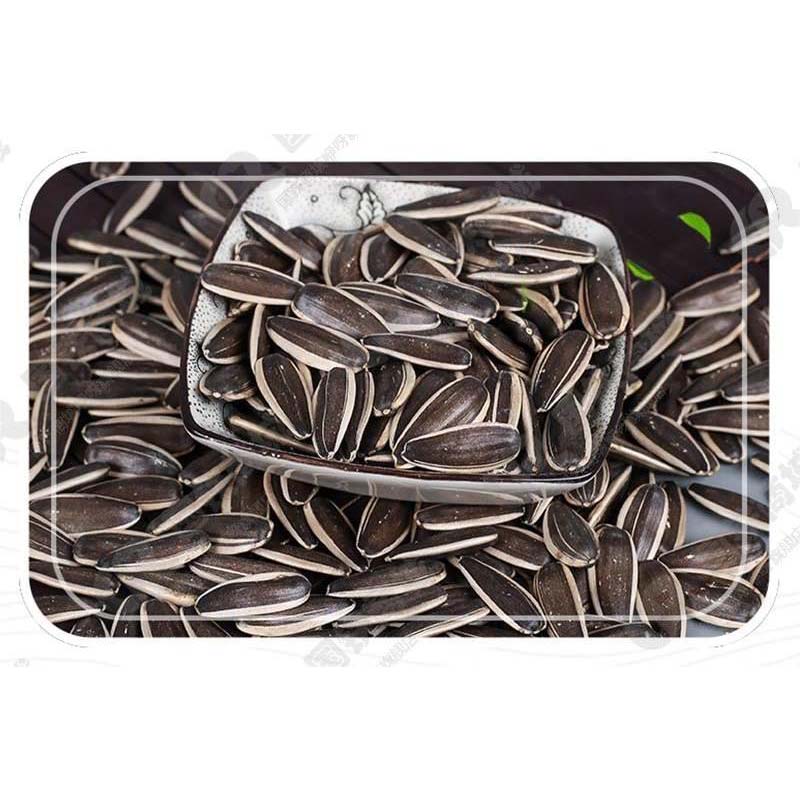
40 lbs of sunflower seeds represent a significant commodity within the agricultural supply chain, serving as a crucial input for edible oil production, confectionary applications, and animal feed. Positioned between primary agricultural production and food processing, these seeds undergo rigorous quality control measures to meet stringent industry standards. Core performance characteristics include oil content, kernel size and weight, moisture content, and freedom from foreign material. The agricultural industry faces escalating concerns regarding seed viability, aflatoxin contamination, and consistent supply chain stability, directly impacting the economic value of 40 lbs sunflower seed lots. This guide provides a comprehensive technical overview of sunflower seed composition, manufacturing processes involved in delivering a 40 lbs unit, performance parameters, potential failure modes, and relevant industry standards.
Material Science & Manufacturing
Sunflower seeds (Helianthus annuus) are comprised primarily of an oil-rich kernel encased within a hull, or husk. The kernel consists of approximately 42-58% oil, 20-28% protein, and 10-15% carbohydrates. The hull contributes significantly to the overall weight, typically accounting for 28-40% of the seed's mass. Raw material sourcing directly impacts the quality; factors like soil composition, climate, and genetic variety influence oil yield and fatty acid profiles.
Manufacturing involves several key stages: harvesting, drying, cleaning, dehulling (optional, depending on the intended application – confectionary seeds typically retain the hull), grading, and packaging. Drying is critical, reducing moisture content from approximately 30% to 8-10% to prevent mold growth and enzymatic degradation. This is typically achieved using forced-air drying systems, carefully controlling temperature (typically below 60°C) to preserve oil quality. Cleaning employs a combination of screens, aspirators, and gravity separators to remove foreign material (stalks, leaves, stones, and weed seeds). Grading is based on kernel size, density, and oil content. Packaging into 40 lbs units commonly involves polyethylene or polypropylene bags, offering moisture protection. Key parameter control focuses on maintaining consistent seed moisture, minimizing hull damage during processing, and ensuring accurate weight filling. The selection of packaging material must also consider oxygen transmission rate (OTR) to prevent oxidative rancidity of the oil within the seed.

Performance & Engineering
The performance of 40 lbs sunflower seeds is evaluated based on several critical parameters. Oil extraction yield is paramount, directly influencing profitability. This is determined by the efficiency of pressing or solvent extraction processes. Seed hardness, measured by compression testing, impacts the efficiency of dehulling and oil extraction. Moisture content significantly affects shelf life; exceeding 10% promotes fungal growth and aflatoxin production. Aflatoxins, potent carcinogens produced by Aspergillus molds, are a major concern. Regulatory limits for aflatoxin contamination vary internationally (discussed in the Standards section). The physical integrity of the seed during transportation and handling is also crucial. Impact resistance testing determines the seed's ability to withstand the stresses of handling and storage. Furthermore, for confectionary sunflower seeds, kernel plumpness and uniform size are important aesthetic qualities. Environmental resistance is primarily related to storage conditions; maintaining low temperature and humidity is vital for preserving quality. Compliance requirements include adherence to food safety standards (HACCP, GMP) and regulations governing aflatoxin levels.
Technical Specifications
| Parameter | Unit | Typical Value | Test Method |
|---|---|---|---|
| Oil Content (Dry Basis) | % | 48-52 | AOAC Official Method 986.33 |
| Moisture Content | % | 8-10 | AOAC Official Method 925.10 |
| Kernel Weight (1000 kernels) | g | 2.5-3.5 | Seed Analyzer |
| Hull Content | % | 28-35 | Visual Inspection/Manual Separation |
| Aflatoxin B1 (Maximum) | ppb | 20 (dependent on regulation) | HPLC-FLD |
| Free Fatty Acid (FFA) | % | <0.5 | Titration |
Failure Mode & Maintenance
Sunflower seeds are susceptible to several failure modes. Lipid oxidation, leading to rancidity, is a primary concern, particularly during prolonged storage. This is accelerated by exposure to oxygen, light, and elevated temperatures. Aflatoxin contamination is a significant safety hazard, resulting from fungal growth during pre-harvest or post-harvest handling. Physical damage during handling (cracking, chipping) reduces quality and increases susceptibility to insect infestation. Insect infestation (e.g., by storage beetles) can lead to significant losses and contamination. Germination failure is a concern when seeds are intended for replanting.
Maintenance strategies focus on preventative measures. Proper drying and storage conditions (cool, dry, dark) are essential to minimize oxidation and fungal growth. Regular inspection for insect infestation is crucial. Implementing a robust quality control program, including aflatoxin testing, is vital. Employing proper handling procedures to minimize physical damage is also critical. For long-term storage, the use of modified atmosphere packaging (MAP) with reduced oxygen levels can significantly extend shelf life. Fumigation (with approved insecticides) may be necessary in cases of severe insect infestation, but requires careful adherence to safety regulations.
Industry FAQ
Q: What is the impact of varying oil content on the price of 40 lbs sunflower seeds?
A: Oil content is a primary driver of price. Higher oil content translates directly to greater yield for oil processors, increasing demand and thus the price per unit weight. Seeds exceeding 50% oil content command a premium compared to those closer to 42-45%.
Q: How does the presence of hull fragments affect the downstream processing of sunflower seeds?
A: Significant hull fragment content increases wear and tear on processing equipment (e.g., dehullers, crushers). It also reduces the efficiency of oil extraction and can contribute to increased oil color and undesirable flavor compounds. Processors typically impose penalties for excessive hull fragments.
Q: What are the primary methods used to detect and mitigate aflatoxin contamination in sunflower seed shipments?
A: Aflatoxin is primarily detected using High-Performance Liquid Chromatography with Fluorescence Detection (HPLC-FLD). Mitigation strategies include careful crop management practices to minimize fungal infection, proper drying and storage, and the use of aflatoxin binders in animal feed applications. Rejecting contaminated shipments is common.
Q: What are the key differences in quality control for confectionary versus oil-processing grade sunflower seeds?
A: Confectionary seeds require stricter grading based on kernel size, shape, and visual appearance. Hull integrity is also crucial. Aflatoxin levels must be extremely low due to direct human consumption. Oil-processing seeds prioritize oil yield, with less emphasis on visual characteristics.
Q: How important is seed moisture content in determining the shelf life of a 40 lbs bag of sunflower seeds?
A: Seed moisture content is critically important. Maintaining below 10% moisture prevents fungal growth and lipid oxidation. Higher moisture levels significantly reduce shelf life, leading to rancidity and potential aflatoxin development. Proper packaging and storage conditions are essential to maintain low moisture content.
Conclusion
The quality and performance of 40 lbs sunflower seed lots are governed by a complex interplay of genetic factors, agricultural practices, and post-harvest processing techniques. Maintaining optimal moisture content, minimizing physical damage, and rigorously controlling aflatoxin contamination are essential for ensuring product safety and maximizing economic value. Understanding the critical parameters outlined in this guide – oil content, kernel weight, hull content, and FFA – is paramount for informed procurement decisions and effective quality control.
Looking forward, advancements in seed breeding programs are focusing on enhancing oil yield, improving disease resistance, and developing varieties with lower hull content. The implementation of improved storage technologies, such as controlled atmosphere storage, will further extend shelf life and preserve seed quality. Continued adherence to international standards and best practices is crucial for maintaining consumer confidence and facilitating global trade in this valuable agricultural commodity.
