Introduction
25kg/bags of sunflower seeds represent a critical unit of trade in the agricultural commodities market, serving as a standard packaging size for wholesale distribution, processing, and export. Sunflower seeds ( Helianthus annuus) are valued for their oil content, protein, and various micronutrients, leading to applications in edible oils, confectionary products, birdseed, and increasingly, as a feedstock for biofuel production. This technical guide details the material science, manufacturing processes, performance characteristics, potential failure modes, and relevant standards associated with the production and handling of 25kg/bags sunflower seeds, aiming to provide a comprehensive resource for industry professionals involved in procurement, quality control, logistics, and processing. The industry faces key pain points including maintaining seed viability during storage and transport, preventing lipid oxidation leading to rancidity, ensuring compliance with food safety regulations, and minimizing physical damage during handling. Maintaining optimal moisture content and employing appropriate packaging materials are paramount to addressing these challenges.
Material Science & Manufacturing
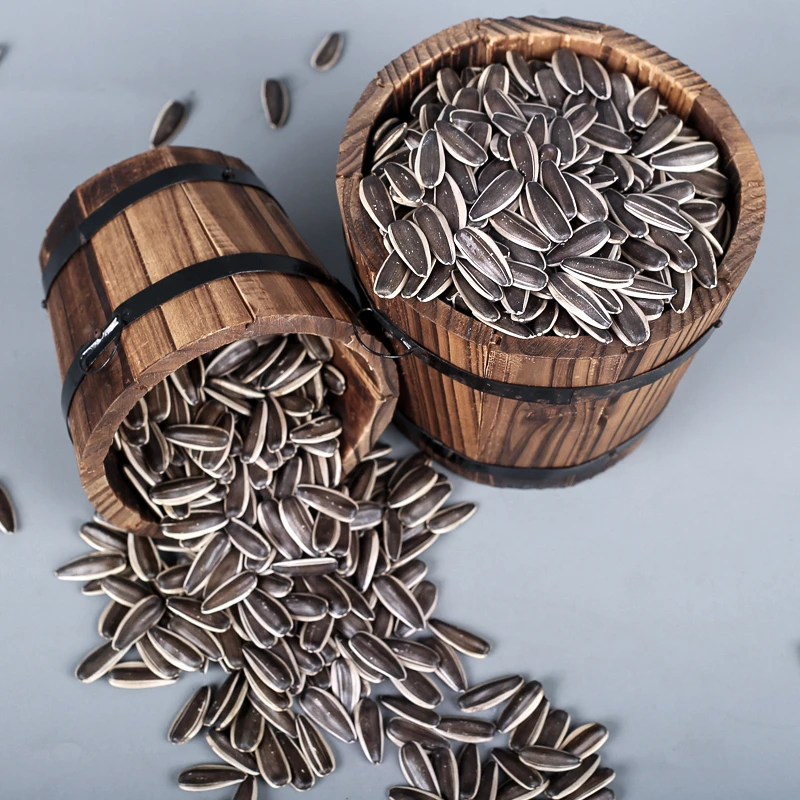
Sunflower seeds are comprised primarily of three components: the kernel (approximately 40-50% oil, 20-25% protein, and 15-20% carbohydrates), the hull (approximately 20-30% of total seed weight, composed of cellulose, hemicellulose, and lignin), and moisture (typically 8-12% at harvest). The oil within the kernel is primarily composed of linoleic acid (around 60%), oleic acid (around 30%), and palmitic acid (around 5%). Seed quality is significantly impacted by genetics, growing conditions (temperature, precipitation, soil composition), and harvesting techniques. Manufacturing begins with harvesting, typically utilizing combine harvesters equipped with threshing and cleaning mechanisms. The seeds undergo initial cleaning to remove debris (stalks, leaves, and other plant matter) and foreign materials. Drying is a crucial step, employing forced-air systems to reduce moisture content to approximately 7-8% for long-term storage. This is critical to prevent fungal growth and lipid oxidation. Bagging involves weighing 25kg of dried seeds into appropriate packaging. Common materials include woven polypropylene (PP) bags, sometimes with polyethylene (PE) liners for enhanced moisture protection. The PP fabric density, weave pattern, and tensile strength are key parameters. Sealing methods include heat sealing or stitching. Controlling ambient temperature and humidity during bagging is essential to maintain seed viability. Parameter control during drying, focusing on temperature (below 45°C to avoid protein denaturation) and airflow, is vital to seed quality. The moisture content is monitored using grain moisture meters.
Performance & Engineering
The performance of 25kg/bags sunflower seeds is evaluated based on several key factors. Stacking strength of the bags is crucial for efficient warehouse storage and transport. This is dictated by the bag material's tensile strength, weave density, and the quality of the sealing. Force analysis considers the weight of the seeds (25kg plus bag weight), potential impact forces during handling (dropping, loading/unloading), and compressive forces during stacking. Environmental resistance pertains to the bag’s ability to withstand moisture, UV radiation, and temperature fluctuations. PP bags offer reasonable UV resistance, but prolonged exposure can lead to degradation. Moisture vapor transmission rate (MVTR) is a critical parameter, particularly in humid climates; PE liners help to minimize MVTR. Compliance requirements include adherence to food safety regulations (e.g., HACCP, GMP), pesticide residue limits (established by regulatory bodies such as the FDA and EFSA), and packaging material safety standards (ensuring the bags do not leach harmful chemicals into the seeds). The bags must also meet transport regulations (e.g., ISPM 15 for wood packaging, if applicable, or regulations concerning palletization and securing loads). Furthermore, ensuring the integrity of the packaging maintains the seed’s germination rate and oil quality throughout the supply chain. Handling systems require engineering considerations for automated bagging lines, palletizing robots, and conveyor systems, minimizing seed damage during transfer.
Technical Specifications
| Parameter | Units | Specification (Typical) | Test Method |
|---|---|---|---|
| Seed Moisture Content | % | 7-8 | Grain Moisture Meter (e.g., DICKEY-john) |
| Oil Content | % | 40-50 | Soxhlet Extraction (AOAC Official Method 920.39) |
| Protein Content | % | 20-25 | Kjeldahl Method (AOAC Official Method 920.87) |
| Kernel Damage (%) | % | < 3 | Visual Inspection/Seed Separator |
| Hull Content (%) | % | 20-30 | Seed Dissection/Screening |
| Bag Tensile Strength (Longitudinal/Transverse) | N | > 800 / > 600 | ASTM D2256 |
Failure Mode & Maintenance
Failure modes for 25kg/bags of sunflower seeds can be categorized into seed degradation and packaging failure. Seed degradation includes lipid oxidation (leading to rancidity, indicated by increased peroxide value and free fatty acid content), fungal contamination (resulting in mycotoxin production, requiring microbial analysis), and loss of germination rate (due to seed aging or improper storage). Packaging failures include bag rupture (due to excessive weight, impact, or material defects), seam failure (caused by inadequate sealing or stress), and moisture ingress (leading to seed spoilage). Fatigue cracking in the PP bags occurs with repeated handling and stacking. Delamination of the PP fabric can reduce tensile strength. UV degradation causes embrittlement of the bag material. Maintenance focuses on proper storage conditions (cool, dry, and well-ventilated environment), regular inspection of bags for damage, and first-in, first-out (FIFO) inventory management. Monitoring seed moisture content and oil quality during storage is crucial. Preventative measures include using oxygen absorbers within the bags to reduce lipid oxidation and utilizing desiccants to control moisture. Proper palletization and securing of loads during transport minimize impact damage. In case of bag rupture, immediate repackaging into new, intact bags is necessary to prevent seed loss and contamination. Regularly calibrate moisture meters to ensure accuracy.
Industry FAQ
Q: What is the acceptable tolerance for seed moisture content, and what are the implications of exceeding that tolerance?
A: The acceptable tolerance for seed moisture content is typically ±0.5% from the specified 7-8%. Exceeding this tolerance can lead to increased fungal growth, activation of lipases causing rancidity, and reduced storage life. Higher moisture content also increases the risk of caking, making the seeds difficult to process. We recommend rigorous moisture monitoring and drying procedures to maintain optimal levels.
Q: How do different bag materials (e.g., PP vs. PE) compare in terms of moisture barrier properties and cost?
A: Woven PP bags offer good tensile strength and are relatively cost-effective, but have limited moisture barrier properties. PE liners significantly improve moisture protection but add to the overall cost. High-density polyethylene (HDPE) offers superior moisture barrier compared to low-density polyethylene (LDPE). The choice depends on the climate, storage conditions, and the required shelf life of the seeds.
Q: What are the key indicators of lipid oxidation in sunflower seeds, and how can they be mitigated?
A: Key indicators of lipid oxidation include increased peroxide value, free fatty acid content, and the development of off-flavors (rancidity). Mitigation strategies include reducing seed moisture content, using oxygen absorbers within the packaging, adding antioxidants (e.g., Vitamin E), and storing seeds in a cool, dark environment. Proper packaging material selection with low OTR (Oxygen Transmission Rate) is also crucial.
Q: What are the requirements for stackability of the 25kg bags in a warehouse environment?
A: Stackability requirements depend on the warehouse racking system and the height limitations. The bags must maintain their structural integrity under compressive loads. Bag tensile strength, weave density, and sealing quality are critical. Palletization and proper load securing are also essential to prevent collapse and ensure worker safety. A stacking test should be performed to determine the maximum safe stacking height.
Q: What are the relevant food safety certifications that suppliers of 25kg/bags sunflower seeds should possess?
A: Suppliers should possess certifications demonstrating adherence to food safety standards such as HACCP (Hazard Analysis and Critical Control Points), GMP (Good Manufacturing Practices), and potentially FSSC 22000 or BRCGS Food Safety. They should also provide documentation regarding pesticide residue analysis, mycotoxin levels, and compliance with relevant regulatory limits (FDA, EFSA, etc.).
Conclusion
The integrity of 25kg/bags sunflower seeds relies heavily on a confluence of factors, extending from the intrinsic material properties of the seeds themselves to the engineering design of the packaging and the rigor of quality control measures implemented throughout the supply chain. Maintaining optimal moisture content, mitigating lipid oxidation, and ensuring the mechanical robustness of the packaging are paramount to preserving seed viability, nutritional value, and marketability.
Looking ahead, advancements in packaging technology, such as the development of biodegradable or compostable bag materials, and enhanced moisture barrier films, offer opportunities to reduce environmental impact and improve product protection. Continuous monitoring of industry standards and regulatory changes, coupled with a proactive approach to risk management, will be crucial for ensuring the long-term success and sustainability of the sunflower seed trade.
