Introduction
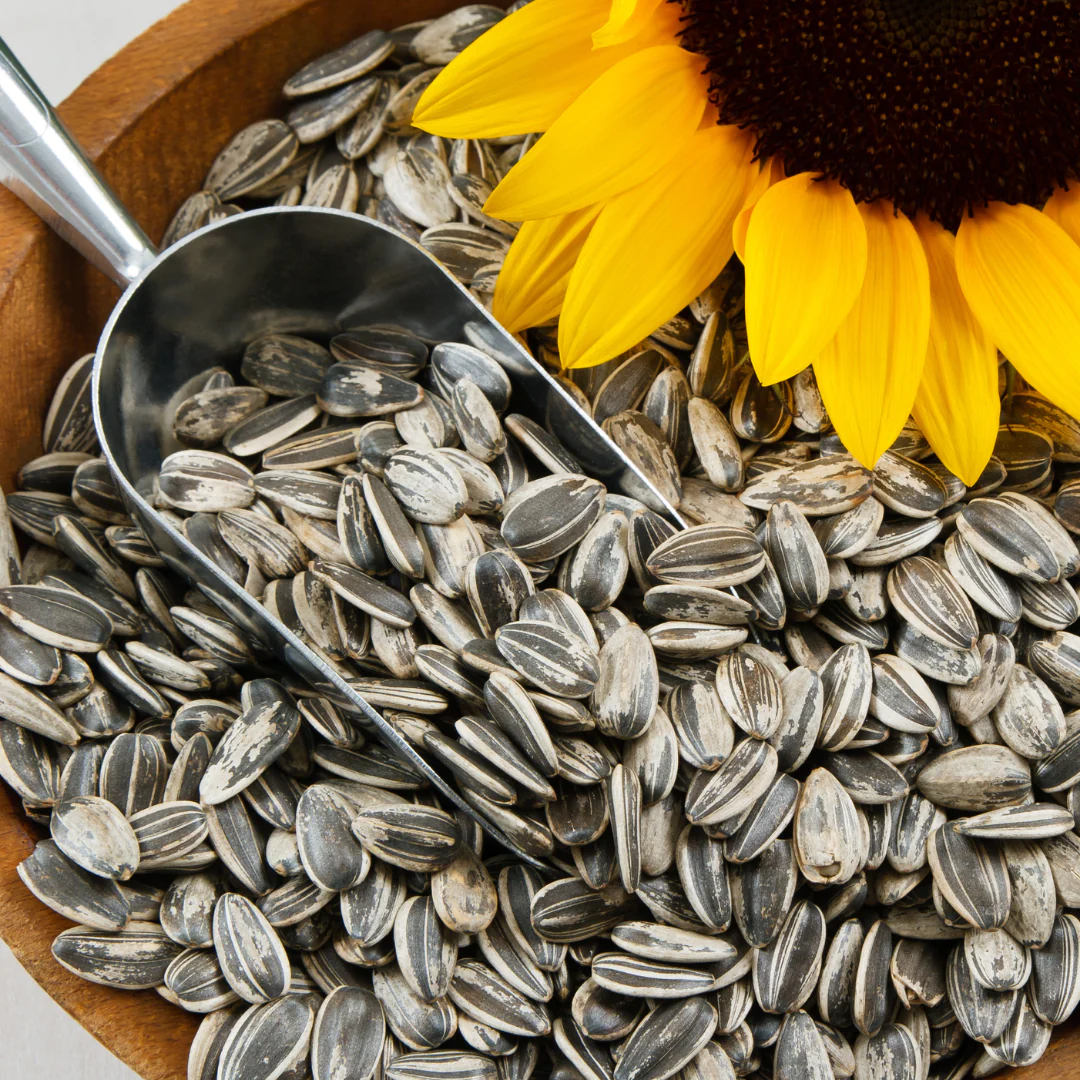
One ounce of sunflower seeds (approximately 28.35 grams) represents a discrete unit of a globally significant agricultural product, Helianthus annuus. This quantity, while seemingly small, embodies a complex chain of agronomic practices, post-harvest processing, and nutritional considerations. Within the broader edible seed market, sunflower seeds occupy a critical niche, serving as both a direct consumer snack and a vital component in oil extraction, livestock feed, and even industrial applications. From a manufacturing perspective, consistent quality control of this 1-ounce portion—assuring seed size, oil content, moisture levels, and freedom from contaminants—is paramount to maintaining brand reputation and meeting increasingly stringent food safety standards. Its performance is dictated by seed viability, oil stability during storage, and palatability, all governed by the biochemical composition inherent to the seed’s development and processing. This technical guide will comprehensively analyze the material science, manufacturing processes, performance characteristics, potential failure modes, and relevant industry standards surrounding the production and quality assurance of a standard 1-ounce serving of sunflower seeds.
Material Science & Manufacturing
Sunflower seeds are primarily composed of lipid (oil) content, ranging from 42-58% by weight, followed by protein (20-25%), carbohydrates (15-20%), and fiber (5-10%). The oil itself is rich in linoleic acid (omega-6) and oleic acid (omega-9) fatty acids. The seed coat, or hull, is composed largely of cellulose and lignin, providing structural integrity and protection. Manufacturing begins with agricultural practices optimized for maximizing oil yield and seed size. Harvesting occurs when seed moisture content reaches approximately 18-20%. Post-harvest processing involves cleaning (removal of debris), drying (reducing moisture content to 8-10% for safe storage – critical parameter control here involves temperature and airflow rates), dehulling (mechanical or chemical removal of the hull – impacting oil content and consumer preference), sizing (grading seeds by diameter using screens), and polishing. Dehulling is often followed by grading and sorting using optical sensors to eliminate discolored or damaged seeds. Nitrogen flushing during packaging minimizes oxidative degradation of the unsaturated fatty acids within the kernel. Key parameters throughout these processes include consistent temperature control to prevent rancidity, precise moisture content monitoring to inhibit fungal growth, and controlled mechanical stress during dehulling to minimize kernel damage. The raw material, the sunflower head, undergoes significant morphological changes during maturation impacting seed quality. The maturity index based on the backside of the head dictates optimal harvest timing.
Performance & Engineering
The performance of a 1-ounce serving of sunflower seeds is assessed via several key engineering principles. Firstly, shell fracture resistance is critical, as excessive breakage during processing or handling leads to seed loss and reduced product appeal. This is analyzed through impact testing, measuring the force required to crack the hull. Secondly, oil extraction efficiency – though not directly measured in the 1-ounce serving, it influences overall manufacturing yield. Engineers focus on optimizing dehulling parameters to maximize kernel recovery. Thirdly, packaging integrity is paramount. The packaging material must exhibit low oxygen transmission rate (OTR) and low water vapor transmission rate (WVTR) to prevent rancidity and maintain crispness. Barrier properties are crucial for shelf life extension. Finally, palatability—assessed through sensory panels—is linked to seed texture and oil flavor profile. Moisture content is a critical control parameter; deviations from 8-10% can significantly impact texture (causing staleness or sogginess). Compliance requirements include adherence to food safety regulations (FDA in the US, EFSA in Europe) regarding mycotoxin levels (aflatoxins, ochratoxins) and heavy metal contamination. Packaging materials must meet food-grade standards (e.g., FDA 21 CFR 177.1550 for polyethylene films).
Technical Specifications
| Parameter | Unit | Specification | Test Method |
|---|---|---|---|
| Moisture Content | % | 8.0 – 10.0 | AOAC 925.10 |
| Oil Content | % (Dry Basis) | 48.0 – 55.0 | Soxhlet Extraction (AOAC 920.39) |
| Kernel Size (Average Diameter) | mm | 10.0 – 16.0 | Sieve Analysis (ASTM E11) |
| Broken Kernel Percentage | % | < 5.0 | Visual Inspection & Weighing |
| Hull Percentage (Dehulled Seeds) | % | < 2.0 | Differential Weighing |
| Peroxide Value (Oil) | meq O2/kg | < 5.0 | AOCS Cd 8-53 |
Failure Mode & Maintenance
Sunflower seeds are susceptible to several failure modes. Rancidity, caused by oxidation of unsaturated fatty acids, is a primary concern. This manifests as off-flavors and reduced nutritional value. Preventative maintenance involves nitrogen flushing during packaging and storage in cool, dark conditions. Kernel cracking or chipping can occur during processing due to excessive mechanical stress. Careful calibration of dehulling and grading equipment is essential. Microbial contamination, particularly with molds producing mycotoxins (aflatoxins), is a significant food safety risk. Maintaining proper drying and storage conditions, alongside regular testing for mycotoxins, mitigates this risk. Insect infestation can also occur, leading to product damage and contamination. Proper sanitation practices and the use of insect traps are critical. Degradation of the seed coat can occur with prolonged storage, leading to reduced shelf life and palatability. The use of appropriate packaging materials with adequate barrier properties is crucial. To maintain product quality, regular quality control checks should be performed on each batch, including moisture content analysis, oil content determination, and sensory evaluation. Furthermore, implementing a First-In, First-Out (FIFO) inventory management system minimizes the risk of prolonged storage and subsequent degradation.
Industry FAQ
Q: What is the acceptable level of aflatoxin in a 1-ounce serving of sunflower seeds intended for human consumption?
A: The acceptable level of aflatoxin varies depending on the regulatory jurisdiction. In the United States, the FDA sets a limit of 20 parts per billion (ppb) for total aflatoxins in sunflower seeds. In the European Union, the maximum permissible level is generally 2 ppb for total aflatoxins. Exceeding these limits renders the product unsafe for consumption and subject to rejection.
Q: How does hull percentage impact the shelf life and sensory attributes of sunflower seeds?
A: A higher hull percentage generally reduces shelf life due to increased surface area exposed to oxygen, accelerating lipid oxidation and rancidity. It can also negatively impact the sensory attributes, resulting in a tougher texture and a more bitter taste. Lower hull percentages are generally preferred for snack applications.
Q: What are the key considerations when selecting packaging materials for 1-ounce sunflower seed portions?
A: Key considerations include Oxygen Transmission Rate (OTR), Water Vapor Transmission Rate (WVTR), light barrier properties, and mechanical strength. Materials such as multi-layer films with aluminum foil or metallized polyester offer excellent barrier properties. The material must also be food-grade and comply with relevant regulations (e.g., FDA 21 CFR 177.1550).
Q: What role does drying play in maintaining the quality of sunflower seeds?
A: Drying is a critical step in preventing fungal growth and enzymatic activity that can lead to spoilage. Reducing the moisture content to 8-10% inhibits these processes, extending shelf life. However, excessive drying can cause cracking and reduce oil content, so precise control of temperature and airflow is essential.
Q: How are sunflower seeds graded, and what parameters are considered during the grading process?
A: Sunflower seeds are graded based on kernel size, damage (cracked kernels, broken pieces), foreign material, and moisture content. Grading is typically performed using sieve analysis and visual inspection. Kernel size is a key factor affecting market value, with larger kernels generally preferred. Damage levels are assessed to determine overall quality and suitability for different applications.
Conclusion
The production of a consistently high-quality 1-ounce serving of sunflower seeds necessitates a deep understanding of the underlying material science, precise control over manufacturing processes, and rigorous adherence to industry standards. Maintaining optimal moisture content, minimizing oxidative degradation, and preventing microbial contamination are critical parameters impacting product safety, shelf life, and palatability. The intricate interplay between agronomic practices, post-harvest processing, and packaging technology dictates the overall performance of this seemingly simple product.
Future advancements in sunflower seed processing will likely focus on optimizing dehulling techniques to maximize kernel recovery and minimize waste, developing novel packaging materials with enhanced barrier properties, and implementing real-time monitoring systems for detecting mycotoxin contamination. A continued emphasis on quality control and adherence to evolving regulatory requirements will remain paramount to ensuring consumer safety and maintaining the reputation of sunflower seeds as a nutritious and enjoyable snack.
