Introduction
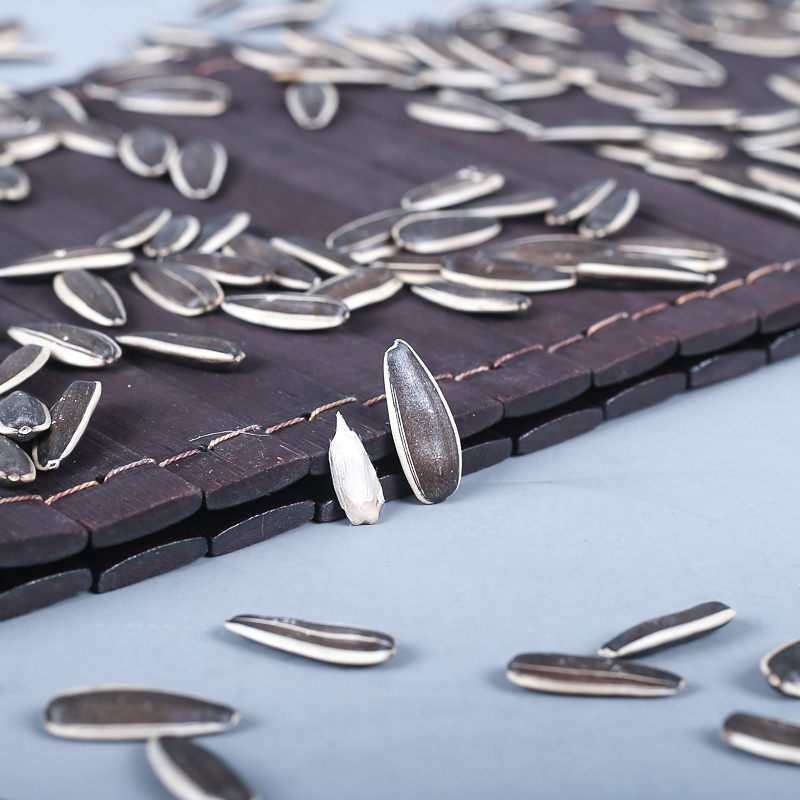
Yellow melon seeds (Cucumis melo var. reticulatus) represent a significant commodity within the agricultural and food processing industries. Suppliers operate within a complex supply chain encompassing seed breeding, agricultural cultivation, post-harvest processing, quality control, and international distribution. This guide provides a comprehensive technical overview for procurement managers, quality assurance engineers, and agricultural specialists involved with sourcing and utilizing yellow melon seeds, focusing on their inherent properties, manufacturing considerations, performance characteristics, potential failure modes, and relevant industry standards. The core performance metrics center around germination rate, genetic purity, seed vigor, and resistance to common seed-borne diseases. A key industry pain point lies in maintaining consistent seed quality across different growing seasons and geographical regions, influenced by variables such as climate change, seed storage conditions, and the prevalence of evolving pathogen strains. Suppliers are challenged to deliver seeds that guarantee predictable yields and meet increasingly stringent food safety regulations.
Material Science & Manufacturing
The primary raw material, the yellow melon seed, is composed of three main components: the embryo (the developing plant), the endosperm (the nutrient reserve), and the seed coat (protective outer layer). The seed coat is comprised primarily of cellulose, hemicellulose, and lignin, contributing to its physical durability and barrier properties. The embryo contains lipids, proteins, and carbohydrates crucial for germination and initial seedling development. Manufacturing commences with controlled pollination of selected melon cultivars to ensure genetic uniformity. Following maturation, seeds undergo harvesting, cleaning, drying, and sizing processes. Drying is critical; moisture content must be reduced to approximately 7-8% to ensure long-term viability. This is typically achieved using controlled-temperature air drying systems. Sizing is performed using mechanical graders to separate seeds based on size and weight, removing immature or damaged seeds. Further processing may involve seed coating with protective polymers or fungicides to enhance germination rates and protect against soil-borne pathogens. Parameter control during drying is paramount; excessively high temperatures degrade protein structures, reducing germination rates. Monitoring and maintaining optimal humidity levels prevents cracking of the seed coat. Seed coating formulations require precise control of polymer viscosity and fungicide concentration to ensure even coverage and avoid phytotoxicity.
Performance & Engineering
Seed performance is evaluated through several key engineering parameters. Germination rate, typically expressed as a percentage, is the most critical. This is heavily influenced by seed vigor, which encompasses the seed's ability to establish a strong, healthy seedling. Force analysis is applied to assess seed coat strength, crucial for withstanding mechanical stresses during handling and planting. Environmental resistance, specifically tolerance to temperature fluctuations and humidity variations during storage, dictates shelf life. Seed suppliers must demonstrate compliance with phytosanitary regulations to prevent the spread of invasive species or plant diseases. Functional implementation involves considering the seed's compatibility with various planting methods – direct seeding, transplant production, and precision planting technologies. Seed size and shape influence metering accuracy in automated planting equipment. Compatibility of seed coatings with soil chemistry and microbial activity is also a consideration. A key engineering challenge is minimizing seed dormancy, which can delay or inhibit germination. This often involves applying stratification techniques (controlled cold treatment) to break dormancy. Furthermore, ensuring uniform seed size distribution optimizes planting depth consistency and seedling emergence rates.
Technical Specifications
| Germination Rate (%) | Seed Moisture Content (%) | Genetic Purity (%) | 1000-Seed Weight (g) |
|---|---|---|---|
| ≥ 85 | 7.0 - 8.5 | ≥ 98 | 18-22 |
| ≥ 90 (Premium Grade) | ≤ 7.5 | ≥ 99 | 20-24 |
| ≥ 80 (Standard Grade) | 8.0 - 9.0 | ≥ 95 | 16-20 |
| ≥ 75 (Processing Grade) | 9.0 - 10.0 | ≥ 90 | 14-18 |
| Varietal Specific (Certified Seed) | 7.0 - 8.0 | ≥ 99.5 | Varietal Specific |
| Resistance to Fusarium Wilt (Race 0, 1, 2) | N/A | N/A | N/A |
Failure Mode & Maintenance
Common failure modes include low germination rates due to improper storage (high temperature or humidity), mechanical damage during handling, and seed-borne diseases. Physiological deterioration, characterized by reduced seed vigor and impaired embryo development, occurs over time. Cracking of the seed coat, often caused by rapid drying or impact, compromises seed viability. Fungal infections, such as Fusarium or Alternaria, can lead to seed rot and seedling damping-off. Maintenance involves strict adherence to recommended storage conditions: cool (4-10°C), dry (≤ 60% relative humidity), and dark. Regular monitoring of seed stock for signs of fungal growth or insect infestation is crucial. Implementing a "first-in, first-out" inventory system minimizes storage time. Seed coating formulations should be periodically evaluated for their efficacy in preventing fungal infections. For long-term storage, vacuum packaging or controlled atmosphere storage (reducing oxygen levels) can extend shelf life. Failure analysis often involves microscopic examination of seed structures to identify damage or infection, coupled with germination tests to assess viability. Preventive maintenance includes seed treatment with fungicides and insecticides approved for use on melon seeds.
Industry FAQ
Q: What is the acceptable tolerance for genetic purity in a large-scale commercial seed order?
A: Typically, a genetic purity of ≥ 98% is considered acceptable for standard commercial orders. However, for certified seed orders, a higher purity level of ≥ 99.5% is usually required to meet regulatory standards and ensure consistent crop characteristics. Lower purity levels can result in off-type fruits, impacting yield and market value.
Q: How do you ensure consistent germination rates across different seed lots produced at varying times of the year?
A: We implement a rigorous quality control program that includes standardized germination testing for each seed lot, conducted under controlled environmental conditions. Statistical process control (SPC) is used to monitor germination rates over time, identifying and addressing any deviations from established targets. Seed lots are blended to achieve a uniform germination rate before packaging.
Q: What seed treatments are commonly used to protect against seed-borne diseases, and are these treatments compatible with organic farming practices?
A: Common seed treatments include fungicides based on compounds like thiram, captan, or fludioxonil. For organic farming, we offer seed treatments using bio-fungicides derived from Trichoderma species or Bacillus subtilis, which provide effective disease control without synthetic chemicals. Certification documentation is provided for organic-compliant treatments.
Q: What is the recommended storage life for yellow melon seeds under optimal conditions, and how is this determined?
A: Under optimal storage conditions (4-10°C, ≤ 60% RH, dark), yellow melon seeds generally maintain viable germination rates for 3-5 years. Storage life is determined through accelerated aging tests, where seeds are exposed to elevated temperatures and humidity levels to simulate long-term storage. Germination rates are then monitored over time to predict shelf life.
Q: Can you provide data on the seed vigor of your yellow melon seeds compared to industry averages?
A: We conduct seedling vigor tests, including root length and shoot length measurements, to assess seed vigor. Our seeds consistently demonstrate superior vigor compared to industry averages, resulting in faster emergence rates and stronger seedling establishment. Detailed test results are available upon request.
Conclusion
The quality and performance of yellow melon seeds are critical determinants of agricultural productivity and profitability. Understanding the underlying material science, manufacturing processes, and performance characteristics is essential for procurement professionals and growers alike. Maintaining consistent seed quality requires rigorous quality control measures throughout the entire supply chain, from seed breeding to storage and distribution. Addressing the challenges associated with seed-borne diseases, environmental stress, and genetic purity is paramount.
Looking ahead, advancements in seed coating technologies, precision planting techniques, and genomic selection will further enhance seed performance and improve crop yields. Adherence to international standards and best practices in seed production and handling will remain crucial for ensuring a sustainable and reliable supply of high-quality yellow melon seeds. Focusing on these areas will be instrumental in mitigating risks and maximizing returns for all stakeholders in the industry.
