Introduction
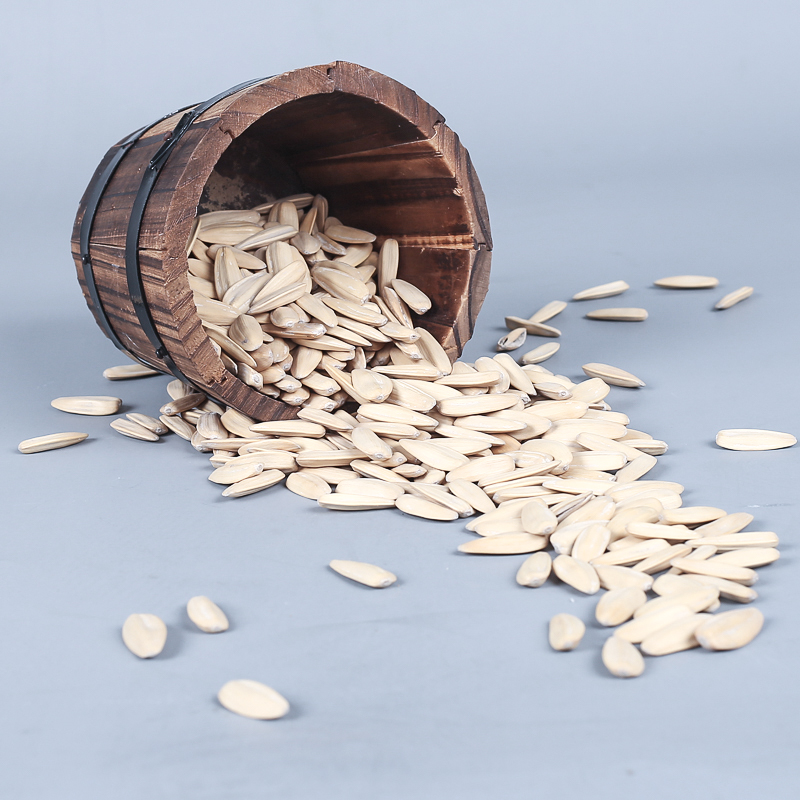
Yellow melon seeds, Cucumis melo var. reticulatus, represent a significant agricultural commodity primarily utilized for edible oil production, snack foods, and increasingly, in nutraceutical applications. This guide provides a comprehensive technical overview for B2B procurement and quality control within the yellow melon seed supply chain. Positioned between agricultural production and downstream processing (oil extraction, food manufacturing, pharmaceutical ingredient isolation), the quality and characteristics of the seeds directly impact yield, oil quality, and final product attributes. Core performance metrics include oil content, protein content, moisture levels, germination rates (for seed propagation), and the absence of contaminants like aflatoxins and pesticide residues. The industry currently faces challenges related to consistency in seed quality due to variable growing conditions, effective aflatoxin mitigation strategies, and adherence to increasingly stringent international food safety standards. This document will detail these critical aspects, offering insight into material science, manufacturing processes, performance characteristics, and potential failure modes associated with yellow melon seeds.
Material Science & Manufacturing
Yellow melon seeds are primarily composed of lipids (30-50% by weight), proteins (20-30%), carbohydrates (10-20%), and moisture (5-10%). The lipid fraction largely consists of linoleic acid, oleic acid, and palmitic acid, contributing to the seed’s oil yield and nutritional profile. The seed coat, or testa, is a key protective layer composed of cellulose, hemicellulose, and lignin, providing structural integrity. Manufacturing begins with agricultural cultivation, highly susceptible to environmental factors like soil composition, rainfall, and temperature. Harvesting techniques—manual versus mechanical—impact seed damage and impurity levels. Post-harvest processing involves cleaning (removal of debris, stems, and damaged seeds), drying (crucial for preventing mold growth and preserving oil quality, typically utilizing forced-air drying to reduce moisture content to 7-9%), and grading based on size and visual quality. Critical parameter control during drying includes temperature (maintained below 45°C to avoid lipid oxidation) and airflow rate. Aflatoxin contamination is a major concern; proper drying and storage are paramount. Seed cracking and de-hulling (removal of the outer shell) are employed depending on the intended end-use. Oil extraction processes include mechanical pressing (cold-pressing vs. hot-pressing) and solvent extraction (typically using hexane), each influencing oil quality and yield. The integrity of the seed coat impacts the efficiency of oil extraction and the purity of the resulting oil. Storage conditions (temperature, humidity, and oxygen exposure) are vital for maintaining seed viability and preventing rancidity.
Performance & Engineering
Performance evaluation of yellow melon seeds centers on oil yield, oil quality (acid value, peroxide value, iodine value, fatty acid profile), germination rate (for seed propagation), and levels of contaminants. Oil yield is directly correlated to seed density and lipid content; higher density typically indicates greater oil reserves. Oil quality is assessed based on established standards (discussed in Section 7). Germination rate is a critical parameter for seed suppliers offering seeds for replanting, and is affected by seed viability, moisture content, and storage conditions. Force analysis pertaining to seed cracking reveals the compressive strength of the seed coat, influencing the efficiency of de-hulling operations. Environmental resistance is primarily linked to the seed coat’s ability to withstand physical damage during handling and storage. Compliance requirements relate to food safety standards (aflatoxin levels, pesticide residue limits) and labeling regulations. Functional implementation, from a processing perspective, involves optimizing seed preparation for oil extraction – appropriate cracking size, moisture content control, and temperature management during pressing or solvent extraction. The presence of hull fragments impacts filtration efficiency and oil clarity. Proper seed storage in hermetically sealed containers under controlled temperature and humidity is essential for maintaining seed quality and minimizing degradation. Moisture ingress can promote mold growth and aflatoxin production, creating significant safety risks.
Technical Specifications
| Parameter | Unit | Typical Value | Acceptable Range |
|---|---|---|---|
| Oil Content | % (Dry Weight Basis) | 40 | 35-45 |
| Protein Content | % (Dry Weight Basis) | 25 | 20-30 |
| Moisture Content | % | 7 | 6-9 |
| Aflatoxin B1 | ppb | <2 | <20 (Regulatory Limit) |
| Germination Rate (for seed) | % | 85 | >70 |
| Acid Value (Oil) | mg KOH/g | 0.5 | <1.0 |
Failure Mode & Maintenance
Common failure modes for yellow melon seeds include: 1) Aflatoxin Contamination: Caused by Aspergillus flavus and Aspergillus parasiticus fungi, primarily during improper drying and storage. Mitigation involves strict moisture control, proper sanitation, and potentially, the use of antifungal treatments. 2) Lipid Oxidation/Rancidity: Results from exposure to oxygen, light, and elevated temperatures, leading to off-flavors and reduced oil quality. Prevention requires storage in airtight containers, under nitrogen atmosphere, and away from direct sunlight. 3) Physical Damage/Cracking: Occurs during harvesting, handling, and processing, reducing seed viability and oil yield. Gentle handling practices and appropriate equipment design are crucial. 4) Insect Infestation: Attracts pests that can damage seeds and introduce contaminants. Proper storage and pest control measures are necessary. 5) Germination Failure (for seed): Can be due to low seed viability, improper storage, or unfavorable germination conditions. Maintenance involves maintaining optimal storage conditions (low temperature, low humidity) and implementing quality control checks for germination rate. Regular inspection for signs of mold, insect infestation, and physical damage is essential. Temperature and humidity monitoring during storage are critical. Routine aflatoxin testing should be performed to ensure compliance with safety standards. Employing a FIFO (First-In, First-Out) inventory management system minimizes storage time and reduces the risk of degradation.
Industry FAQ
Q: What is the primary driver for variation in oil content across different yellow melon seed batches?
A: The primary driver is genetic variation between melon cultivars, combined with environmental factors during cultivation. Soil nutrient levels, water availability, and temperature fluctuations during seed development significantly influence lipid accumulation within the seeds. Furthermore, maturity at harvest impacts oil content; seeds harvested too early or too late may exhibit lower oil yields.
Q: How does the seed drying process specifically impact aflatoxin risk?
A: Inadequate or slow drying creates a conducive environment for Aspergillus fungal growth, which produces aflatoxins. If seeds remain at moisture levels above 10% for an extended period, the risk of aflatoxin contamination dramatically increases. Rapid and thorough drying to 7-9% moisture content, combined with proper aeration, inhibits fungal growth and minimizes aflatoxin formation.
Q: What are the key considerations when selecting between mechanical pressing and solvent extraction for oil production?
A: Mechanical pressing (cold-pressing) retains more of the natural flavor and aroma compounds but typically yields lower oil extraction rates. It's preferable for high-value oils. Solvent extraction (hexane) achieves higher oil yields but requires careful solvent removal to meet food safety standards and may alter the oil's composition. Solvent extracted oil often requires further refining.
Q: What are the acceptable levels of pesticide residues typically specified in B2B contracts for yellow melon seeds?
A: Acceptable levels are determined by destination country regulations and contract specifications. Generally, pesticide residue levels must comply with Maximum Residue Limits (MRLs) established by organizations like the Codex Alimentarius Commission, the US EPA, and the EU. Detailed residue analysis reports are typically required as part of the procurement process.
Q: How is seed viability assessed and what parameters are critical for maintaining high germination rates during storage?
A: Seed viability is assessed through germination tests under controlled laboratory conditions. Critical parameters for maintaining high germination rates during storage include low temperature (below 10°C), low humidity (below 60%), and airtight packaging to prevent moisture absorption. Periodic germination testing during storage is recommended to monitor seed viability.
Conclusion
Yellow melon seed quality is a complex interplay of genetics, agronomic practices, post-harvest processing, and storage conditions. Consistent adherence to established standards for moisture content, aflatoxin control, and oil quality is paramount for ensuring a reliable supply of high-quality seeds for downstream processing. Optimizing the drying process and implementing robust storage protocols are essential mitigation strategies against degradation and contamination.
Future advancements in seed breeding programs focused on enhanced oil content, improved resistance to fungal infections, and increased drought tolerance will further enhance the value of yellow melon seeds. Continued investment in analytical technologies for rapid and accurate aflatoxin detection and pesticide residue analysis will be critical for maintaining food safety and meeting increasingly stringent regulatory requirements. Collaborative efforts between agricultural producers, processors, and regulatory agencies are necessary to establish and enforce industry best practices.
