Introduction
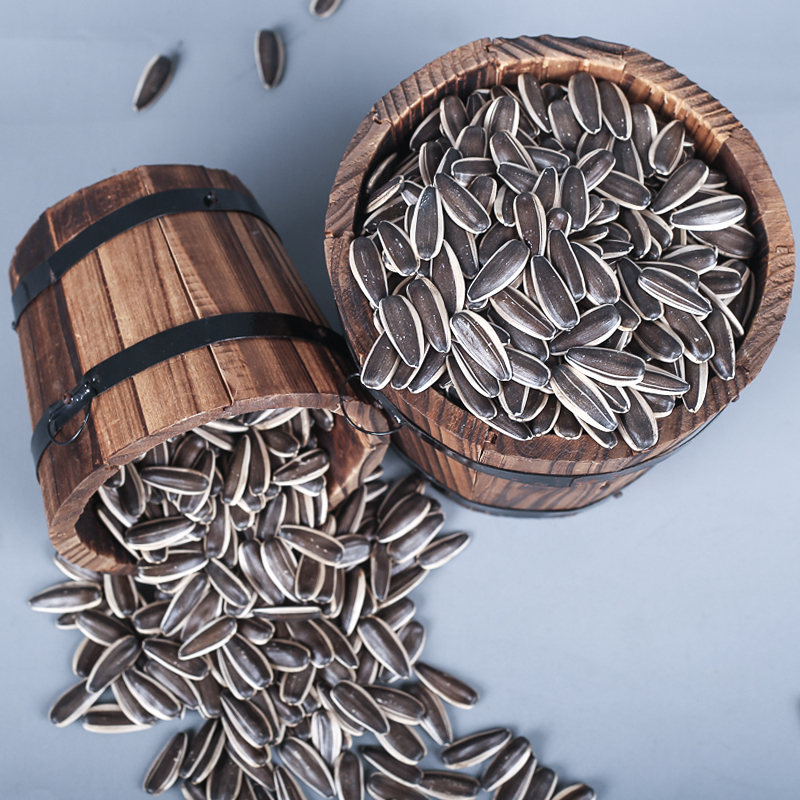
Yellow melon seeds (Cucumis melo var. flexuosus) represent a significant segment within the global seed and snack food industry. Positioned downstream from agricultural production and seed breeding programs, these seeds are primarily processed for direct human consumption as a nutritious snack. Their technical relevance stems from a complex interplay of biological factors influencing seed quality (oil content, protein profile, germination rate), coupled with processing parameters (roasting, seasoning) that define final product characteristics and shelf life. Core performance indicators include oil content (typically 45-55%), protein content (around 25-30%), moisture content (maintained below 5% for stability), and the presence of key fatty acids (linoleic, oleic). The industry currently faces challenges related to maintaining consistent seed quality across varying growing conditions, optimizing roasting processes to minimize acrylamide formation, and ensuring product safety through effective microbial control.
Material Science & Manufacturing
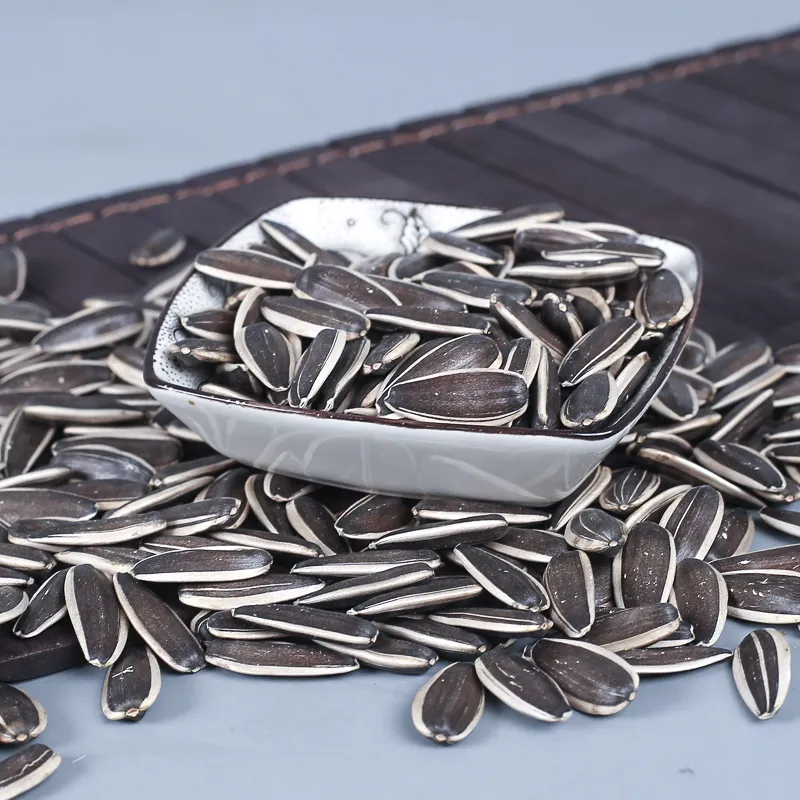
The raw material, yellow melon seeds, are biologically complex, consisting of an embryo, endosperm (oil and protein storage tissue), and seed coat (protective outer layer). Chemically, the seed's oil is primarily composed of triglycerides with varying fatty acid compositions. The seed coat is comprised of cellulose, hemicellulose, and lignin, providing structural integrity and a barrier to moisture. Manufacturing begins with harvesting mature melons, seed extraction, cleaning, drying (typically to 8-10% moisture content), and grading. Roasting is a critical thermal processing step, employing temperatures between 120-160°C. This process develops flavor and texture, reduces moisture, and inactivates enzymes. Key parameters include roasting time, temperature control (uniformity is crucial), and airflow. Seasoning involves applying salt, spices, and flavor enhancers through tumbling or spraying. Packaging employs barrier materials (e.g., multi-layer films containing polyethylene, aluminum foil, and polypropylene) to minimize oxygen and moisture ingress. Parameter control during drying is paramount; excessive heat degrades oil quality (rancidity), while insufficient drying promotes fungal growth. Seed coat integrity is also crucial, impacting oil retention and minimizing off-flavors during roasting.
Performance & Engineering
Engineering considerations for yellow melon seed processing involve force analysis related to seed cracking during shelling (impact force, fracture mechanics), and airflow dynamics within roasting equipment (heat transfer coefficients, residence time distribution). Environmental resistance focuses on maintaining product quality during storage and transportation. Moisture content is the primary driver of stability; high moisture leads to lipid oxidation and microbial spoilage. Packaging materials must exhibit low oxygen transmission rates (OTR < 1 cc/m²/day) and low water vapor transmission rates (WVTR < 3 g/m²/day). Compliance requirements include food safety regulations (HACCP, GMP), labeling requirements (nutritional information, allergen declarations), and potentially organic certification (if applicable). Functional implementation involves optimizing roasting profiles to achieve desired flavor and texture characteristics, minimizing acrylamide formation (a potential carcinogen), and ensuring consistent seasoning distribution. The structural integrity of the seed coat also plays a vital role in preventing oil leakage and maintaining a pleasant textural experience.
Technical Specifications
| Parameter | Unit | Typical Range | Testing Method |
|---|---|---|---|
| Oil Content | % (by weight) | 45-55 | Soxhlet Extraction (AOAC 920.39) |
| Protein Content | % (by weight) | 25-30 | Kjeldahl Method (AOAC 920.87) |
| Moisture Content | % (by weight) | <5 | Oven Drying (AOAC 925.10) |
| Acidity Value | mg KOH/g | <2.0 | Titration (AOCS Cd 3-63) |
| Peroxide Value | meq O2/kg | <5.0 | Titration (AOCS Cd 8-53) |
| Aw (Water Activity) | - | <0.6 | Water Activity Meter (ASTM E337) |
Failure Mode & Maintenance
Failure modes in yellow melon seed products primarily relate to quality degradation. Rancidity, caused by lipid oxidation, is a common issue, resulting in off-flavors and reduced shelf life. This is accelerated by exposure to oxygen, light, and high temperatures. Seed coat cracking during processing or handling can lead to oil leakage and textural defects. Microbial contamination (mold growth) is a significant concern, particularly if moisture content is not adequately controlled. Acrylamide formation during roasting is a chemical failure mode, posing a potential health risk. Maintenance strategies include implementing strict quality control measures throughout the production process, utilizing appropriate packaging materials with excellent barrier properties, controlling roasting temperatures and times, and maintaining proper storage conditions (cool, dry, dark). Regular monitoring of oil quality parameters (acidity value, peroxide value) is essential. Preventative maintenance of roasting equipment ensures uniform heat distribution and minimizes the risk of overheating. Proper cleaning and sanitation protocols are crucial to prevent microbial contamination. Storage facilities should be monitored for temperature and humidity levels, and seeds should be rotated on a first-in, first-out basis.
Industry FAQ
Q: What are the primary factors affecting the shelf life of roasted yellow melon seeds?
A: Shelf life is primarily determined by moisture content, oil quality (lipid oxidation), and packaging integrity. High moisture promotes microbial growth and accelerates rancidity. Exposure to oxygen and light degrades the oil, leading to off-flavors. Packaging materials with low OTR and WVTR are essential for extending shelf life. Proper storage conditions—cool, dry, and dark—are also critical.
Q: How can acrylamide formation be minimized during the roasting process?
A: Acrylamide formation is influenced by roasting temperature, time, and the concentration of reducing sugars (glucose and fructose) in the seeds. Lower roasting temperatures (within the acceptable flavor development range), shorter roasting times, and careful control of pre-roasting seed preparation (potentially reducing sugar content) can help minimize acrylamide levels. Optimizing airflow can also contribute to more even heating and reduced acrylamide formation.
Q: What is the significance of the water activity (Aw) value?
A: Water activity (Aw) is a measure of the unbound water in a product, which is available for microbial growth and chemical reactions. Maintaining a low Aw (<0.6) inhibits the growth of most spoilage microorganisms, ensuring product safety and extending shelf life. It's a more accurate indicator of microbial stability than moisture content alone.
Q: What quality control measures are essential for ensuring consistent oil content in the final product?
A: Consistent oil content requires careful selection of seed varieties with high oil yields, proper harvesting and drying practices, and rigorous quality control checks at each stage of processing. Regular oil content analysis using Soxhlet extraction is crucial. Monitoring the moisture content of seeds before roasting is also important, as it can impact oil yield.
Q: What packaging materials are best suited for yellow melon seeds, and why?
A: Multi-layer films incorporating polyethylene (PE) for sealing, aluminum foil for a superior oxygen barrier, and polypropylene (PP) for strength and printability are commonly used. The aluminum foil layer is critical for preventing oxidation and maintaining flavor. The PE layer provides a heat-sealable surface for packaging. WVTR should be minimized to maintain low moisture content. Modified atmosphere packaging (MAP) with nitrogen flushing can further enhance shelf life.
Conclusion
Yellow melon seed processing represents a complex interplay of biological, chemical, and engineering principles. Maintaining consistent product quality requires meticulous control over all stages, from seed selection and harvesting to roasting, seasoning, and packaging. Understanding the factors influencing oil stability, microbial growth, and acrylamide formation is paramount to delivering a safe, palatable, and shelf-stable product. Adherence to stringent quality control measures and compliance with relevant food safety regulations are non-negotiable.
Future trends in the industry likely will focus on optimizing roasting processes for reduced acrylamide formation, exploring novel packaging materials with enhanced barrier properties and sustainability profiles, and developing new flavor profiles to meet evolving consumer preferences. The implementation of advanced monitoring technologies, such as near-infrared spectroscopy for rapid oil content analysis, will also contribute to improved process control and product consistency. Ultimately, a strong foundation in material science and engineering principles is crucial for success in this competitive market.
