Introduction
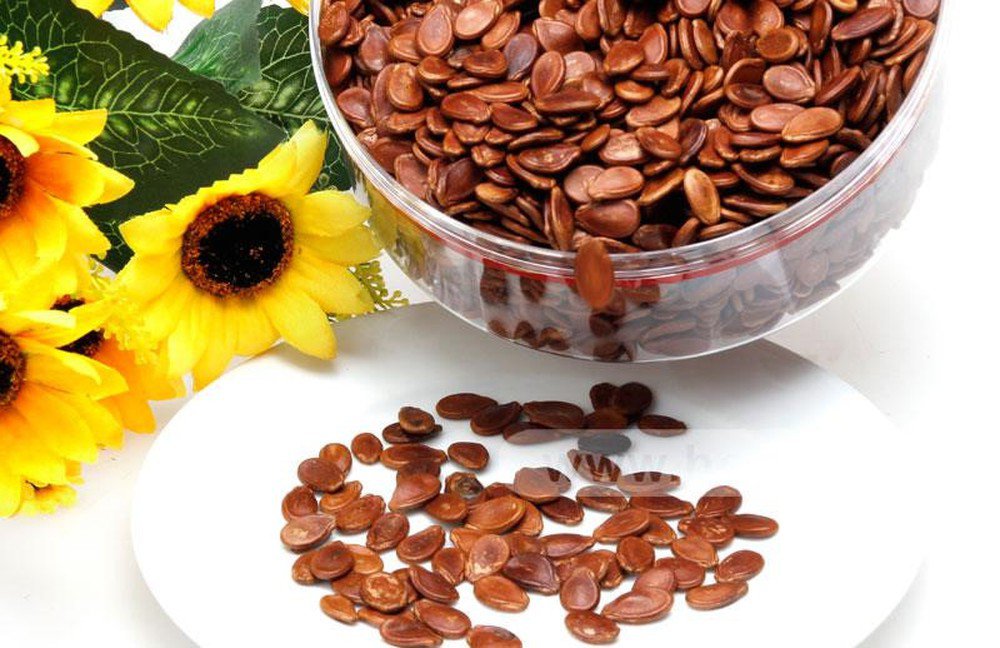
Yellow melon seeds (Cucumis melo var. reticulatus) represent a significant agricultural commodity with a long history of cultivation and consumption globally. Positioned within the cucurbit family, these seeds are primarily valued for their oil content, nutritional profile, and potential applications in food processing, animal feed, and increasingly, in bio-based industrial materials. Technically, they fall under the broader classification of oilseeds, requiring specific processing techniques – shelling, drying, and oil extraction – to realize their commercial value. Core performance characteristics revolve around oil yield, protein content, fatty acid composition, and the absence of anti-nutritional factors. The industry faces challenges regarding seed quality consistency, efficient oil extraction methods, and optimization of by-product utilization to enhance overall economic viability.
Material Science & Manufacturing
The primary raw material, the yellow melon seed, is composed of a robust seed coat (testa) – approximately 20-30% of the seed mass – providing physical protection. Internally, the cotyledons constitute the bulk of the seed, containing 40-60% oil, 20-30% protein, and 10-15% carbohydrates. The chemical composition of the oil is predominantly linoleic acid (omega-6), oleic acid (omega-9), and palmitic acid. Manufacturing begins with harvesting mature melons and separating the seeds. Crucially, seed maturity significantly impacts oil yield; seeds harvested too early exhibit lower oil content. The subsequent drying process, typically employing sun-drying or controlled-temperature drying (40-60°C), reduces moisture content to 8-10% to prevent mold growth and maintain oil quality. Shelling is often mechanical, utilizing impact or abrasion principles. Parameter control during drying is paramount – excessively high temperatures can denature proteins and reduce oil quality. Oil extraction is commonly achieved through mechanical pressing (expeller pressing) or solvent extraction (using hexane). Expeller pressing yields a lower oil yield but produces a higher quality oil, while solvent extraction maximizes yield but requires rigorous solvent removal to meet food-grade standards. Post-extraction, oil refining – degumming, neutralization, bleaching, and deodorization – removes impurities and enhances stability.
Performance & Engineering
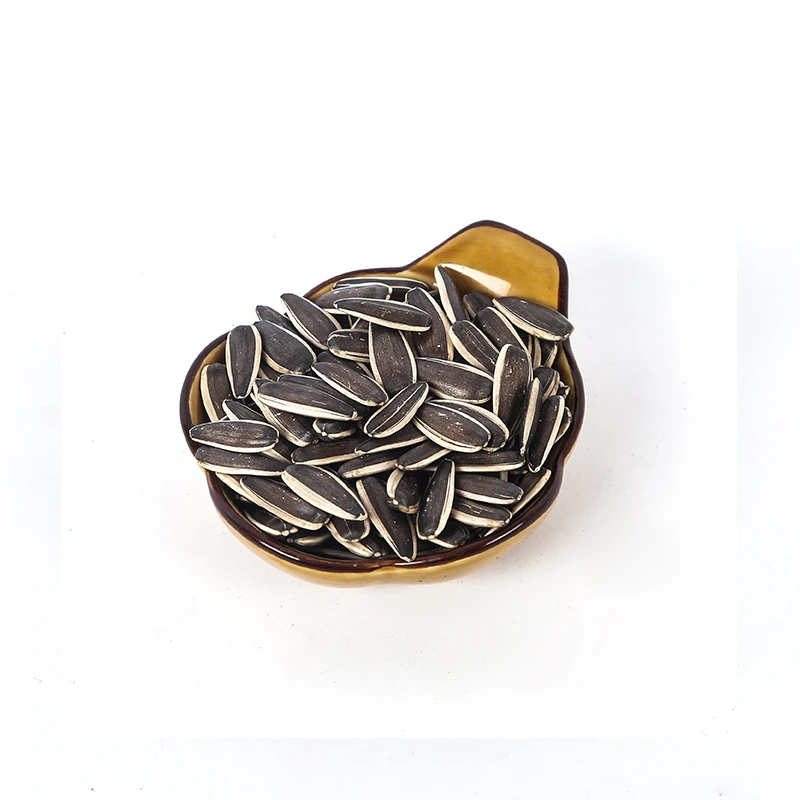
The performance of yellow melon seed oil is intrinsically linked to its fatty acid profile. Linoleic acid content contributes to oxidative stability, a critical factor during storage and high-temperature applications. Engineering considerations revolve around designing efficient oil extraction systems minimizing oil loss and energy consumption. Force analysis during pressing operations is crucial to optimize pressure and maximize oil yield without damaging the seed structure. Environmental resistance concerns focus on preventing rancidity due to oxidation, necessitating the addition of antioxidants (e.g., tocopherols) or nitrogen flushing during storage. Compliance requirements vary by region, but typically include adherence to food safety regulations (e.g., HACCP), solvent residue limits (e.g., specified by the Food and Drug Administration), and labeling standards. Furthermore, the mechanical properties of the seed coat – tensile strength and fracture toughness – influence the efficiency of the shelling process, dictating the optimal design of shelling machinery. The design of storage facilities must account for temperature and humidity control to prevent fungal contamination and preserve oil quality. The application of principles of mass transfer is essential for optimizing solvent extraction efficiency.
Technical Specifications
| Parameter | Unit | Typical Value (Range) | Test Method |
|---|---|---|---|
| Oil Content | % (by weight) | 40-60 | AOAC 920.39 |
| Moisture Content | % (by weight) | 8-10 (after drying) | AOAC 925.10 |
| Protein Content | % (by weight) | 20-30 | Kjeldahl Method (AOAC 920.87) |
| Linoleic Acid (C18:2) | % (of total fatty acids) | 50-70 | Gas Chromatography (AOCS Cd 14-90) |
| Oleic Acid (C18:1) | % (of total fatty acids) | 15-30 | Gas Chromatography (AOCS Cd 14-90) |
| Peroxide Value | meq O2/kg | <5 (fresh oil) | AOCS Cd 8-53 |
Failure Mode & Maintenance
Failure modes in yellow melon seed oil processing encompass several areas. Rancidity, caused by lipid oxidation, is a primary concern. This is accelerated by exposure to light, heat, and oxygen. Preventive maintenance includes storing oil in dark, airtight containers and adding antioxidants. Mechanical failures in shelling equipment, such as impeller breakage or screen damage, can reduce efficiency and contaminate the seeds. Regular inspection and replacement of worn parts are essential. Solvent residues exceeding permissible limits constitute a critical failure mode in solvent extraction. Diligent solvent recovery and monitoring using gas chromatography are vital. Fatigue cracking in pressing equipment, especially the screw expeller, can occur under sustained high loads. Periodic stress testing and component replacement mitigate this risk. Delamination of the seed coat during drying, if drying is too rapid, can lead to reduced oil yield. Proper temperature and airflow control during drying are crucial. Finally, microbial contamination, particularly fungal growth due to inadequate drying or storage, renders the seeds unusable and requires implementation of robust sanitation protocols.
Industry FAQ
Q: What are the key differences between cold-pressed and solvent-extracted yellow melon seed oil, and how do these differences impact their applications?
A: Cold-pressed oil retains more of the natural tocopherols and other micronutrients, resulting in a superior flavor and aroma profile and potentially greater nutritional value. However, it has a lower yield. Solvent-extracted oil, while having a higher yield and often a lower cost, may contain residual solvent traces and undergoes more processing, potentially affecting its flavor and nutritional content. Cold-pressed oil is preferred for culinary applications where flavor is paramount, while solvent-extracted oil is often used in industrial applications where cost is a primary driver.
Q: How does seed variety affect the oil yield and fatty acid composition of yellow melon seed oil?
A: Seed variety is a significant determinant of both oil yield and fatty acid composition. Different cultivars exhibit variations in oil content, with some specifically bred for higher oil production. Furthermore, the ratio of linoleic to oleic acid can vary significantly between varieties, influencing the oil's stability and suitability for different applications. Breeders are actively working to develop varieties with improved oil quality and yield characteristics.
Q: What are the primary methods for preventing rancidity in stored yellow melon seed oil?
A: Preventing rancidity involves minimizing exposure to oxygen, light, and heat. Storage in dark, airtight containers under cool temperatures (below 20°C) is essential. The addition of natural antioxidants, such as tocopherols or rosemary extract, can further inhibit oxidation. Nitrogen flushing of storage containers can displace oxygen, extending shelf life. Regular monitoring of peroxide value is crucial for detecting the onset of rancidity.
Q: What are the environmental considerations associated with solvent extraction of yellow melon seed oil?
A: Solvent extraction using hexane presents environmental challenges related to volatile organic compound (VOC) emissions and the potential for soil and water contamination. Implementing closed-loop solvent recovery systems is critical to minimize emissions and ensure responsible solvent management. Proper disposal of spent solvents and adherence to environmental regulations are essential. Alternatives to hexane, such as supercritical carbon dioxide extraction, are being explored, though they may be more costly.
Q: What are the current trends in utilizing yellow melon seed by-products (seed cake) after oil extraction?
A: The seed cake, remaining after oil extraction, is increasingly being recognized as a valuable by-product. It is used as a protein-rich animal feed supplement, particularly for livestock. Research is underway exploring its potential as a source of bio-based polymers and biodegradable plastics. The seed cake can also be incorporated into compost, improving soil fertility. Utilizing these by-products improves the overall sustainability and economic viability of yellow melon seed oil production.
Conclusion
Yellow melon seed oil represents a valuable agricultural commodity, demanding rigorous control over material science and manufacturing processes to maximize oil yield, maintain quality, and address industry challenges. Understanding the interplay between seed variety, processing techniques, and storage conditions is paramount for producing a stable, high-quality oil suitable for diverse applications. Addressing failure modes through preventive maintenance and adherence to stringent quality control protocols is essential for ensuring product integrity and minimizing economic losses.
Future advancements will likely focus on optimizing solvent-free extraction methods, developing novel antioxidant formulations, and expanding the utilization of seed cake by-products. Continued research into breeding programs aimed at enhancing oil content and improving fatty acid profiles will further enhance the competitiveness of yellow melon seed oil in the global market. Sustainable and environmentally responsible processing practices will become increasingly important, driving innovation in extraction and refining technologies.
