Introduction
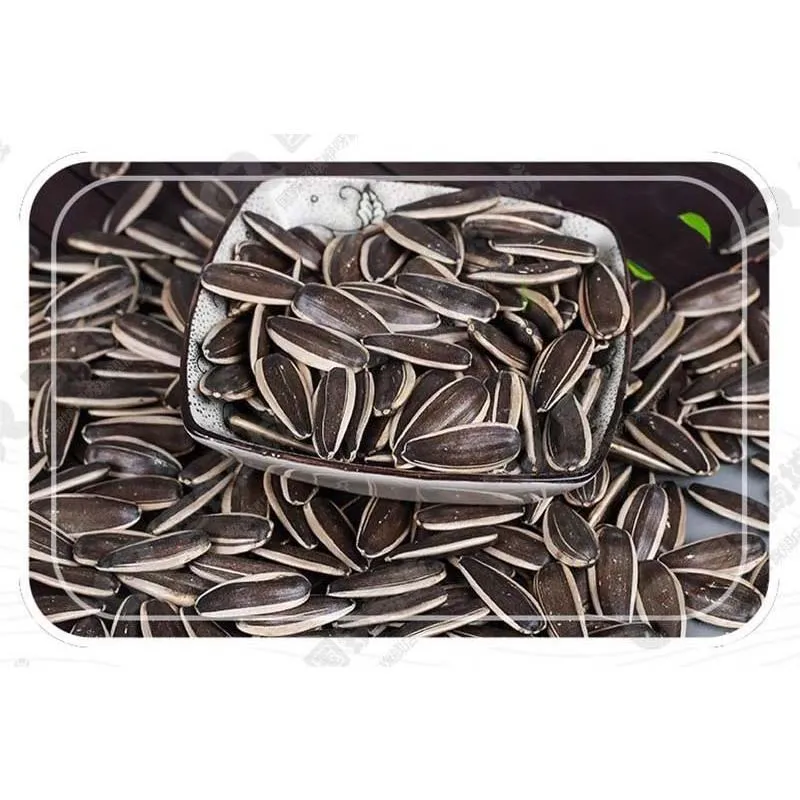
Yellow melon seeds (Cucumis melo var. reticulatus) represent a significant agricultural commodity, primarily consumed as a snack food across Asia and increasingly gaining traction in Western markets. The manufacturing process, encompassing seed selection, cleaning, grading, roasting, and flavoring, is critical to ensuring product quality, palatability, and shelf-life. This guide provides a comprehensive technical overview for manufacturers of yellow melon seeds, addressing material science, production methodologies, performance considerations, failure analysis, and adherence to relevant industry standards. Core industry pain points revolve around maintaining consistent seed quality, optimizing roasting profiles for flavor development without inducing lipid oxidation, and ensuring compliance with stringent food safety regulations. Achieving optimal moisture content and preventing microbial growth are also key challenges. This document aims to address these concerns through detailed technical insights.
Material Science & Manufacturing
Yellow melon seeds are comprised primarily of lipids (40-50% by weight), proteins (20-25%), carbohydrates (10-15%), and moisture (typically 5-8% post-processing). The lipid profile consists largely of unsaturated fatty acids, including linoleic and oleic acids, making them susceptible to rancidity if not properly stored and processed. The seed coat, composed of cellulose and lignin, provides a physical barrier against moisture and microbial ingress. Raw seeds sourced directly from mature melons contain inherent variations in size, shape, and oil content.
Manufacturing commences with cleaning and grading to remove debris, immature seeds, and foreign materials. This typically involves screening, aspiration, and density separation. A critical step is moisture control. Initial moisture content is around 60-70%, which must be reduced to 5-8% for optimal roasting and shelf-life stability. This is achieved through controlled drying processes using hot air ovens, fluidized bed dryers, or vacuum drying. Precise temperature control (typically 40-60°C) is crucial to avoid protein denaturation and lipid degradation.
Roasting is paramount for flavor development. The Maillard reaction, driven by the interaction of reducing sugars and amino acids, generates volatile aroma compounds contributing to the characteristic roasted flavor. Key parameters include roasting temperature (120-160°C), roasting time (15-30 minutes), and seed bed thickness. Temperature profiling during roasting is essential; excessively high temperatures lead to scorching and the formation of acrylamide, a potentially harmful compound. Following roasting, seeds are typically seasoned with salt and flavorings, followed by cooling and packaging in moisture-barrier materials.
Performance & Engineering
Performance characteristics of yellow melon seeds are evaluated based on several key metrics. Firstly, the roasting process must achieve a consistent level of crispness, determined by fracture force measurements. Seeds should exhibit a brittle fracture with a defined breaking point. Secondly, moisture content is critical; exceeding 8% promotes microbial growth and reduces shelf-life, while falling below 5% can lead to undesirable textural changes. Water activity (Aw) should be maintained below 0.6 for optimal stability. Thirdly, flavor profile is assessed through sensory evaluation, quantifying attributes like roasted intensity, saltiness, and overall acceptability.
Environmental resistance primarily focuses on moisture barrier properties of packaging. The packaging material must exhibit low oxygen transmission rates (OTR) and water vapor transmission rates (WVTR) to prevent rancidity and maintain crispness. Temperature fluctuations during storage and transport must also be considered, ensuring that seeds remain within acceptable temperature limits (below 25°C). Compliance requirements include adherence to food safety standards such as HACCP (Hazard Analysis and Critical Control Points) and relevant national regulations regarding permissible levels of contaminants (e.g., heavy metals, pesticides).
Functional implementation revolves around efficient packaging lines and automated processing equipment. Consistent seed flow through roasting and seasoning stages is critical for uniform product quality. Engineering considerations include minimizing seed breakage during handling and ensuring accurate seasoning application. Predictive modeling of moisture migration within packaged seeds can aid in optimizing packaging material selection and storage conditions.
Technical Specifications
| Parameter | Unit | Specification | Test Method |
|---|---|---|---|
| Moisture Content | % | 5.0 - 8.0 | AOAC 925.10 |
| Oil Content | % | 40 - 50 | Soxhlet Extraction (AOAC 920.39) |
| Fracture Force | N | 2.0 - 5.0 | Texture Analyzer (TA.XTplus) |
| Water Activity (Aw) | - | < 0.6 | Water Activity Meter |
| Peroxide Value | meq O2/kg | < 5.0 | AOCS Cd 8-53 |
| Salt Content | % | 1.0 - 2.5 | Argentometric Titration (AOAC 935.45) |
Failure Mode & Maintenance
Common failure modes in yellow melon seeds include rancidity (oxidative degradation of lipids), loss of crispness (due to moisture absorption), microbial contamination (leading to spoilage), and physical damage (cracking or breakage during processing). Rancidity is a major concern, driven by unsaturated fatty acids reacting with oxygen. The rate of oxidation is accelerated by high temperatures, light exposure, and the presence of metal ions. Preventative measures include using antioxidants (e.g., tocopherols), nitrogen flushing of packaging, and employing opaque, moisture-barrier packaging materials.
Loss of crispness is linked to moisture regain. Maintaining a low water activity and employing effective packaging are essential. Microbial contamination can occur during raw material handling, processing, or packaging. Implementing strict hygiene protocols, regular sanitation procedures, and appropriate storage conditions are crucial. Physical damage can be minimized through careful handling, optimized processing parameters, and appropriate equipment maintenance.
Maintenance involves regular cleaning and inspection of processing equipment, including dryers, roasters, and packaging machines. Calibration of temperature sensors and control systems is critical. Periodic monitoring of seed quality (moisture content, oil content, peroxide value) provides early detection of potential problems. A robust quality control system with documented procedures is essential for preventing failures and ensuring consistent product quality.
Industry FAQ
Q: What is the optimal roasting temperature for maximizing flavor development while minimizing acrylamide formation?
A: The optimal roasting temperature typically falls within the range of 140-150°C for 20-25 minutes. Lower temperatures may not develop sufficient flavor, while higher temperatures significantly increase acrylamide formation. Careful temperature profiling, with a gradual ramp-up and cool-down phase, is critical. Addition of asparaginase enzyme can help reduce acrylamide precursors.
Q: How does the seed variety impact the oil content and flavor profile of the final product?
A: Different yellow melon seed varieties exhibit variations in oil content, fatty acid composition, and inherent flavor characteristics. Varieties with higher oil content generally produce a richer, more flavorful product, but are also more susceptible to rancidity. Specific fatty acid profiles influence the type of aroma compounds generated during roasting.
Q: What packaging materials are most effective at preventing rancidity and maintaining crispness?
A: Multi-layer films incorporating polyethylene terephthalate (PET) for strength, aluminum foil for oxygen barrier, and polyethylene (PE) for sealing are commonly used. The aluminum foil layer is crucial for blocking oxygen ingress, while the PET provides structural integrity. Moisture-barrier coatings can further enhance crispness retention.
Q: What are the key HACCP control points in yellow melon seed manufacturing?
A: Critical control points include raw material sourcing (verifying supplier quality), drying temperature control (ensuring adequate moisture reduction), roasting temperature control (minimizing acrylamide formation), metal detection (preventing foreign object contamination), and packaging integrity (ensuring barrier properties are maintained).
Q: How can peroxide value be used to monitor product quality and predict shelf-life?
A: Peroxide value (PV) is a measure of primary lipid oxidation. A rising PV indicates increasing rancidity. Regular monitoring of PV during storage can provide insights into shelf-life. Typically, a PV exceeding 5 meq O2/kg indicates significant oxidation and a decline in product quality. Predictive modeling can estimate shelf-life based on PV trends.
Conclusion
The manufacturing of high-quality yellow melon seeds requires a nuanced understanding of material science, precise process control, and stringent adherence to food safety standards. Optimizing the roasting profile to balance flavor development and prevent detrimental reactions such as acrylamide formation is paramount. Effective packaging, employing multi-layer barrier films, is essential for preserving product freshness and extending shelf-life. Consistent monitoring of key parameters, including moisture content, oil content, and peroxide value, enables proactive quality control and mitigates the risk of failures.
Future advancements in yellow melon seed manufacturing will likely focus on optimizing roasting technologies (e.g., microwave roasting, infrared roasting) to improve efficiency and reduce energy consumption. Exploring novel packaging materials with enhanced barrier properties and incorporating active packaging technologies (e.g., oxygen scavengers) will further enhance product stability. Continued research into seed genetics to develop varieties with improved oil profiles and flavor characteristics will also play a critical role in meeting evolving consumer demands.
