Introduction
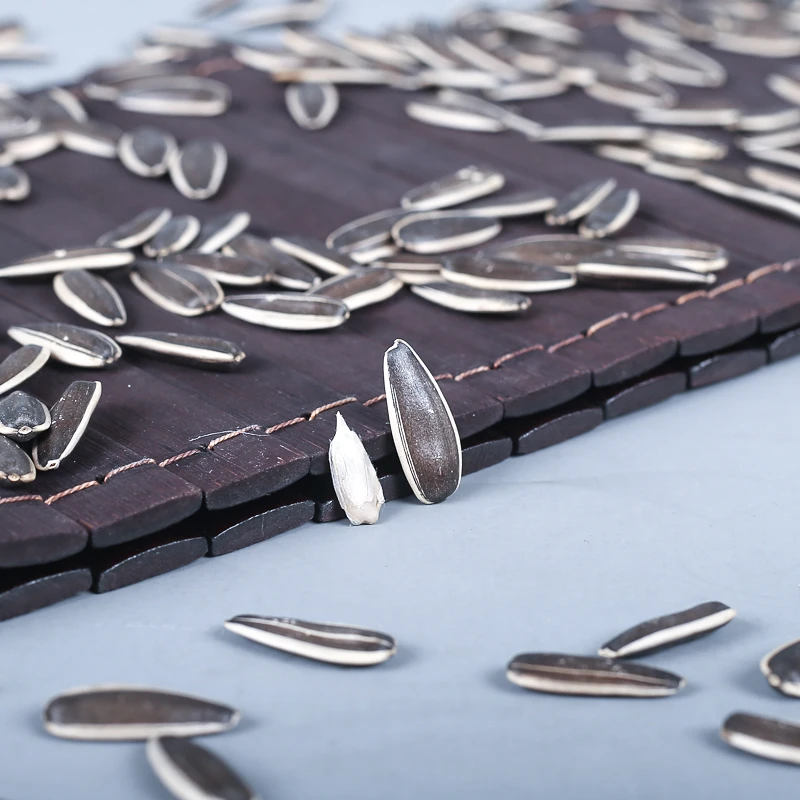
Yellow melon seeds, Cucumis melo var. flexuosus, represent a significant agricultural product with growing global demand, particularly within the snack food and confectionary industries. This technical guide details the complex interplay of agronomic practices, seed physiology, processing techniques, quality control, and potential failure mechanisms associated with their manufacture. The industry chain extends from specialized breeding programs focused on yield, kernel size, and oil content, through large-scale cultivation, meticulous harvesting and drying procedures, advanced sorting and grading technologies, and finally, packaging and distribution. Core performance characteristics revolve around seed viability, kernel percentage, oil content, protein content, moisture levels, and the absence of mycotoxins and other contaminants. Ensuring consistency in these parameters is paramount to meeting stringent food safety regulations and maintaining consumer confidence. This guide provides an in-depth analysis from an industrial perspective, addressing the key challenges faced by manufacturers in achieving high-quality yellow melon seeds.
Material Science & Manufacturing
Yellow melon seeds are primarily composed of lipids (40-50%), proteins (20-30%), carbohydrates (10-20%), and moisture (8-12%). The lipid fraction is predominantly unsaturated fatty acids, specifically linoleic acid (omega-6) and oleic acid (omega-9), contributing to nutritional value and flavor profiles. The seed coat, comprised of cellulose and lignin, provides a protective barrier. Manufacturing begins with selecting high-yielding cultivars exhibiting desirable kernel characteristics. Seed harvesting occurs at physiological maturity, indicated by rind color changes and stem desiccation. Post-harvest drying is critical, typically employing forced-air drying at temperatures below 40°C to prevent lipid oxidation and preserve viability. Moisture content must be reduced to 8-10% for safe storage. Cleaning involves removing debris, dirt, and immature or damaged seeds through a series of screens, air separators, and gravity tables. Size grading is performed to ensure uniformity, affecting both processing efficiency and consumer preference. Kernel extraction is often achieved mechanically, followed by drying and roasting, which impact flavor development and shelf life. Parameter control during roasting is crucial – excessive temperature leads to acrylamide formation, while insufficient temperature results in a bland product. Finally, seeds undergo quality control checks for moisture content, oil content, protein content, and the absence of aflatoxins and other mycotoxins, utilizing techniques like NIR spectroscopy and ELISA assays.
Performance & Engineering
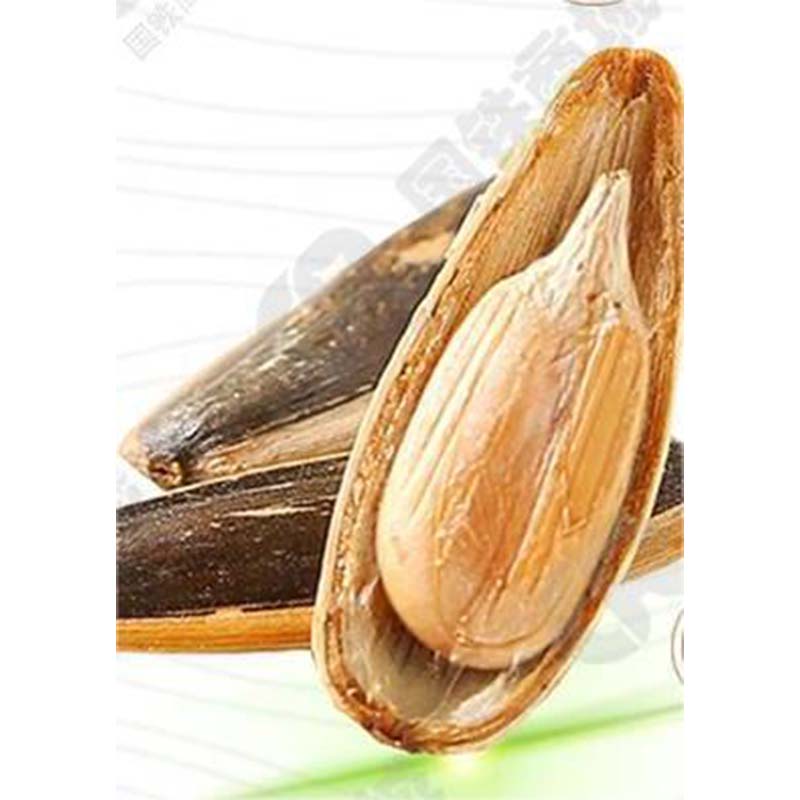
The mechanical properties of yellow melon seeds are critical for processing efficiency. Kernel hardness, measured by compression testing, dictates the force required for cracking during shelling or grinding. Tensile strength of the seed coat influences its resistance to damage during handling and transportation. The oil extraction process involves significant force analysis, optimizing press pressure and screw speed to maximize yield while minimizing seed damage and oil degradation. Environmental resistance is a major concern; high humidity promotes fungal growth and mycotoxin contamination. Therefore, appropriate storage conditions – low temperature (below 15°C) and relative humidity (below 65%) – are essential. Compliance requirements include adherence to food safety standards such as HACCP (Hazard Analysis and Critical Control Points) and regulations set by the FDA (Food and Drug Administration) in the US, EFSA (European Food Safety Authority) in Europe, and equivalent bodies in other regions. Specifically, limits for aflatoxins (B1, B2, G1, G2) are strictly enforced. Functional implementation involves optimizing roasting profiles to achieve desired flavor, texture, and color, utilizing principles of heat transfer and chemical kinetics. Packaging must provide a barrier against moisture and oxygen, extending shelf life and preserving product quality. Considerations for packaging materials include permeability, mechanical strength, and food-grade certification.
Technical Specifications
| Parameter | Unit | Specification (Grade A) | Specification (Grade B) |
|---|---|---|---|
| Kernel Percentage | % | ≥ 70 | 65-70 |
| Moisture Content | % | ≤ 8.0 | 8.1-9.0 |
| Oil Content | % | ≥ 45 | 40-45 |
| Protein Content | % | ≥ 25 | 22-25 |
| Aflatoxin B1 | ppb | ≤ 2 | ≤ 4 |
| Foreign Matter | % | ≤ 1.0 | ≤ 2.0 |
Failure Mode & Maintenance
Common failure modes in yellow melon seeds include lipid oxidation, leading to rancidity and off-flavors; mycotoxin contamination, primarily by Aspergillus species, rendering the product unsafe for consumption; cracking and breakage during processing, reducing yield and quality; and moisture absorption, promoting fungal growth and reducing shelf life. Failure analysis often reveals that insufficient drying, improper storage conditions, and inadequate cleaning procedures are primary contributors. Lipid oxidation is mitigated by using antioxidant packaging materials, storing seeds at low temperatures, and minimizing exposure to oxygen. Mycotoxin contamination is prevented through rigorous quality control measures, including pre-harvest monitoring of fields for fungal infections and post-harvest testing for aflatoxins. To address cracking and breakage, processing equipment should be regularly inspected and maintained, and operating parameters optimized to minimize stress on the seeds. Preventative maintenance programs should include regular cleaning of processing lines, calibration of sorting equipment, and monitoring of drying temperatures. Regular inspection for pest infestation is also crucial. For storage facilities, controlling humidity and temperature is essential, along with regular sanitation to prevent mold growth. Implementing a robust traceability system allows for swift identification and recall of affected batches in case of contamination or quality issues.
Industry FAQ
Q: What are the key factors influencing oil quality in yellow melon seeds, and how can we optimize them?
A: Oil quality is primarily influenced by the fatty acid profile, which is genetically determined but can be modified by environmental factors and processing techniques. Controlling harvest maturity, minimizing drying temperatures, and employing appropriate storage conditions are crucial. Avoiding exposure to light and oxygen during storage is also essential to prevent lipid oxidation. Utilizing nitrogen flushing during packaging can further enhance oil stability.
Q: How can we effectively minimize the risk of aflatoxin contamination in our yellow melon seed production?
A: A multifaceted approach is required. Begin with selecting cultivars with inherent resistance to aflatoxin-producing fungi. Implement rigorous field monitoring for fungal infection during pre-harvest. Employ proper drying techniques to reduce moisture content rapidly. Implement thorough cleaning and sorting procedures to remove contaminated seeds. Regular testing for aflatoxins using ELISA or HPLC methods is critical. Strict adherence to HACCP principles is also paramount.
Q: What is the optimal moisture content for long-term storage of yellow melon seeds, and how do we accurately measure it?
A: The optimal moisture content for long-term storage is 8-10%. Above this level, the risk of fungal growth and deterioration increases significantly. Accurate measurement can be achieved using a calibrated moisture analyzer based on the oven-drying method (reference method) or near-infrared (NIR) spectroscopy for rapid, non-destructive analysis. Regular calibration of the equipment is crucial for accurate readings.
Q: What are the most common causes of cracking during the shelling process, and how can we reduce these occurrences?
A: Cracking often results from excessive impact forces during shelling. This can be caused by improper sheller settings, variations in seed hardness, or pre-existing micro-cracks in the seed coat. Optimizing sheller speed, adjusting pressure settings, and ensuring uniform seed size through grading can reduce cracking. Pre-conditioning the seeds with a controlled moisture content can also improve shellability.
Q: What packaging materials are best suited for maintaining the quality and extending the shelf life of yellow melon seeds?
A: Multi-layer packaging materials offering excellent barrier properties against moisture, oxygen, and light are recommended. Materials such as metallized polyethylene terephthalate (mPET) combined with polyethylene (PE) provide a robust barrier. Nitrogen flushing before sealing can further displace oxygen, preventing oxidation. Packaging should also be food-grade certified and comply with relevant regulations.
Conclusion
The successful manufacture of high-quality yellow melon seeds relies on a comprehensive understanding of the intricate interplay between agricultural practices, material science, processing engineering, and quality control measures. Maintaining optimal moisture content, preventing mycotoxin contamination, and preserving lipid stability are paramount concerns. Implementing rigorous quality control protocols, adhering to international food safety standards, and investing in preventative maintenance are essential for maximizing yield, ensuring product safety, and achieving long-term sustainability.
Looking ahead, advancements in breeding programs focused on enhancing seed quality traits, coupled with innovations in processing technologies – such as optimized roasting techniques and advanced packaging materials – will further improve the industry's capabilities. Continuous monitoring of emerging food safety regulations and proactive adaptation to evolving consumer preferences are crucial for remaining competitive in the global market.
