Introduction
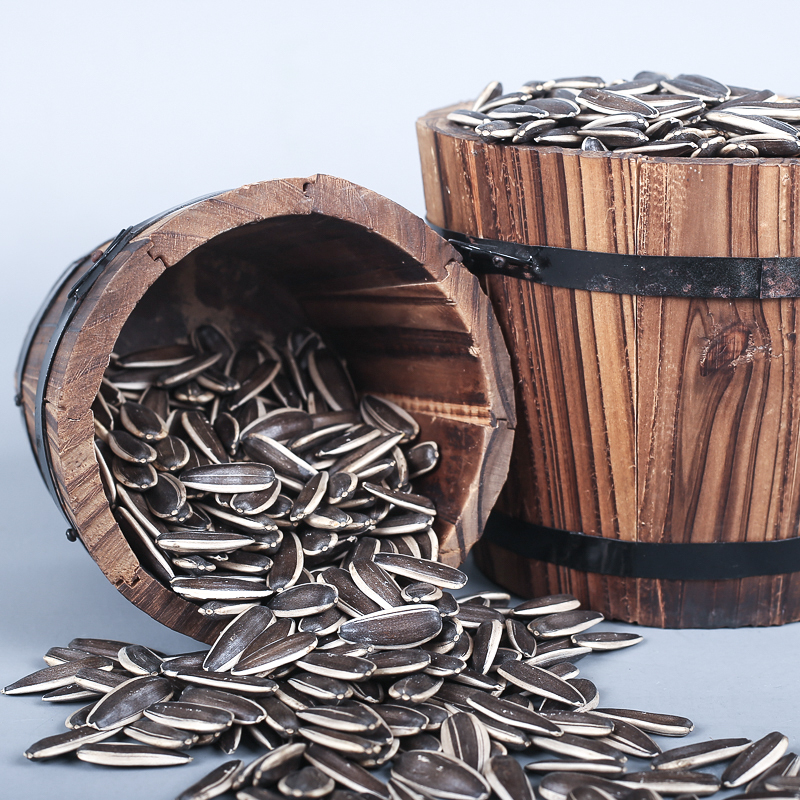
Yellow melon seed processing factories represent a critical node in the agricultural supply chain, converting raw melon seeds into consumable food products. This guide details the technical aspects of these facilities, encompassing seed quality control, processing techniques, packaging methodologies, and associated industry standards. The core performance of a yellow melon seed factory is defined by its ability to consistently deliver high-quality, safe, and aesthetically appealing seeds that meet stringent consumer and regulatory requirements. Key performance indicators include seed viability, moisture content, foreign material content, aflatoxin levels, and packaging integrity. The industry faces challenges related to raw material sourcing variability, maintaining sanitation standards, and optimizing processing efficiency to minimize breakage and maximize yield. This document will provide an in-depth analysis of these critical factors.
Material Science & Manufacturing
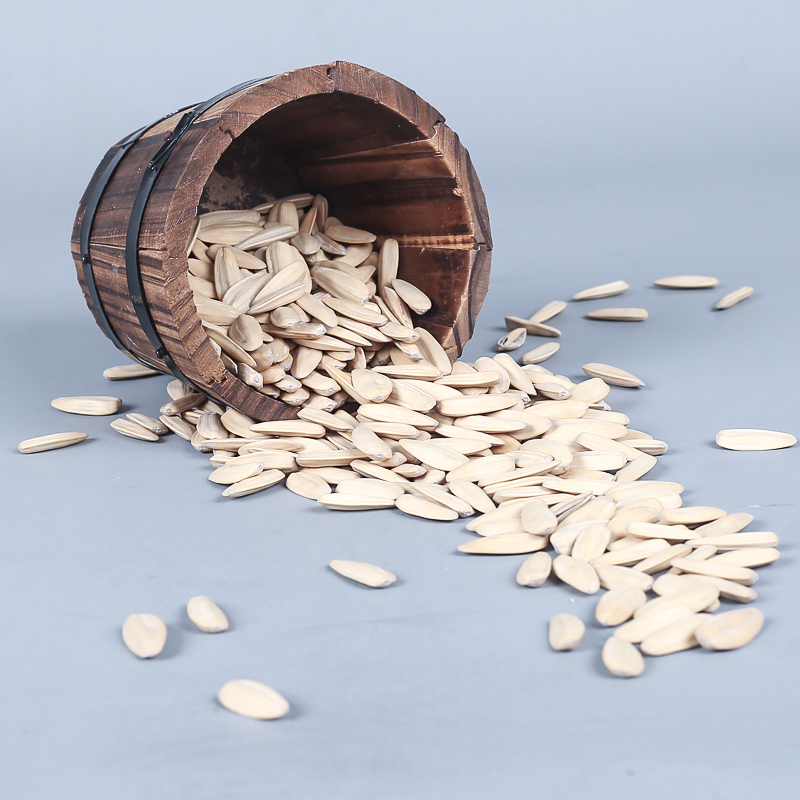
The primary raw material, yellow melon seeds, are composed of approximately 49-56% oil, 25-30% protein, 12-18% carbohydrates, and 4-8% moisture. The oil is rich in linoleic acid, an essential fatty acid. Seed shell composition primarily consists of cellulose and lignin, providing structural integrity. Manufacturing begins with raw seed intake, followed by cleaning to remove debris (stones, stalks, dust). This is typically achieved through a combination of screening, aspiration, and gravity separation. De-hulling, a critical step, removes the outer shell, often employing impact-based dehullers or abrasive methods. Parameters like impeller speed, feed rate, and gap adjustment significantly impact hulling efficiency and seed damage. Following de-hulling, seeds undergo drying to reduce moisture content to approximately 5-7% for improved storage stability. Fluidized bed dryers and vacuum dryers are common, with temperature and air velocity meticulously controlled to prevent heat damage and lipid oxidation. The subsequent roasting process enhances flavor and texture. Roasting temperature (typically 120-150°C) and duration must be optimized to avoid scorching or under-roasting. Finally, seeds are sorted by size and quality, often utilizing optical sorters. Controlling these parameters—temperature, airflow, feed rate, and dwell time—is vital for maximizing product yield and quality.
Performance & Engineering
The structural integrity of the melon seed itself is paramount. Force analysis reveals that seeds are susceptible to cracking under compressive loads, particularly when dry. The shell's tensile strength dictates its resistance to fracture during processing. Environmental resistance is primarily related to moisture absorption. High humidity can lead to increased moisture content, promoting microbial growth and rancidity. Packaging must therefore provide a robust barrier to moisture and oxygen. Compliance requirements include adherence to food safety standards (HACCP, GMP), aflatoxin limits (established by regulatory bodies like the FDA and EFSA), and pesticide residue limits. Functional implementation of quality control systems involves regular testing of raw materials and finished products for moisture content, oil content, free fatty acids, peroxide value (an indicator of rancidity), and aflatoxin contamination. Process engineering focuses on optimizing material flow, minimizing seed breakage, and ensuring consistent product quality through automated control systems and statistical process control (SPC).
Technical Specifications
| Parameter | Unit | Typical Value | Acceptable Range |
|---|---|---|---|
| Moisture Content | % | 6.5 | 5.0 - 8.0 |
| Oil Content | % | 52 | 48 - 56 |
| Free Fatty Acids (as Oleic Acid) | % | 0.8 | ≤1.5 |
| Aflatoxin B1 | ppb | <2 | ≤4 |
| Seed Shelling Percentage | % | 90 | ≥85 |
| Seed Broken Percentage | % | 3 | ≤5 |
Failure Mode & Maintenance
Common failure modes in yellow melon seed processing include seed breakage during de-hulling, rancidity due to lipid oxidation, aflatoxin contamination, and packaging failure leading to moisture ingress. Seed breakage is often caused by improper dehuller settings or excessive feed rates. Rancidity is accelerated by high temperatures, exposure to oxygen, and the presence of metal catalysts. Aflatoxin contamination occurs due to fungal growth in the field or during storage. Packaging failure can result from inadequate barrier properties or physical damage. Maintenance involves regular inspection and cleaning of processing equipment, including dehullers, dryers, roasters, and sorters. Dehullers require periodic blade replacement and bearing lubrication. Dryers require filter cleaning and temperature sensor calibration. Roasters necessitate burner maintenance and temperature control system checks. Optical sorters demand lens cleaning and calibration to maintain accurate color and size discrimination. Preventive maintenance schedules, coupled with regular quality control testing, are essential for minimizing downtime and ensuring consistent product quality. Storage facilities must be monitored for temperature and humidity to prevent mold growth and aflatoxin production. Regular fumigation and pest control are also crucial.
Industry FAQ
Q: What are the critical control points (CCPs) in a melon seed processing facility regarding aflatoxin contamination?
A: The critical control points include raw material sourcing (ensuring seeds come from reputable suppliers with aflatoxin monitoring programs), pre-cleaning to remove moldy seeds, drying to reduce moisture content (inhibiting fungal growth), storage conditions (temperature and humidity control), and final product testing for aflatoxin levels. Implementing a robust HACCP plan is vital.
Q: How does seed moisture content impact the shelf life of roasted melon seeds?
A: Higher moisture content accelerates rancidity and promotes microbial growth, significantly reducing shelf life. Maintaining a moisture content of 5-7% is crucial for extending shelf life. Proper packaging with a moisture barrier is also essential.
Q: What are the best practices for minimizing seed breakage during the de-hulling process?
A: Optimal dehuller settings (impeller speed, feed rate, gap adjustment), proper seed conditioning (adjusting moisture content for optimal hulling), and careful monitoring of equipment wear and tear are essential. Regular maintenance and calibration of the dehuller are also vital.
Q: What type of packaging materials are most suitable for extending the shelf life of yellow melon seeds?
A: Multi-layer films incorporating aluminum foil or metallized polyester provide excellent barriers to moisture, oxygen, and light. High-density polyethylene (HDPE) or polypropylene (PP) containers with airtight seals are also commonly used. Modified atmosphere packaging (MAP) with nitrogen flushing can further extend shelf life.
Q: How frequently should equipment be sanitized in a melon seed processing facility?
A: All equipment that comes into contact with the seeds should be sanitized daily. A comprehensive sanitation program, including cleaning and disinfection procedures, should be implemented and documented. Regular ATP testing can verify the effectiveness of the sanitation process.
Conclusion
Yellow melon seed processing demands a rigorous application of material science, engineering principles, and stringent quality control measures. Maintaining seed integrity, preventing rancidity and aflatoxin contamination, and ensuring consistent product quality are the paramount challenges facing the industry. Effective process control, coupled with adherence to international standards, is critical for producing safe and palatable products.
Future advancements in processing technology, such as improved optical sorting systems and more efficient drying methods, will likely contribute to increased yield and reduced waste. The integration of real-time monitoring systems and data analytics will enable proactive process optimization and enhanced quality control. Continued research into storage techniques and packaging materials will further extend shelf life and minimize product degradation.
