Introduction
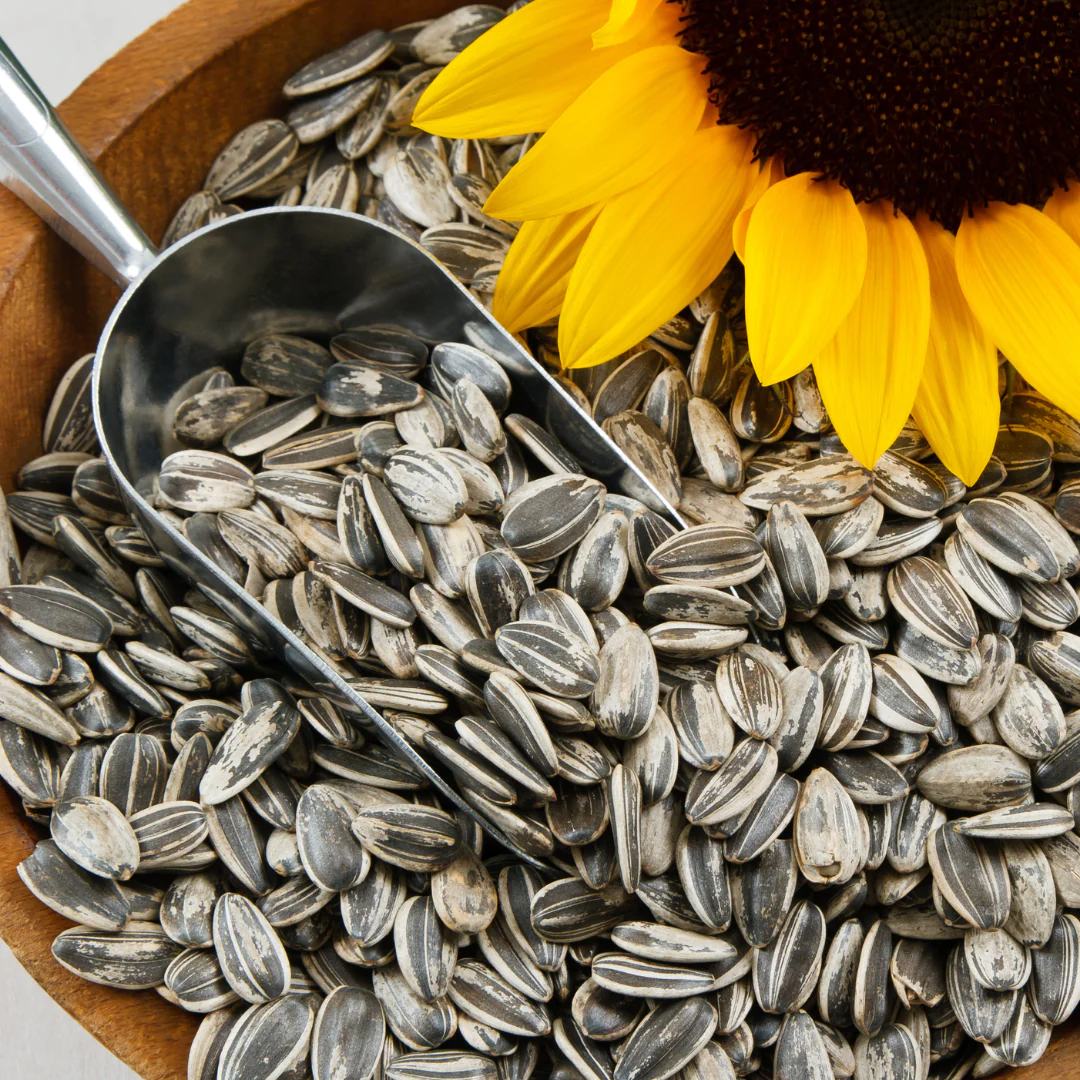
Yellow melon seed factories represent a crucial node in the global agricultural supply chain, specifically focused on the processing, quality control, and packaging of Cucumis melo seeds. These facilities are responsible for transforming harvested melons into consumable seeds, catering to both direct consumer markets and industrial applications, including oil extraction and subsequent food product manufacturing. The industry faces core challenges surrounding seed viability, aflatoxin control, shell breakage during processing, and maintaining consistent seed quality parameters. The technical sophistication of these factories ranges from small-scale, manually operated operations to highly automated facilities employing advanced optical sorting and processing techniques. Core performance indicators include seed germination rate, moisture content, oil content, and the absence of foreign material. This guide provides a comprehensive overview of the technical aspects governing yellow melon seed production, from raw material characteristics to potential failure modes and industry standards.
Material Science & Manufacturing
The primary raw material, yellow melon seeds, exhibits significant variations in composition depending on cultivar, growing conditions, and maturity stage. Chemically, the seeds are composed of approximately 35-50% oil (primarily linoleic acid), 25-35% protein, 10-20% carbohydrate, and 5-10% moisture. The seed coat, composed primarily of cellulose and lignin, provides a protective barrier but is susceptible to cracking during mechanical processing. Manufacturing begins with melon harvesting and pulping, followed by seed extraction via mechanical agitation and washing. Key parameters in this stage include pulp-to-water ratio, agitation speed, and washing temperature. Subsequently, the seeds undergo drying – typically utilizing hot air dryers – where precise temperature control (40-60°C) is critical to prevent denaturation of proteins and maintain oil quality. Over-drying leads to reduced germination rates, while insufficient drying promotes mold growth and aflatoxin contamination. Further processing may involve seed dehulling (removal of the seed coat), grading based on size and density, and surface treatment with food-grade coatings to improve handling and shelf life. The choice of drying method (convection, fluid bed, vacuum) significantly impacts seed quality. Improperly calibrated airflow can lead to uneven drying and localized overheating, resulting in cracked seeds and reduced viability.
Performance & Engineering
The performance of yellow melon seeds is fundamentally governed by their physical integrity and biochemical composition. Germination rate, a critical quality parameter, is heavily influenced by seed moisture content and the presence of viable embryos. Force analysis during processing reveals that seeds exhibit brittle fracture behavior, with cracking initiated at stress concentration points (e.g., imperfections in the seed coat). Seed coating materials must be engineered to withstand the mechanical stresses encountered during handling and packaging. Environmental resistance is paramount; seeds are susceptible to degradation from exposure to oxygen, moisture, and elevated temperatures. Packaging materials must provide an effective barrier to these elements. Compliance requirements are stringent, particularly regarding aflatoxin levels, which are regulated by national and international food safety agencies. Functional implementation centers around optimized processing parameters to maximize seed yield, minimize breakage, and ensure consistent quality. This involves careful control of drying rates, sorting algorithms (based on size, shape, and color), and packaging configurations. The engineering design of seed processing equipment must account for the abrasive nature of the seeds and minimize the potential for contamination.
Technical Specifications
| Parameter | Unit | Typical Range | Test Method |
|---|---|---|---|
| Moisture Content | % | 6.0 – 8.0 | Oven Drying (AOAC 925.10) |
| Oil Content | % | 35 – 50 | Soxhlet Extraction (AOAC 920.39) |
| Germination Rate | % | >85 | Standard Germination Test (ISTA) |
| Aflatoxin Level (Total) | ppb | <20 | HPLC-FLD (AOAC 991.30) |
| Seed Size (Average Diameter) | mm | 8-12 | Sieve Analysis |
| Broken Seed Percentage | % | <5 | Visual Inspection & Sieve Separation |
Failure Mode & Maintenance
Common failure modes in yellow melon seed production include: 1) Fatigue Cracking: Repeated mechanical stress during processing (e.g., sorting, conveying) can induce micro-cracks in the seed coat, leading to breakage and reduced viability. 2) Aflatoxin Contamination: Improper drying and storage conditions promote mold growth, specifically Aspergillus flavus, resulting in aflatoxin production. This is a critical food safety concern. 3) Delamination: The seed coat can delaminate from the kernel due to rapid changes in moisture content or improper dehulling procedures. 4) Oxidative Degradation: Exposure to oxygen can cause rancidity in the oil, diminishing nutritional value and affecting flavor. 5) Mechanical Damage: Impacts during handling and packaging can cause physical damage to the seeds, leading to reduced germination rates. Maintenance strategies include regular inspection of processing equipment for wear and tear, proper calibration of drying systems, implementation of robust cleaning protocols to prevent mold growth, and use of appropriate packaging materials with oxygen barriers. Preventative maintenance schedules should include lubrication of moving parts, replacement of worn belts and filters, and periodic calibration of sensors and control systems. Regular aflatoxin testing is essential for ensuring product safety. Seed storage facilities must be maintained at low temperatures and humidity to minimize degradation.
Industry FAQ
Q: What are the critical control points for minimizing aflatoxin contamination in yellow melon seeds?
A: Critical control points include rigorous pre-harvest monitoring for mold incidence in the field, optimal drying practices (rapidly reducing moisture content to below 8%), proper storage conditions (low temperature and humidity), and regular aflatoxin testing throughout the process. Implementing a HACCP (Hazard Analysis and Critical Control Points) plan is highly recommended.
Q: How does seed moisture content impact long-term storage stability?
A: Excessive moisture content promotes microbial growth and enzymatic activity, leading to seed deterioration and reduced germination rates. Maintaining a moisture content of 6-8% is crucial for long-term storage stability. Packaging materials with low water vapor transmission rates are also essential.
Q: What type of optical sorting technology is most effective for removing damaged or discolored seeds?
A: Color sorting technology utilizing hyperspectral imaging is highly effective. This allows for the detection of subtle color variations indicative of damage, contamination, or immaturity, enabling precise removal of substandard seeds.
Q: What are the key differences between convection and fluid bed drying for melon seeds, and which is preferable?
A: Convection drying is simpler and less expensive, but can lead to uneven drying and localized overheating. Fluid bed drying provides more uniform drying and better temperature control, minimizing seed damage. Fluid bed drying is generally preferable, despite the higher initial investment, for large-scale operations.
Q: How do different packaging materials impact shelf life and seed quality?
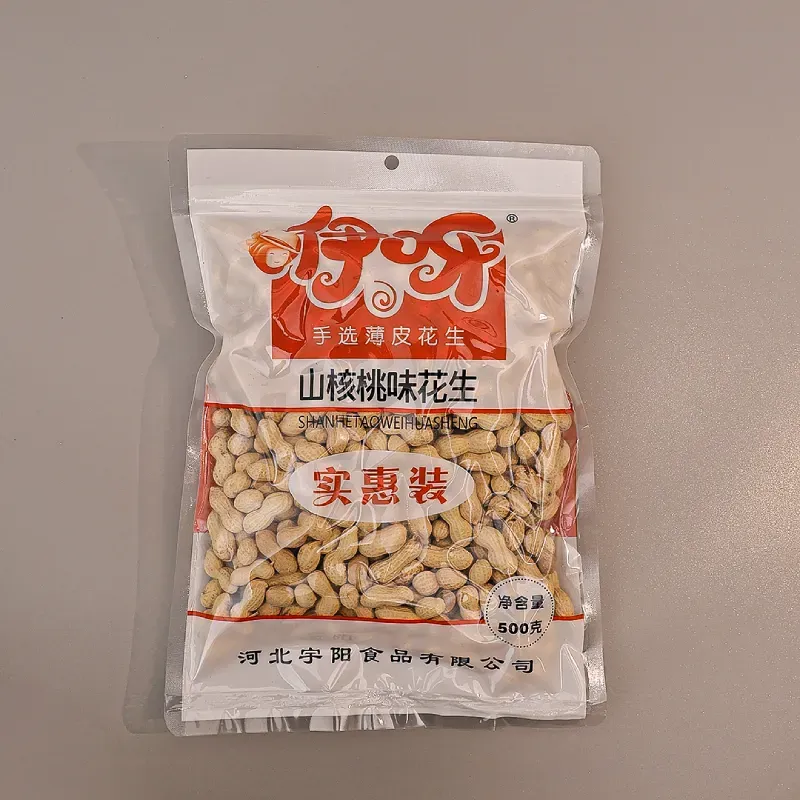
A: Packaging materials should provide barriers against oxygen, moisture, and light. Foil laminates, metallized polyester films, and high-barrier polyethylene are commonly used. The choice of material depends on the desired shelf life and the storage conditions. Vacuum packaging can further extend shelf life by reducing oxygen exposure.
Conclusion
The production of high-quality yellow melon seeds demands a comprehensive understanding of material science, manufacturing processes, and quality control parameters. Maintaining optimal moisture content, minimizing mechanical damage, and rigorously controlling aflatoxin levels are critical for ensuring product safety and maximizing germination rates. Continuous monitoring of key performance indicators and adherence to established industry standards are essential for consistent production and meeting market demands.
Future advancements in the industry will likely focus on automating quality control processes using artificial intelligence and machine vision, developing more sustainable drying technologies, and optimizing packaging materials to further extend shelf life. Investment in research and development is crucial for improving seed quality, enhancing processing efficiency, and ensuring the long-term viability of yellow melon seed factories in a competitive global market.
