Introduction
Yellow melon seeds, Cucumis melo var. reticulatus, represent a significant agricultural export commodity, particularly from regions with optimal growing conditions. This technical guide focuses on the critical factors impacting the quality, preservation, and international trade of these seeds, addressing concerns for exporters targeting global markets. The industry chain extends from seed breeding and selection, through cultivation, harvesting, post-harvest processing (drying, grading, cleaning), quality control, packaging, and finally, export logistics. Core performance characteristics, vital for maintaining market competitiveness, include germination rate, purity, moisture content, genetic stability, and freedom from pathogens and contaminants. Maintaining these parameters is crucial for successful establishment of crops in importing countries, and directly correlates to farmer yield and subsequent demand. A key pain point in the export market is ensuring consistent quality to meet the stringent phytosanitary regulations of diverse importing nations. This guide will dissect the science underpinning these parameters and offer best practice recommendations for exporters.
Material Science & Manufacturing
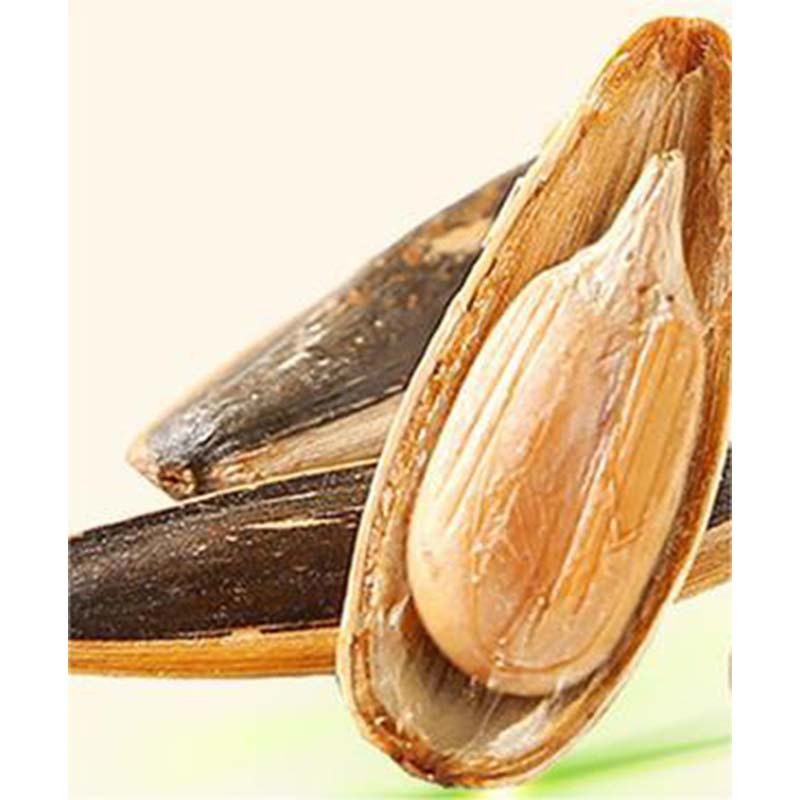
Yellow melon seeds are composed primarily of lipids (30-50% dry weight), proteins (20-30%), carbohydrates (10-20%), and moisture (5-10% optimal for storage). The lipid composition consists mainly of unsaturated fatty acids, contributing to the seed’s susceptibility to oxidative rancidity if not properly stored. The seed coat, or testa, is a multi-layered structure providing physical protection and influencing water permeability. Its composition includes cellulose, hemicellulose, and lignin. Manufacturing, in this context, refers to the post-harvest processing stages. Initial harvesting requires careful timing based on physiological maturity, typically indicated by changes in rind color and seed appearance. Drying is paramount; traditionally sun-drying is used, but controlled temperature drying (40-50°C) is preferred to minimize lipid oxidation and maintain viability. This process reduces moisture content to ≤7%, inhibiting microbial growth. Grading separates seeds based on size and weight, often using sieves. Cleaning removes debris, damaged seeds, and inert matter. Parameter control during drying is crucial. Temperature must be monitored consistently to avoid heat damage to the embryo. Moisture content needs to be verified using calibrated moisture meters. Seed dormancy is naturally low, but storage conditions (temperature, humidity, packaging) significantly influence long-term viability. Seed vigor, a measure of germination speed and seedling strength, is also affected by post-harvest handling.
Performance & Engineering
Performance metrics for yellow melon seeds center on germination characteristics. Germination rate, typically expressed as a percentage, is a primary indicator of seed quality. Factors influencing germination include seed age, storage conditions, and seed coat integrity. Force analysis is relevant in evaluating seed coat resistance to cracking, impacting radicle emergence. Environmental resistance is critical – seeds must withstand temperature fluctuations during transport and storage. Exposure to extreme temperatures (>60°C or <0°C) can reduce viability. Humidity control is also vital. High humidity (>70%) promotes fungal growth and reduces germination. Compliance requirements vary by importing country, but commonly include phytosanitary certificates demonstrating freedom from regulated pests and diseases. Genetic purity is another key performance indicator; maintaining varietal identity ensures consistent crop characteristics. Functional implementation involves understanding the physiological requirements for germination – optimal temperature (25-35°C), sufficient moisture, and oxygen availability. Seed treatments, such as fungicide application, are sometimes used to enhance protection against seed-borne pathogens but must adhere to importing country regulations. Seedling vigor directly correlates to the seeds' nutritional content and the integrity of the embryonic axis.
Technical Specifications
| Parameter | Unit | Typical Value (High Quality Seeds) | Acceptable Range (Export Standard) |
|---|---|---|---|
| Germination Rate | % | ≥ 95% | ≥ 85% |
| Purity | % | ≥ 99% | ≥ 98% |
| Moisture Content | % | 7-8% | ≤ 9% |
| 1000-Seed Weight | g | 18-22 g | 15-25 g |
| Seed Coat Thickness | mm | 0.2-0.3 mm | 0.15-0.4 mm |
| Oil Content | % (dry weight) | 40-50% | 35-55% |
Failure Mode & Maintenance
Failure modes for yellow melon seeds during export and storage are multifaceted. Loss of viability is a primary concern, stemming from prolonged exposure to high temperatures or humidity. Oxidative rancidity, caused by lipid peroxidation, reduces seed quality and germination. This is accelerated by exposure to oxygen and light. Mechanical damage during harvesting, processing, or transport can compromise seed coat integrity, increasing susceptibility to pathogen infection. Seed-borne diseases, such as Fusarium and Alternaria, can significantly reduce germination and seedling vigor. Pest infestation, particularly by storage pests, can cause direct seed damage and contamination. Maintenance focuses on preventative measures. Proper drying and storage in airtight containers at low temperatures (5-10°C) are essential. Regular monitoring of temperature and humidity during storage is critical. Implementing a robust quality control program, including germination testing and pathogen screening, is vital. Seed treatments can provide temporary protection against pathogens, but resistance development should be considered. Appropriate packaging materials, such as moisture-proof bags, minimize environmental impact. Failure analysis should involve assessing germination rates, moisture content, lipid peroxide value (to detect rancidity), and pathogen presence.
Industry FAQ
Q: What is the acceptable level of seed-borne pathogen contamination for export to the European Union?
A: The European Union has stringent phytosanitary regulations. Acceptable levels of seed-borne pathogens are defined in Annex I of Council Directive 2002/59/EC. Specific tolerances vary by pathogen, but generally, seeds must be free from quarantine pests and have very low levels of regulated pathogens. Testing must be conducted by an accredited laboratory using validated methods, and a phytosanitary certificate issued by the exporting country’s national plant protection organization is required.
Q: How does seed storage temperature impact long-term viability?
A: Seed viability declines exponentially with increasing storage temperature. The “rule of thumb” is that for every 5°C increase in temperature, the longevity of seeds is halved. Optimal long-term storage requires low temperatures (5-10°C) and low humidity (<50%). Refrigeration or controlled atmosphere storage is recommended for maintaining viability over extended periods.
Q: What is the significance of 1000-seed weight, and how does it relate to seed quality?
A: 1000-seed weight is an indicator of seed size and filling. Higher 1000-seed weight generally correlates with greater seed vigor and nutrient reserves, leading to stronger seedlings. A consistent 1000-seed weight within a seed lot indicates uniformity in seed development and quality.
Q: What drying methods are most suitable for maintaining high germination rates?
A: While sun-drying is traditional, controlled temperature drying (40-50°C) is superior for preserving germination rates. Hot air drying provides more uniform drying and minimizes lipid oxidation. The key is to avoid excessively high temperatures that can damage the embryo. Careful monitoring of moisture content is crucial throughout the drying process.
Q: How can exporters demonstrate compliance with international seed quality standards?
A: Exporters can obtain certification from recognized seed testing organizations, such as the Association of Official Seed Certifying Agencies (AOSCA) or the International Seed Testing Association (ISTA). ISTA accreditation ensures that seed testing laboratories adhere to internationally recognized standards. Providing detailed seed analysis reports, including germination rates, purity, and pathogen screening results, is also essential.
Conclusion
Maintaining high-quality yellow melon seeds for export requires a meticulous approach encompassing careful attention to material science, manufacturing processes, and adherence to stringent quality control measures. The parameters discussed – germination rate, purity, moisture content, and freedom from pathogens – are all interconnected and critical for ensuring successful crop establishment in importing countries. Failure to optimize these factors can lead to significant economic losses for both exporters and farmers.
Looking forward, advancements in seed coating technologies and precision drying methods offer opportunities to further enhance seed quality and longevity. Investing in accredited seed testing laboratories and implementing robust traceability systems are crucial for maintaining market access and building trust with international buyers. Continued research into seed physiology and pathogen resistance will be vital for addressing the evolving challenges faced by the yellow melon seed export industry.
