Introduction
Yellow melon seeds, scientifically classified as Cucumis melo var. flexuosus, represent a significant agricultural commodity with growing international demand. This technical guide details the critical aspects of yellow melon seed production, quality control, and export considerations. The industry chain begins with specialized cultivation practices focusing on hybrid vigor and genetic purity, progresses through harvesting, drying, cleaning, grading, and finally, packaging for international shipment. Core performance metrics center around germination rate, seed purity (both physical and genetic), moisture content, and freedom from seed-borne diseases. A key industry pain point lies in maintaining consistent seed quality across varying climatic conditions and storage protocols, impacting downstream agricultural yields and farmer profitability. This guide provides a comprehensive technical overview addressing these challenges.
Material Science & Manufacturing
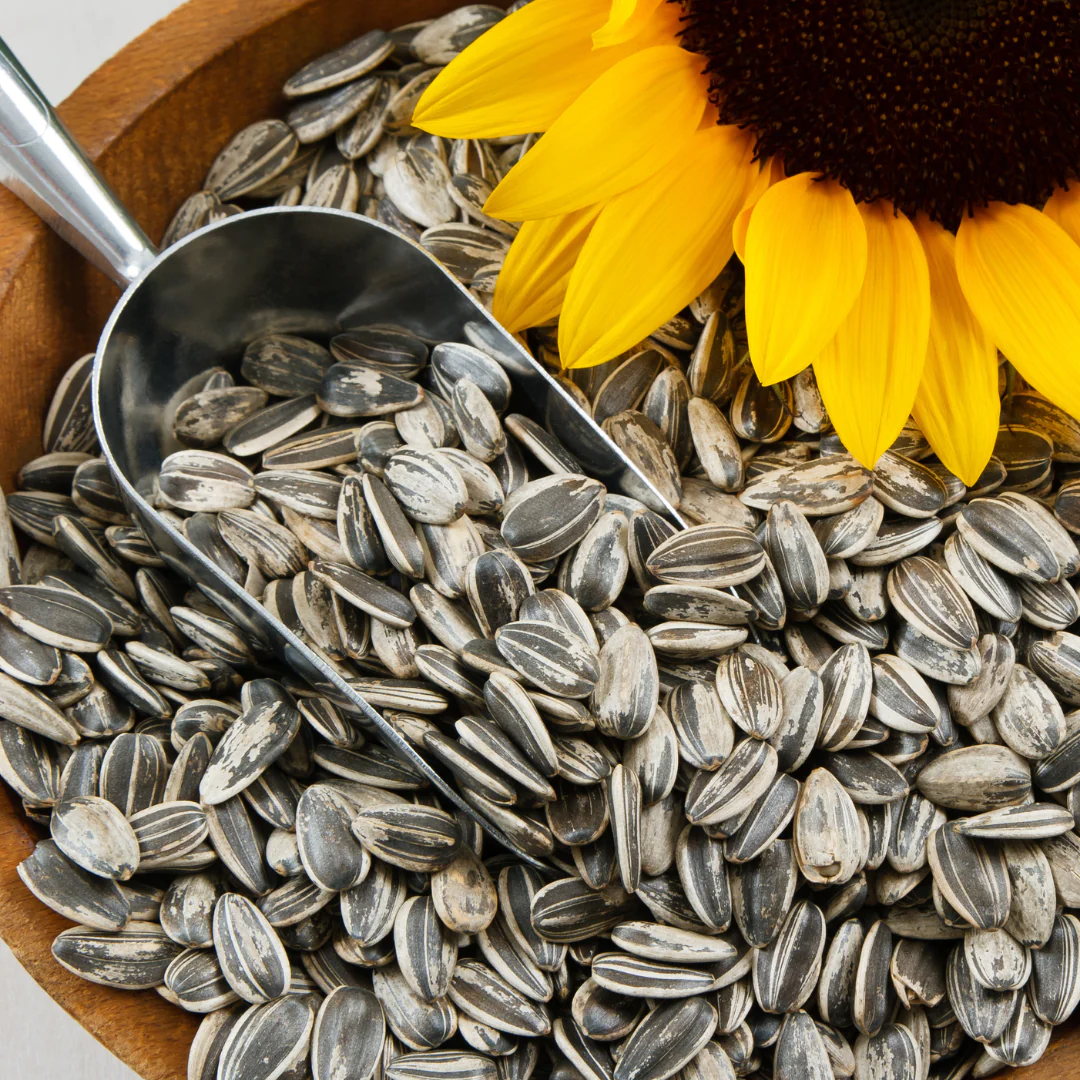
The physical and chemical properties of yellow melon seeds are paramount to their viability and storage. The seed coat, primarily composed of cellulose and lignin, provides a protective barrier against mechanical damage and environmental stressors. Its average thickness ranges from 0.15mm to 0.3mm, influencing water permeability. The endosperm contains the majority of stored reserves: approximately 40-50% carbohydrates (primarily starch), 25-35% lipids (oleic and linoleic acids being dominant), and 20-25% protein. Moisture content is a critical parameter, ideally maintained below 8% for long-term storage. Higher moisture content accelerates lipid peroxidation and enzymatic activity, leading to reduced germination rates. Manufacturing begins with controlled pollination to produce F1 hybrid seeds. Harvesting occurs at physiological maturity, identified by rind color change and ease of separation from the vine. Drying is conducted in stages, initially field-drying to 70% moisture content, followed by controlled-environment drying using forced air at temperatures below 40°C to prevent protein denaturation. Cleaning involves multi-stage sieving and air separation to remove debris, chaff, and immature seeds. Parameter control focuses on maintaining optimal temperature and humidity during drying, consistent seed sizing through grading, and strict adherence to sanitation protocols to minimize microbial contamination.
Performance & Engineering
Seed performance is dictated by several engineering principles related to storage, packaging, and transport. The water activity (Aw) of the seed, a measure of unbound water, is crucial for predicting shelf life. Low Aw values (<0.4) inhibit microbial growth and enzymatic reactions. Packaging materials must provide a barrier against moisture, oxygen, and light. High-density polyethylene (HDPE) bags with aluminum foil liners are commonly used. Force analysis during transport considerations involves evaluating the seeds’ resistance to impact and compression. Seed breakage reduces germination potential. Compliance requirements adhere to phytosanitary regulations of importing countries, demanding freedom from regulated pests and pathogens. This is verified through laboratory testing and certification. Functional implementation includes seed treatment with fungicides and insecticides to enhance seedling establishment and protect against early-season pests. Dosage rates are carefully calibrated to minimize environmental impact while maximizing efficacy. Furthermore, maintaining a cold chain during transportation, particularly for seeds destined for tropical climates, is crucial for preserving viability.
Technical Specifications
| Germination Rate (%) | Purity (%) | Moisture Content (%) | Seed Size (mm) |
|---|---|---|---|
| ≥ 85 | ≥ 98 | ≤ 8.0 | 8-10 |
| ≥ 80 (After 12 months storage) | ≥ 95 | ≤ 7.0 | 9-11 |
| ≥ 75 (Under stress conditions) | ≥ 90 | ≤ 9.0 | 7-9 |
| ≥ 90 (Premium Grade) | ≥ 99 | ≤ 6.5 | 8.5-9.5 |
| ≥ 70 (Organic Certified) | ≥ 97 | ≤ 8.5 | 8-11 |
| ≥ 82 (Hybrid Variety) | ≥ 96 | ≤ 7.5 | 7.5-8.5 |
Failure Mode & Maintenance
Failure modes in yellow melon seeds are diverse. Fatigue cracking of the seed coat during handling and transportation can compromise seed viability. Delamination, or separation of the seed coat from the endosperm, indicates physical damage. Degradation of lipids due to oxidation, particularly during prolonged storage at elevated temperatures, leads to reduced germination energy. Oxidation is exacerbated by exposure to oxygen and light. Seed-borne diseases, such as Fusarium and Alternaria, can cause seedling damping-off. Maintenance protocols involve storing seeds in cool, dry, and dark conditions. Optimally, storage temperature should be between 5°C and 10°C with relative humidity below 60%. Regular monitoring of moisture content is essential. Packaging should be inspected for integrity to prevent moisture ingress. Implementing a first-in, first-out (FIFO) inventory management system minimizes storage duration. Periodic viability testing ensures seed quality remains within acceptable limits. Seed treatment with appropriate protectants offers preventative measures against fungal and bacterial pathogens. Proper handling during processing and packaging reduces mechanical damage.
Industry FAQ
Q: What is the significance of the 1000-seed weight?
A: 1000-seed weight is a crucial indicator of seed size and vigor. Larger seeds generally contain more stored reserves, resulting in stronger seedlings and improved establishment rates. It's used for calibrating seeding rates and assessing seed quality during grading.
Q: How does seed dormancy affect export timelines?
A: Some yellow melon seed varieties exhibit dormancy, requiring stratification (cold, moist treatment) to break dormancy and promote germination. This necessitates careful planning of pre-shipment treatments to ensure the seeds are ready for planting upon arrival in the importing country, affecting export timelines and storage requirements.
Q: What are the key considerations for organic certification of yellow melon seeds?
A: Organic certification requires strict adherence to standards prohibiting the use of synthetic pesticides, fungicides, and fertilizers during seed production. Seed sources must also be certified organic. Traceability is crucial, and records must be meticulously maintained throughout the entire production process.
Q: What is the impact of different drying methods on seed quality?
A: Drying method significantly impacts seed quality. Sun drying can lead to uneven drying and heat damage, reducing viability. Forced-air drying at controlled temperatures (below 40°C) is preferred to minimize protein denaturation and lipid oxidation. Properly dried seeds maintain higher germination rates and longer storage life.
Q: How are seed-borne diseases detected and mitigated for export?
A: Seed-borne diseases are detected through laboratory testing, including agar plate assays and ELISA tests. Mitigation strategies include seed treatment with fungicides, hot water treatment, and sourcing seeds from disease-free fields. Phytosanitary certificates are required by importing countries to verify freedom from regulated pathogens.
Conclusion
The successful export of yellow melon seeds hinges upon a deep understanding of their material properties, manufacturing processes, and performance characteristics. Maintaining optimal moisture content, ensuring high purity, and protecting against seed-borne diseases are critical for preserving viability and meeting international quality standards. Effective packaging and storage protocols are equally important for extending shelf life and minimizing losses during transportation.
Future advancements in seed technology, such as precision seed treatment and improved drying techniques, promise to further enhance the quality and resilience of yellow melon seeds. Continuous monitoring of industry regulations and consumer demands will be essential for exporters to maintain a competitive edge and capitalize on emerging market opportunities. A commitment to sustainable agricultural practices and adherence to stringent quality control measures will solidify the long-term viability of this vital agricultural commodity.
