Introduction
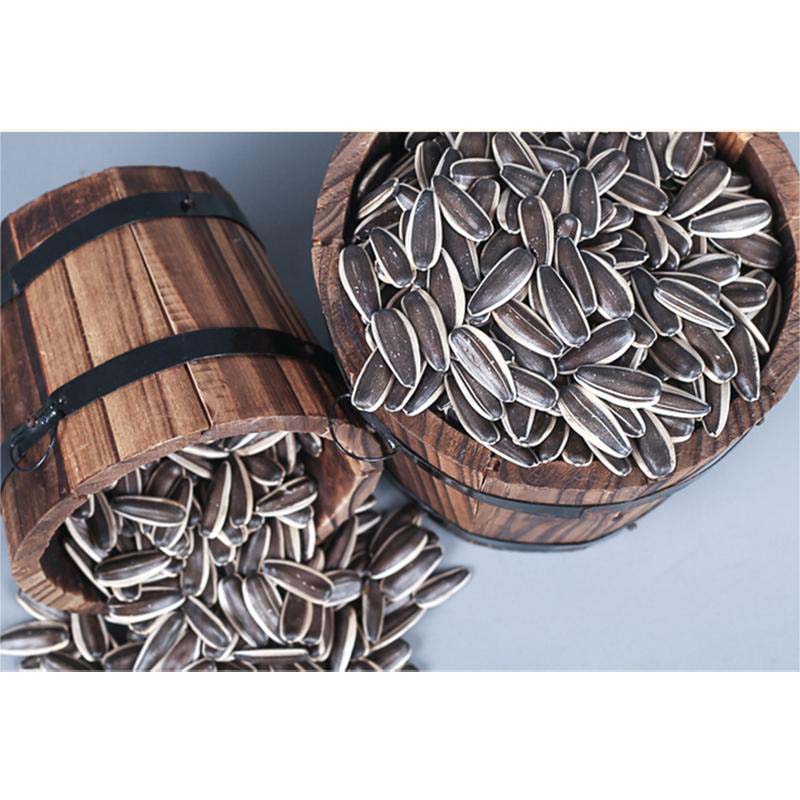
Wild sunflower seeds ( Helianthus annuus) represent a critical component in ecological restoration, pollinator support, and increasingly, as a specialized agricultural input. This technical guide details the characteristics, production, performance, and potential failure modes of wild sunflower seeds supplied for planting, providing a comprehensive resource for procurement managers, agricultural engineers, and land restoration specialists. Unlike cultivated sunflower varieties bred for oil production, wild sunflowers exhibit enhanced genetic diversity, resilience to adverse environmental conditions, and serve as a vital food source for native bird populations. Their technical position lies between commodity seed production and specialized native plant propagation, demanding a focus on genetic purity, germination rates, and adaptability to specific bioregions. Core performance metrics center around viability, purity (free from weed seed contamination), and the capacity to establish robust, self-sustaining populations. A key pain point within the industry is inconsistent seed quality and a lack of standardized testing protocols, leading to project failures in restoration efforts. This guide addresses these concerns through a detailed examination of critical parameters and industry best practices.
Material Science & Manufacturing
The fundamental material science of wild sunflower seeds revolves around the composition of the achene, the fruit containing the seed. The pericarp (seed coat) is primarily composed of cellulose and lignin, providing physical protection. The seed itself consists of the embryo, endosperm (starch and protein storage), and a small oil body. Chemical composition varies based on provenance, but typically includes 20-30% oil, 25-40% protein, and 40-50% carbohydrates. Raw material sourcing is paramount; seeds are typically harvested from selectively managed wild populations, ensuring genetic diversity is maintained. Manufacturing processes begin with harvesting at physiological maturity, followed by cleaning to remove chaff and debris. Drying is a crucial step, reducing moisture content to approximately 8-10% to prevent fungal growth and preserve viability. Seed sizing and grading are implemented to ensure uniformity. Parameter control during drying is critical – exceeding 40°C can significantly reduce germination rates. Furthermore, the use of mechanical harvesting equipment can cause physical damage to the seed coat, impacting water uptake and germination. Seed treatment, often involving fungal protectants and insecticidal coatings, is applied to enhance storage life and prevent pest damage during establishment. The chemical compatibility of seed treatments with the seed coat and surrounding soil microbiome must be rigorously assessed to avoid adverse ecological effects. Storage conditions (temperature, humidity, light exposure) directly influence seed longevity, with optimal conditions being cool, dry, and dark.
Performance & Engineering
Performance assessment of wild sunflower seeds centers on germination rate, seedling vigor, and long-term establishment success. Force analysis is relevant in understanding seed coat rupture during imbibition, with optimal seed coat permeability being essential for rapid germination. Environmental resistance is a key differentiator; wild sunflowers are inherently more tolerant to drought, salinity, and poor soil conditions compared to cultivated varieties. Compliance requirements vary depending on the intended application. Restoration projects often necessitate seeds sourced from local genotypes to maintain genetic integrity and adaptation to the specific environment. The use of certified seed sources adhering to Association of Official Seed Certifying Agencies (AOSCA) standards is crucial. Functional implementation involves determining appropriate seeding rates based on site conditions and desired plant density. Seed drilling or broadcasting methods are employed, with drilling generally promoting better seed-soil contact and germination. The impact of weed competition on seedling establishment must be considered, often requiring pre-planting weed control measures or the use of companion planting strategies. Seedbed preparation is also critical; a firm, well-drained seedbed ensures optimal moisture availability and root development. Furthermore, assessing the seed's ability to withstand mechanical stress during handling and planting (e.g., abrasion in seed drills) is vital for maximizing establishment rates. Evaluating the seed’s response to varying photoperiods is also important, particularly for ensuring uniform germination and flowering.
Technical Specifications
| Germination Rate (%) | Purity (%) | Moisture Content (%) | Oil Content (%) |
|---|---|---|---|
| ≥ 85 | ≥ 98 | ≤ 10 | 20-30 |
| ≥ 80 (stressed conditions) | ≥ 95 (weed seed free) | 8-9 | 22-32 |
| ≥ 75 (extreme conditions) | ≥ 90 (native seed mix) | ≤ 12 | 18-28 |
| ≥ 90 (optimized conditions) | ≥ 99 | 7-8 | 25-35 |
| ≥ 70 (long-term storage) | ≥ 92 | 9-11 | 23-33 |
| ≥ 82 (different ecotypes) | ≥ 96 | ≤ 9 | 21-31 |
Failure Mode & Maintenance
Failure modes in wild sunflower seed planting are diverse. Primary failure modes include: 1) Low Germination: Caused by seed aging, improper storage, physical damage during harvesting/processing, or fungal infection. 2) Poor Seed-Soil Contact: Results from improper seeding depth, compacted soil, or insufficient moisture. 3) Weed Competition: Overwhelms seedlings, reducing establishment rates. 4) Predation: Birds, rodents, and insects can consume seeds before or after germination. 5) Disease: Fungal pathogens can attack seedlings, leading to damping-off or root rot. 6) Genetic Drift: Using seeds from non-local sources leads to reduced adaptability and lower success rates. Maintenance and preventative measures include: 1) Proper Seed Storage: Maintain cool, dry conditions (5-10°C, <60% relative humidity). 2) Seed Treatment: Utilize appropriate fungal protectants and insecticidal coatings. 3) Site Preparation: Ensure a weed-free seedbed with adequate moisture. 4) Seeding Depth Control: Optimize seeding depth based on soil type and moisture conditions. 5) Monitoring & Pest Control: Regularly monitor for pest and disease outbreaks and implement appropriate control measures. 6) Genetic Sourcing: Prioritize seeds sourced from local genotypes adapted to the specific environment. Failure analysis should include germination testing, assessment of seed coat integrity, and identification of potential pathogens. Regular monitoring of establishment rates and seedling health is also crucial for early detection of problems.
Industry FAQ
Q: What is the impact of seed source (geographic origin) on the success of a restoration project?
A: The geographic origin of seed is paramount. Using seeds sourced from populations adapted to the local environment significantly increases establishment rates and long-term survival. Seeds from distant sources may lack the necessary adaptations to cope with local climate conditions, soil types, and pest pressures. Genetic mismatches can lead to reduced fitness and ultimately, project failure. We recommend sourcing seeds within a 100-mile radius of the restoration site whenever possible.
Q: How do you ensure the purity of wild sunflower seed lots and prevent contamination with invasive weed species?
A: Purity is ensured through rigorous quality control measures throughout the harvesting and processing stages. This includes thorough cleaning to remove chaff and debris, followed by visual inspection and seed testing. We utilize certified seed sources and conduct regular weed seed analyses to verify purity levels. Our seed lots consistently meet or exceed AOSCA standards for purity, guaranteeing a minimal presence of weed seeds.
Q: What is the shelf life of wild sunflower seeds, and what are the optimal storage conditions?
A: The shelf life of wild sunflower seeds is typically 2-3 years when stored properly. Optimal storage conditions involve maintaining a cool, dry, and dark environment. Specifically, temperatures between 5-10°C and a relative humidity below 60% are ideal. Avoid exposure to direct sunlight and fluctuations in temperature and humidity, as these can accelerate seed deterioration.
Q: How does seed coating influence germination and seedling establishment?
A: Seed coating can significantly influence germination and seedling establishment. Protective coatings can shield seeds from fungal pathogens and insect pests, enhancing survival rates. However, the coating material must be compatible with the seed and surrounding soil environment. Excessive coating thickness can impede water uptake and reduce germination. We utilize biodegradable coatings formulated to promote optimal germination without hindering seedling development.
Q: What testing protocols are used to assess the viability and vigor of wild sunflower seeds?
A: We employ a combination of standard and advanced testing protocols. Germination tests are conducted under controlled conditions to determine the percentage of viable seeds. Tetrazolium (TZ) tests are used to assess seed viability by evaluating the metabolic activity of the embryo. Accelerated aging tests simulate long-term storage conditions to predict seed longevity. Furthermore, seedling vigor tests measure root length and shoot growth to assess the overall health and performance potential of the seeds.
Conclusion
Wild sunflower seeds represent a valuable resource for ecological restoration and pollinator support, but their successful implementation relies on a thorough understanding of their material science, manufacturing processes, and performance characteristics. Maintaining genetic purity, optimizing storage conditions, and employing appropriate planting techniques are crucial for maximizing establishment rates and achieving long-term project success. The industry faces ongoing challenges related to inconsistent seed quality and the need for standardized testing protocols, requiring continued research and development to improve seed production practices.
Future advancements in seed technology may include the development of enhanced seed coatings with improved pest and disease resistance, as well as the use of precision seeding techniques to optimize seed-soil contact and seedling emergence. Furthermore, increased emphasis on local seed sourcing and the preservation of genetic diversity will be essential for ensuring the resilience of wild sunflower populations in the face of climate change. Adherence to rigorous quality control standards and a commitment to sustainable seed production practices will be paramount for maintaining the integrity of this valuable ecological resource.
