Introduction
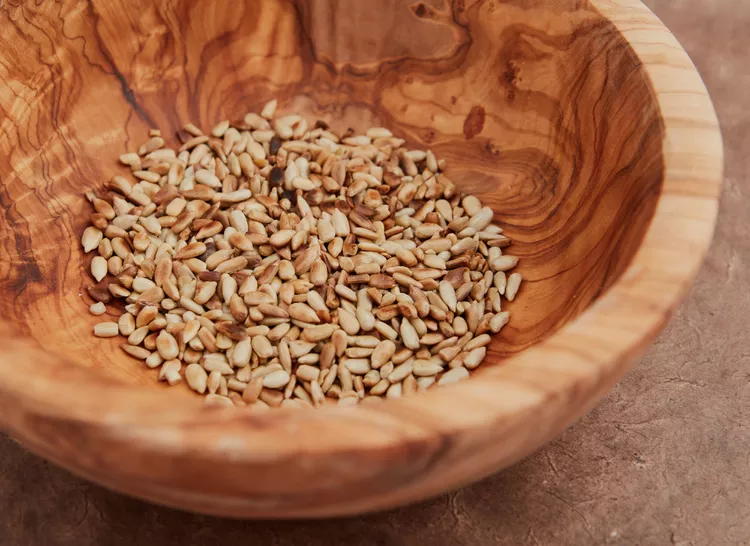
Wild sunflower seeds for planting ( Helianthus annuus) represent a foundational element in ecological restoration, wildlife habitat enhancement, and increasingly, in specialized agricultural applications. Positioned within the broader seed industry, these seeds differ significantly from commercially bred, high-yield sunflower varieties primarily in their genetic diversity and adaptation to challenging environmental conditions. Their inherent robustness and minimal input requirements differentiate them as a sustainable alternative for land rehabilitation and biodiversity support. Core performance characteristics revolve around germination rate, seedling vigor, oil content (relevant for wildlife nutrition), and resistance to common sunflower diseases and pests, all contributing to successful establishment and long-term ecological function. A critical industry pain point lies in maintaining genetic purity and viability during storage and transportation, coupled with ensuring consistent seed quality across varied geographical origins and harvesting practices. The economic viability is also impacted by effective weed control during early establishment, which requires careful consideration of herbicide compatibility and application timing.
Material Science & Manufacturing
The core material science of wild sunflower seeds centers around their endosperm composition—primarily carbohydrates, proteins, and lipids—enclosed within a protective pericarp (seed coat). The endosperm provides the energy reserves for germination and seedling development. The lipid content, ranging from 30-50% depending on variety and growing conditions, is largely composed of linoleic acid and oleic acid, crucial for nutritional value for birds and small mammals. The pericarp's structure dictates seed dormancy and water permeability. Manufacturing, or rather, the processes leading to a commercially viable seed lot, begins with field cultivation and harvesting. Optimal harvesting time is critical; seeds must be physiologically mature (blackening of the seed back) but before significant shattering occurs. Mechanical harvesting utilizing combine harvesters is standard, followed by cleaning—a multi-stage process involving screening, aspiration (air separation), and sometimes gravity separation to remove chaff, weed seeds, and other debris. Key parameter control includes maintaining seed moisture content (typically 8-10%) during drying to prevent mold growth and maintain viability. Seed size uniformity is also vital for precision planting. Storage conditions – cool, dry, and dark – are paramount to prevent lipid oxidation and loss of germination capacity. Contamination with fungal pathogens, specifically Alternaria and Fusarium, is a major concern mitigated through seed treatment with fungicides, following stringent regulatory guidelines.
Performance & Engineering
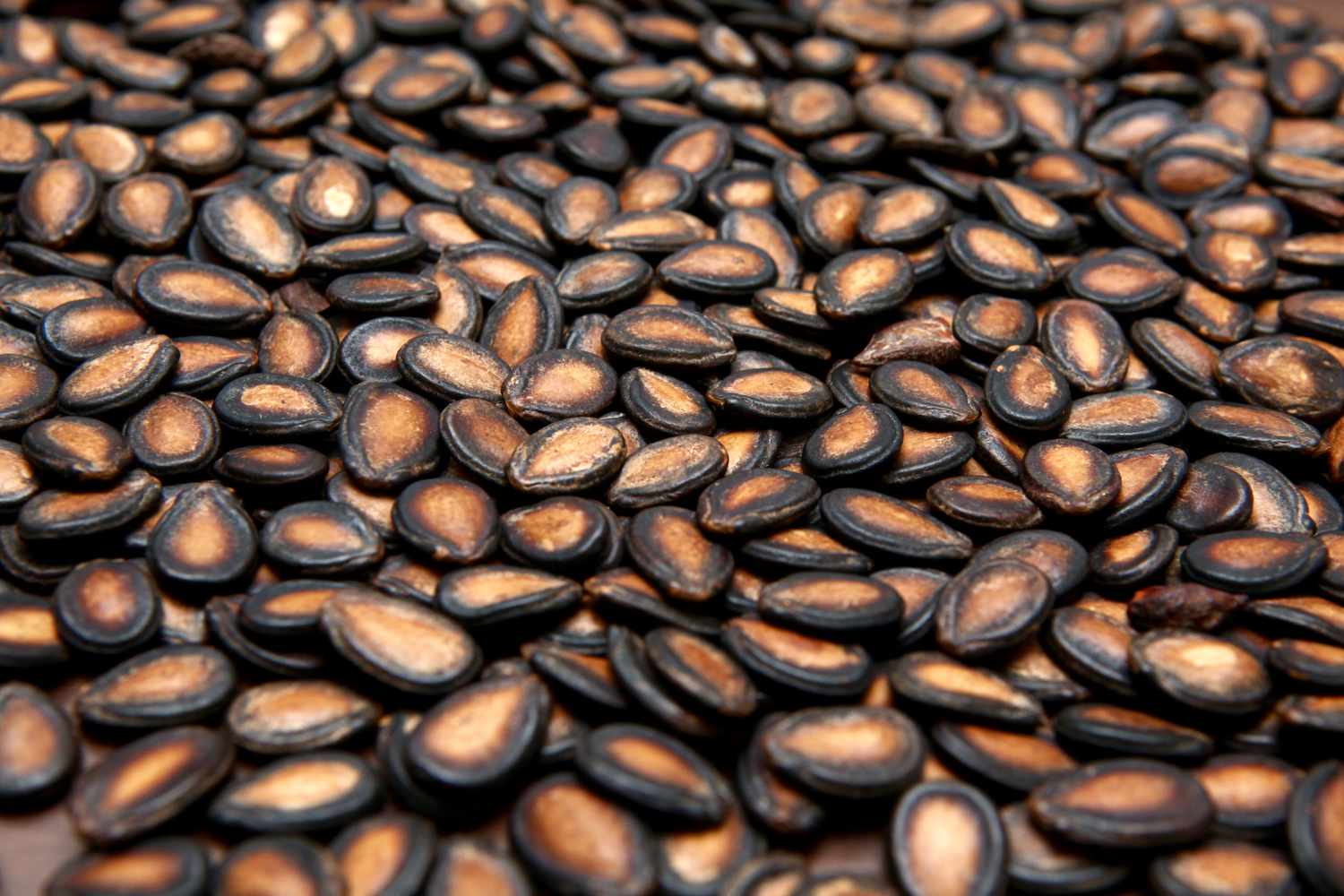
Performance evaluation of wild sunflower seeds extends beyond simple germination rates. Seedling vigor, assessed by measuring root and shoot length within the first week post-emergence, directly correlates with competitive ability against weeds. Environmental resistance is crucial; wild sunflowers demonstrate tolerance to a wider range of soil pH, salinity, and drought conditions compared to cultivated varieties. Force analysis isn't typically applied to individual seeds, but bulk density and flowability are critical engineering considerations for mechanical planting equipment. Compliance requirements depend heavily on the intended use. For habitat restoration projects, adherence to native seed standards (e.g., those set by state Departments of Natural Resources) is paramount, ensuring genetic provenance matches the local ecosystem. For agricultural applications, regulations concerning seed purity, germination percentage, and noxious weed seed content (established by organizations like AOSCA - Association of Official Seed Certifying Agencies) must be met. Functional implementation involves optimizing seeding rates based on soil type, moisture availability, and competition pressure. Consideration must also be given to stratification requirements for certain wild sunflower ecotypes, mimicking natural winter chilling to break dormancy and enhance germination.
Technical Specifications
| Parameter | Unit | Typical Range (Wild Sunflower) | Cultivated Sunflower (Comparison) |
|---|---|---|---|
| Germination Rate | % | 60-85 | 85-95 |
| Seed Oil Content | % (dry weight) | 30-50 | 40-55 |
| Seed Moisture Content (at harvest) | % | 8-10 | 8-10 |
| 1000-Seed Weight | g | 5-10 | 8-15 |
| Protein Content | % (dry weight) | 18-28 | 20-30 |
| Dormancy Period (average) | Months | 3-6 (variable by ecotype) | Minimal |
Failure Mode & Maintenance
Failure modes in wild sunflower seeds typically manifest as reduced germination rates or complete non-germination. Common causes include physical damage during harvesting or processing (cracking the seed coat, compromising the embryo), fungal infection (leading to embryo death), insect damage (seed predation by stored product pests), and loss of viability due to improper storage. Lipid peroxidation, accelerated by exposure to oxygen, light, and elevated temperatures, is a major degradation pathway. Seedling failures can also occur due to insufficient moisture, soil compaction hindering root emergence, or competition from aggressive weeds. Maintenance, in this context, refers to optimal seed storage practices. Maintaining a consistent temperature below 10°C and a relative humidity below 50% is crucial. Regular monitoring for insect infestation is recommended. Seed treatment with fungicides and insecticides, adhering to local regulations, can enhance long-term storage stability. For planted seeds, weed control measures are essential during the first 6-8 weeks post-emergence. Periodic viability testing (e.g., tetrazolium tests) can assess seed quality over time and inform replanting strategies. Failure analysis should involve microscopic examination of seeds to identify physical damage, fungal structures, or insect feeding damage.
Industry FAQ
Q: What is the typical shelf life of wild sunflower seeds, and how does that compare to conventional sunflower seeds?
A: Typically, wild sunflower seeds, when stored correctly (cool, dry, dark), maintain viable germination for 3-5 years. This is generally shorter than conventionally bred sunflower seeds which can remain viable for up to 6-8 years due to genetic selection for improved storage stability and more robust seed coats. The shorter shelf life of wild types is attributed to their greater genetic diversity and often, a less developed protective pericarp.
Q: How do different ecotypes of wild sunflower seeds affect germination rates in varying climate conditions?
A: Wild sunflower seeds exhibit significant ecotypic variation. Seeds sourced from arid regions generally demonstrate higher germination rates under drought stress but may have slower germination in high-humidity environments. Conversely, seeds from wetter climates may exhibit faster initial germination but reduced tolerance to prolonged drought. Matching the seed source ecotype to the target planting environment is critical for maximizing establishment success.
Q: What are the key considerations for herbicide compatibility when using wild sunflower seeds in a restoration project?
A: Wild sunflowers exhibit variable tolerance to herbicides. Pre-emergent herbicides containing glyphosate or metribuzin can significantly reduce germination rates. Post-emergent herbicides should be carefully selected to avoid non-target damage. Spot spraying or hand weeding are often preferred methods to minimize herbicide exposure. Always consult herbicide labels and conduct small-scale trials to assess compatibility before large-scale application.
Q: What is the impact of seed size variability within a wild sunflower seed lot on planting uniformity and seedling emergence?
A: Significant seed size variability can lead to uneven planting depths and emergence patterns. Smaller seeds may be planted too shallowly and dry out, while larger seeds may be planted too deeply and lack sufficient energy reserves to emerge. Seed grading or the use of precision planters with adjustable seed drop mechanisms can mitigate this issue.
Q: What certifications or quality control measures should I look for when purchasing wild sunflower seeds for a large-scale restoration project?
A: Look for seeds certified by a reputable seed certifying agency (e.g., AOSCA in the US). Certification guarantees adherence to standards for germination percentage, purity, and noxious weed seed content. Also, inquire about the seed source and genetic provenance to ensure the seeds are appropriate for the intended restoration site. A seed analysis report detailing germination tests and purity assessments should be readily available.
Conclusion
Wild sunflower seeds for planting represent a valuable resource for ecological restoration and sustainable land management. Their inherent genetic diversity and adaptation to challenging environments provide a robust solution for establishing vegetation in disturbed areas. Successful implementation hinges on understanding the complex interplay between seed quality, storage conditions, planting techniques, and environmental factors. A rigorous approach to seed sourcing, quality control, and post-planting management is essential to maximize establishment rates and achieve long-term ecological benefits.
Future research should focus on identifying and propagating wild sunflower ecotypes with enhanced drought tolerance, disease resistance, and seedling vigor. Developing cost-effective seed treatment methods to improve storage stability and germination rates is also crucial. Furthermore, integrating wild sunflower seeds into broader landscape-scale restoration strategies, coupled with careful monitoring of ecological outcomes, will contribute to the long-term success of these valuable plant resources.
