Introduction
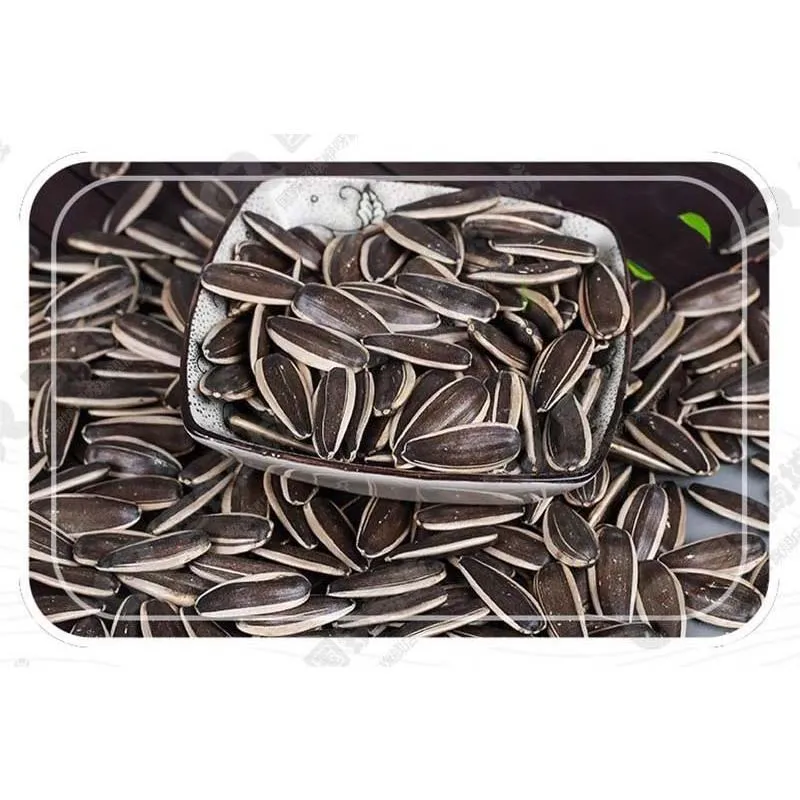
Wild sunflower seeds ( Helianthus annuus) for planting represent a critical component of the agricultural supply chain, serving as a foundational input for oilseed production, bird feed, and increasingly, human consumption markets. These seeds are distinct from their cultivated counterparts, exhibiting genetic diversity adapted to harsh environmental conditions. From a manufacturing perspective, processing wild sunflower seeds involves careful harvesting, drying, dehulling, and grading, followed by treatment to enhance germination rates and protect against pests and diseases. Their position within the industry chain places them as the initiating material for significant downstream processing. Core performance characteristics defining quality include germination percentage, oil content, seed size consistency, and genetic purity, factors paramount to optimizing yield and minimizing agricultural input costs for growers. The rising demand for non-GMO and naturally sourced oils significantly increases the value and specification demands placed on wild sunflower seed manufacturers.
Material Science & Manufacturing
The primary material science governing wild sunflower seed quality centers around the composition of the seed itself. The kernel comprises approximately 40-50% oil, primarily linoleic acid (an omega-6 fatty acid), oleic acid (a monounsaturated fatty acid), and palmitic acid. Protein content ranges from 18-25%, largely globulins and albumins. The hull, or pericarp, is composed of cellulose, hemicellulose, and lignin, providing structural integrity and protection. Raw material variability is significant, influenced by geographic origin, rainfall patterns, and soil composition. Manufacturing begins with harvesting, ideally at full maturity, indicated by the back of the seed head turning yellow-brown and seeds becoming firm. Drying is crucial, reducing moisture content to approximately 8-10% to prevent fungal growth and maintain viability; this is typically achieved using forced-air dryers with temperature control to avoid damaging the oil. Dehulling separates the kernel from the hull, often employing mechanical abrasion techniques. Precise control of impeller speed and impact force is critical to minimize kernel damage. Grading by seed size is conducted using screens, separating seeds into various fractions to ensure uniformity. Seed treatment, involving fungicides and insecticides, is commonly applied to protect against storage pests and soilborne diseases. Key parameter control during manufacturing includes maintaining drying temperatures below 45°C, minimizing kernel breakage during dehulling (target < 5%), and ensuring accurate application rates of seed treatments.
Performance & Engineering
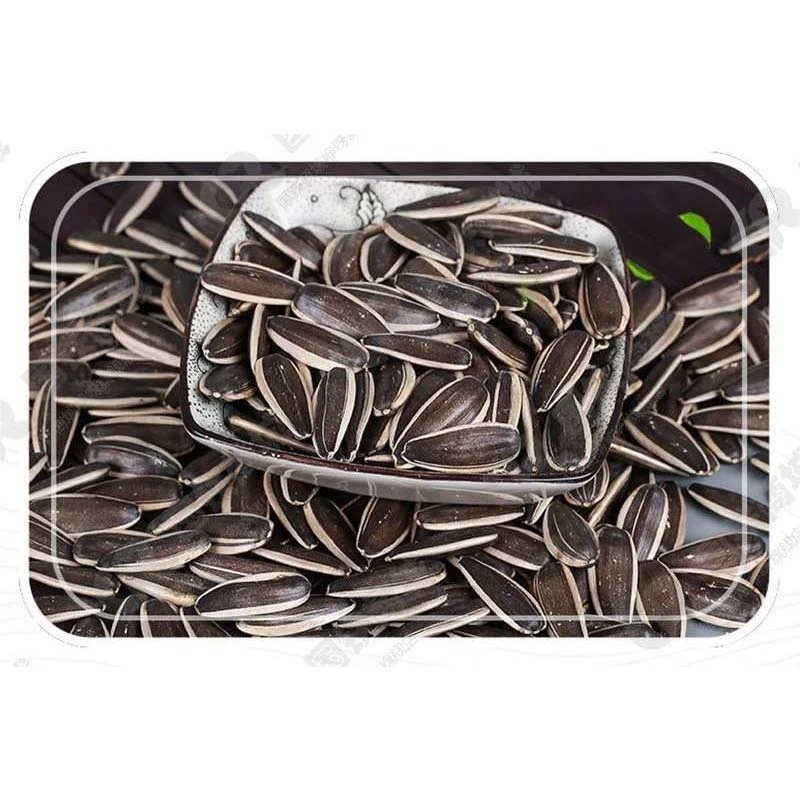
Performance analysis of wild sunflower seeds is intrinsically linked to their germination capacity and subsequent seedling vigor. Force analysis during planting considers the force required to penetrate the soil, which is influenced by seed size, shape, and hull strength. Environmental resistance is critical; seeds must withstand temperature fluctuations, moisture stress, and exposure to UV radiation. Compliance requirements dictate adherence to seed testing standards established by regulatory bodies. Seed pelleting, coating seeds with clay or polymer materials, improves handling, flowability, and protection against pests and diseases. Germination percentage, a primary performance indicator, is evaluated under controlled laboratory conditions (temperature, humidity, light). Viability testing, utilizing tetrazolium chloride staining, assesses the metabolic activity of the embryo. Seedling vigor, measured by root length and shoot height, correlates with field establishment rates. Engineering considerations extend to storage facility design, focusing on temperature and humidity control to prevent seed deterioration. Optimal storage conditions are typically 10-15°C and 50-60% relative humidity. Proper ventilation is also essential to prevent condensation and mold growth. Further, the engineering of seed treatments to ensure even coverage and minimal environmental impact is a growing area of focus.
Technical Specifications
| Parameter | Unit | Typical Value (Wild Sunflower Seeds) | Testing Method |
|---|---|---|---|
| Germination Percentage | % | 85-95 | ISTA Method |
| Oil Content | % (Dry Weight Basis) | 40-50 | Soxhlet Extraction |
| Moisture Content | % | 8-10 | Oven Drying Method |
| Seed Size (1000-Seed Weight) | g | 3-6 | Seed Counting & Weighing |
| Purity (Percentage of Wild Sunflower Seeds) | % | 98-99.5 | Visual Inspection & Seed Identification |
| Inert Matter | % | <1 | Screening & Weighing |
Failure Mode & Maintenance
Failure modes in wild sunflower seeds are diverse and can significantly impact planting success. A primary failure mode is reduced germination due to seed aging, improper storage, or mechanical damage during processing. This manifests as delayed or failed emergence. Another critical failure mode is susceptibility to fungal infections (e.g., Alternaria, Fusarium), leading to seed decay and seedling damping-off. Insect infestation by storage pests (e.g., weevils, moths) can also reduce seed viability. Physical damage, such as kernel cracking or hull abrasion, compromises seed integrity and increases vulnerability to pathogens. Genetic degradation over successive generations, due to outcrossing with cultivated varieties, can result in reduced adaptation to wild environments. Maintenance protocols focus on preventing these failures. This includes strict adherence to optimal storage conditions (temperature, humidity, ventilation). Regular monitoring for pest infestations and application of appropriate insecticides. Implementation of robust quality control procedures during processing to minimize mechanical damage. Maintaining genetic purity through careful source seed selection and isolation of planting fields. Regular viability testing to assess seed quality and identify potential issues before planting. Seed treatment application prior to storage to provide long-term protection against pathogens.
Industry FAQ
Q: What is the impact of seed size variability on planting uniformity with mechanical planters?
A: Significant seed size variability can lead to inconsistent seed metering and spacing within mechanical planters. Smaller seeds may fall into the furrow prematurely or be skipped entirely, resulting in gaps in the planting row. Larger seeds can cause blockage in the seed tube or inconsistent singulation. Consistent seed sizing, achieved through effective grading during manufacturing, is critical for optimizing planting uniformity and maximizing plant population density.
Q: How does the oil content of wild sunflower seeds affect their storage stability?
A: Higher oil content seeds are more prone to oxidative degradation during storage, especially at elevated temperatures. This process leads to rancidity, reduced germination percentage, and decreased nutritional value. Antioxidant seed treatments and careful temperature control are essential for preserving oil quality and maintaining seed viability during long-term storage.
Q: What are the common methods for assessing seed treatment efficacy?
A: Efficacy is assessed through laboratory bioassays, exposing treated and untreated seeds to fungal or insect pathogens under controlled conditions. Germination percentage and seedling vigor are then compared. Field trials are also conducted to evaluate the performance of treated seeds under real-world planting conditions, assessing plant population, disease incidence, and yield.
Q: What genetic considerations are important in maintaining the “wild” characteristics of these seeds?
A: Maintaining genetic purity requires careful selection of source material from geographically isolated populations. Avoiding cross-pollination with cultivated sunflower varieties is critical; this is achieved through spatial isolation and, sometimes, controlled pollination techniques. Regular genetic analysis (e.g., molecular markers) is employed to monitor genetic drift and ensure the retention of desirable wild traits, such as drought tolerance and pest resistance.
Q: What is the role of seed dormancy in wild sunflower seed production, and how is it managed?
A: Wild sunflower seeds often exhibit dormancy, preventing immediate germination even under favorable conditions. This is an adaptive mechanism ensuring germination occurs at the optimal time of year. Dormancy can be overcome through stratification (cold, moist storage) or scarification (physical abrasion of the seed coat). Manufacturers often employ controlled stratification processes to synchronize germination and ensure uniform seedling emergence.
Conclusion
Wild sunflower seed manufacturing is a complex process demanding meticulous attention to detail, from raw material sourcing to final product treatment. Achieving consistent quality – defined by high germination rates, optimal oil content, and genetic purity – requires a thorough understanding of seed biology, rigorous quality control procedures, and adherence to established industry standards. The increasing demand for sustainable and naturally sourced agricultural inputs further emphasizes the importance of optimizing these processes to deliver high-performing, reliable seed products.
Looking forward, advancements in seed treatment technologies, genetic marker-assisted selection, and precision drying techniques will likely play a key role in enhancing the quality and efficiency of wild sunflower seed production. Further research focused on understanding the genetic basis of drought tolerance and pest resistance will be crucial for adapting these seeds to changing environmental conditions and minimizing agricultural inputs. Maintaining a strong focus on traceability and transparency throughout the supply chain will also be essential for building trust and meeting the evolving demands of the agricultural market.
