Introduction
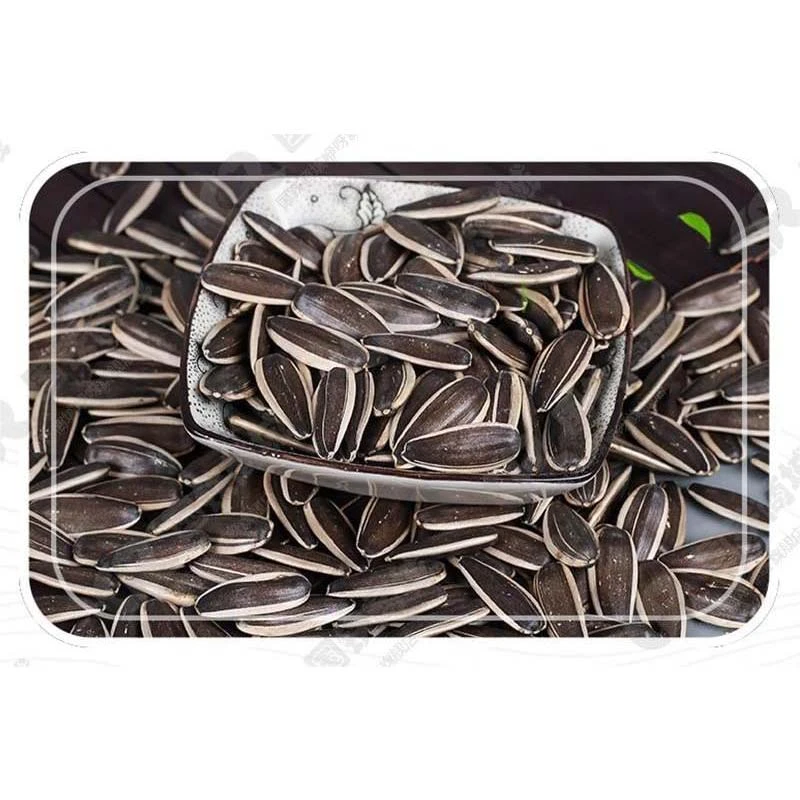
Wild sunflower seeds ( Helianthus annuus) for planting represent a critical component in agricultural biodiversity, forage production, and increasingly, the emerging market for oilseed crops adapted to marginal lands. These seeds differ significantly from commercially cultivated sunflower varieties, exhibiting greater genetic diversity, drought tolerance, and resilience to pest pressures. Their technical position within the agricultural supply chain extends from seed production and cleaning, through distribution to farmers, ranchers, and land restoration projects. Core performance characteristics are defined by germination rate, genetic purity, oil content (where applicable), and the ability to establish robust, self-sustaining populations in diverse environmental conditions. Understanding these characteristics is paramount to ensuring successful establishment and maximizing the agronomic benefits of wild sunflower populations.
Material Science & Manufacturing
The foundational material science of wild sunflower seeds begins with the seed coat, a complex structure composed primarily of lignin, cellulose, and various phenolic compounds. This outer layer provides physical protection against mechanical damage, pathogen ingress, and premature germination. Its permeability influences water uptake rates, critical for initiating the germination process. Internally, the endosperm provides the primary nutrient reserve, rich in carbohydrates (starch), proteins, and lipids, which fuel seedling development. The embryo itself contains the nascent plant, with a radicle (root), plumule (shoot), and cotyledons (seed leaves).
Manufacturing processes, while seemingly simple, are vital for maintaining seed viability and quality. Harvesting typically occurs when seed heads are mature and dry, minimizing fungal growth and mechanical damage. Cleaning involves a multi-stage process: initial removal of chaff and debris via sieving and air separation; followed by specific gravity separation to remove lighter impurities; and finally, aspiration to remove residual dust and small particles. Seed treatment, often employing inert coatings and fungicide applications, protects against soilborne pathogens during germination. Key parameter control during manufacturing centers on moisture content (maintained below 8.5% to prevent fungal growth), seed temperature (avoiding overheating during cleaning), and mechanical impact (minimizing seed cracking and embryo damage). The genetic integrity of the seeds is also maintained through careful segregation of wild sunflower varieties based on specific phenotypic traits and geographic origin.

Performance & Engineering
Performance assessment of wild sunflower seeds necessitates consideration of several key engineering principles. Germination energy, the percentage of seeds germinating within a defined timeframe (typically 5-7 days), is a critical indicator of seed vigor and viability. This is directly related to seed dormancy mechanisms and the concentration of plant growth regulators within the embryo. Seedling emergence rates are influenced by soil moisture, temperature, and the seed’s ability to overcome soil crusting. Force analysis, particularly tensile strength of the seed coat, is important for withstanding mechanical stresses during planting and handling. Environmental resistance is paramount, given the intended applications of wild sunflower seeds often involve marginal lands subject to drought, salinity, or nutrient deficiency. The species’ ability to establish and reproduce under these conditions is dictated by its physiological and genetic adaptations. Compliance requirements related to seed purity (absence of weed seeds) and pathogen screening (e.g., Phoma and Sclerotinia) are often mandated by regulatory bodies within importing countries. Oil content, if a target trait, is assessed via Soxhlet extraction, providing data on the potential for biofuel production or animal feed supplementation.
Technical Specifications
| Germination Rate (%) | Seed Moisture Content (%) | Oil Content (%) (Dry Weight Basis) | Genetic Purity (%) |
|---|---|---|---|
| 85-95 | 6.0 - 8.5 | 20-45 (variable by ecotype) | 98-99 |
| 80-88 (under stress conditions) | < 7.0 (for long-term storage) | 15-35 (depending on subspecies) | 97-98 |
| >70 (for specific restoration projects) | 8.0 - 9.0 (immediately after harvest) | 30-50 (high-oil cultivars) | 95-97 |
| 75-85 (for drought-tolerant varieties) | 6.5-7.5 (optimized for storage) | 25-40 (average range) | 99 |
| 60-70 (for saline soil tolerance) | < 6.0 (extended storage) | 10-25 (lower oil content) | 96-98 |
| 90-97 (certified seed lots) | 7.0-8.0 | 35-50 (selected for oil production) | >99 |
Failure Mode & Maintenance
Failure modes for wild sunflower seeds can manifest at several stages. During storage, primary failure is linked to loss of viability due to moisture absorption and subsequent fungal growth (e.g., Aspergillus). This results in reduced germination rates and seedling vigor. Mechanical damage during handling and planting can cause embryo injury, hindering germination. In the field, pre-emergence damping-off, caused by soilborne pathogens (e.g., Pythium, Rhizoctonia), is a significant threat, particularly in poorly drained soils. Post-emergence failures can stem from herbivore damage (birds, insects), nutrient deficiencies, or drought stress. Failure to establish can also occur if the seeds are planted at insufficient depth or in compacted soils.
Maintenance and preventative measures are crucial. Proper storage involves maintaining low moisture content (<8.5%), cool temperatures (<15°C), and airtight containers. Seed treatment with fungicides and insecticides can mitigate pathogen and insect damage. Selecting appropriate planting depths based on soil type and moisture availability is essential. Implementing integrated pest management strategies reduces herbivore pressure. Soil testing and fertilization address nutrient deficiencies. For long-term preservation of genetic diversity, establishing seed banks and regularly regenerating seed populations are vital. Monitoring germination rates annually provides an early indication of seed quality decline.
Industry FAQ
Q: What is the typical shelf life of your wild sunflower seeds, and how should they be stored to maximize viability?
A: Under optimal storage conditions – cool temperatures (below 15°C), low humidity (below 60%), and airtight containers – our wild sunflower seeds typically maintain 85% germination rate for 3-5 years. Regular monitoring of germination rates is recommended, especially after 3 years. We advise against storing seeds in warm, humid environments.
Q: How do you ensure the genetic purity of your wild sunflower seed lots?
A: We maintain genetic purity through rigorous source tracing of seed collections, controlled pollination within designated breeding plots, and post-harvest quality control measures, including morphological and molecular marker analysis. We focus on preserving unique ecotypes adapted to specific environmental conditions.
Q: Are your seeds treated with any chemicals, and if so, what are they? Are organic options available?
A: Some seed lots are treated with broad-spectrum fungicides (e.g., Thiram, Captan) to protect against soilborne pathogens during germination. However, we also offer untreated and certified organic seed options upon request. Documentation of treatment protocols is available upon request.
Q: What is the recommended seeding rate for different applications, such as pasture improvement versus land restoration?
A: Recommended seeding rates vary depending on the application. For pasture improvement, a rate of 5-10 kg/hectare is generally recommended. For land restoration projects, particularly in degraded soils, a higher rate of 10-15 kg/hectare may be necessary to ensure adequate plant establishment and cover.
Q: What is your quality control process for detecting weed seeds and other contaminants in your seed lots?
A: We employ a multi-stage quality control process, beginning with visual inspection during cleaning. This is followed by laboratory analysis using seed blowers, sieves, and microscopic examination to identify and quantify weed seeds and other contaminants. We adhere to stringent purity standards (typically >98% purity) and provide seed analysis certificates with each lot.
Conclusion
Wild sunflower seeds represent a valuable resource for a diverse range of applications, from enhancing agricultural biodiversity to restoring degraded lands. Their performance is inextricably linked to material properties of the seed itself, meticulous manufacturing processes, and a nuanced understanding of environmental interactions. Maintaining seed viability through proper storage and quality control is paramount.
Continued research into the genetic diversity of wild sunflower populations, coupled with advancements in seed treatment technologies, will further enhance their utility in sustainable agriculture and ecological restoration. The future of wild sunflower seed utilization lies in harnessing their inherent resilience and adaptability to address pressing challenges related to food security, land degradation, and climate change.
