Introduction
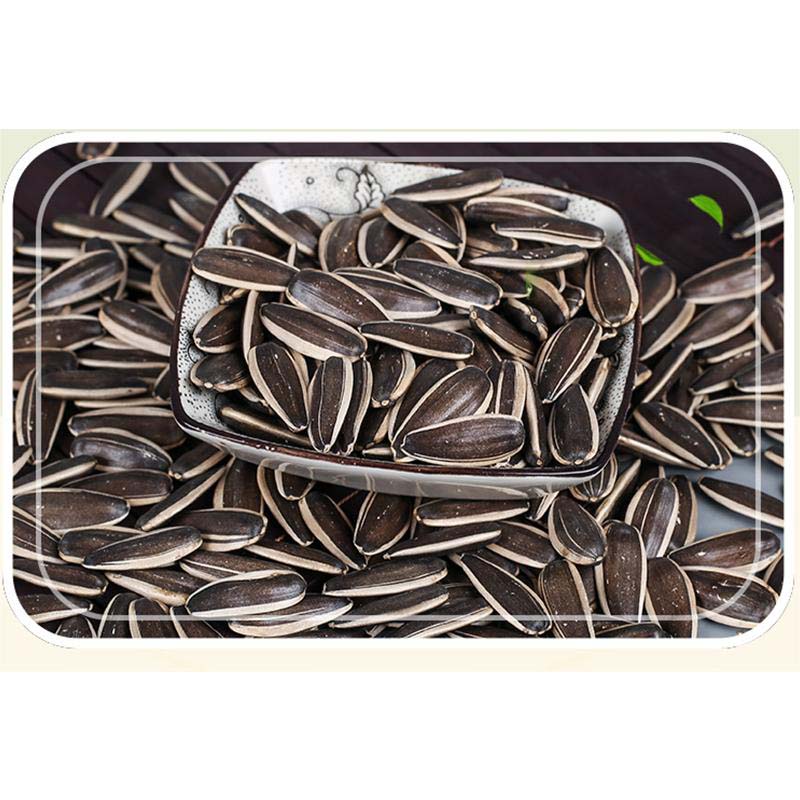
Wild sunflower (Helianthus annuus) seeds for factory planting represent a critical input for oilseed production, confectionery applications, and increasingly, bioplastic feedstocks. Unlike conventional, highly-bred sunflower varieties optimized for single, high-yield harvests, wild sunflower seeds prioritize genetic diversity and resilience. This makes them particularly valuable in controlled environment agriculture (CEA) facilities – ‘planting factories’ – where maintaining consistent yield under potentially stressful conditions is paramount. Their technical position resides within the broader agricultural supply chain, acting as the foundational biological material influencing subsequent processing efficiencies and final product quality. Core performance characteristics include germination rate, oil content (typically 38-55% depending on subspecies), protein levels, and fatty acid profiles, all of which are stringently controlled during seed selection and pre-conditioning for factory planting. The inherent genetic variation within wild sunflower seed populations offers a buffer against localized disease outbreaks and evolving pest pressures, a significant advantage over monoculture systems.
Material Science & Manufacturing
The core material science of wild sunflower seeds revolves around their complex biochemical composition. The seed comprises a hull (pericarp), kernel (cotyledons), and embryo. The hull, composed primarily of cellulose and lignin, provides physical protection. The kernel is rich in oil, primarily triglycerides of linoleic, oleic, and palmitic acids. Protein content, largely globulins and albumins, is crucial for seedling development. Manufacturing processes for preparing seeds for factory planting begin with harvesting and drying to a moisture content of approximately 9-10%. This is crucial to prevent fungal growth during storage and optimize germination. Seed cleaning removes chaff, weed seeds, and other debris using a combination of sieving, air separation, and electrostatic methods. Seed coating, often with polymer films incorporating fungicides, insecticides, or micronutrients, is a critical step. Parameter control focuses on coating uniformity (measured by weight variance between seeds), active ingredient concentration (verified through HPLC analysis), and abrasion resistance (assessed via a standardized abrasion test). The genetic purity of the seed lot is maintained through rigorous pedigree tracking and quality control measures involving DNA fingerprinting techniques. Furthermore, pre-conditioning treatments like priming (controlled hydration) are utilized to accelerate germination rates and improve seedling uniformity in the factory environment. Seed storage conditions – temperature (≤10°C) and humidity (≤60%) – are rigorously monitored to preserve viability.
Performance & Engineering
Performance evaluation centers on germination rate, seedling vigor, and subsequent oil yield in a controlled factory environment. Germination rate is typically assessed using a standard germination test (ISTA rules) under controlled temperature (25°C) and moisture conditions. Seedling vigor is evaluated based on root length, shoot length, and dry weight, providing insights into early growth potential. Engineering considerations involve the design of automated seed dispensing and planting systems within the factory. Seed size and shape variability can affect metering accuracy in these systems, necessitating precise calibration and quality control. Environmental resistance is paramount. Wild sunflower seeds, due to their genetic diversity, demonstrate increased tolerance to salinity, drought stress, and temperature fluctuations compared to cultivated varieties. However, optimizing growth parameters (light intensity, nutrient solution composition, CO2 concentration) within the factory setting is crucial to maximize yield. Compliance requirements include adherence to phytosanitary regulations for seed import/export (e.g., ISPM 8) and regulations governing the use of seed treatments (e.g., EPA guidelines in the US, EU regulations). Force analysis, particularly during seed handling and planting, must account for seed fragility to minimize damage and maintain viability. Finite element analysis (FEA) can be utilized to optimize seed handling system designs.
Technical Specifications
| Parameter | Units | Typical Range (Wild Sunflower) | Testing Method |
|---|---|---|---|
| Germination Rate | % | 85-95 | ISTA Standard |
| Oil Content | % (Dry Weight Basis) | 38-55 | Soxhlet Extraction (AOCS Method) |
| Protein Content | % (Dry Weight Basis) | 15-25 | Kjeldahl Method (AOCS Method) |
| Moisture Content | % | 9-10 | Oven Drying Method (ISTA) |
| 1000-Seed Weight | g | 5-10 | Weighting method (ISTA) |
| Seed Purity | % | ≥98 | Visual Inspection & Seed Identification |
Failure Mode & Maintenance
Failure modes in wild sunflower seed performance within a factory planting context primarily stem from compromised seed viability and seedling health. Common failures include: 1) Poor Germination: Caused by seed dormancy issues, inadequate moisture levels during pre-germination, or damage to the embryo. Maintenance involves optimizing pre-conditioning treatments and ensuring consistent humidity control. 2) Seed-Borne Diseases: Fungal pathogens (e.g., Alternaria, Fusarium) can cause seedling blight and damping-off. Maintenance requires preventative seed treatment with appropriate fungicides and sterilization of planting equipment. 3) Mechanical Damage: Abrasion or cracking during handling/planting can compromise seed viability. Maintenance involves optimizing seed handling systems and minimizing impact forces. 4) Nutrient Deficiencies: Insufficient micronutrient availability in the seedling stage can hinder growth. Maintenance includes seed coating with micronutrients and precise control of nutrient solution composition. 5) Oxidative Degradation: Exposure to oxygen and light can lead to lipid peroxidation and loss of seed vigor over time. Maintenance requires proper seed storage in sealed containers under cool, dark conditions. Failure analysis involves microscopic examination of seeds to identify damage, pathogen presence, and embryo integrity. Regular seed viability testing and seedling health monitoring are critical preventative maintenance strategies. Root cause analysis of germination failures should also include assessment of seed lot variability and environmental control system performance.
Industry FAQ
Q: What is the advantage of using wild sunflower seeds compared to hybrid varieties in a controlled environment agriculture setting?
A: Wild sunflower seeds possess greater genetic diversity, offering increased resilience to stress factors such as temperature fluctuations, pathogen outbreaks, and minor variations in nutrient availability. Hybrids, while optimized for high yield, often exhibit a narrower genetic base and can be more susceptible to crop failures in non-ideal conditions. This diversity is especially valuable in factory farming where maintaining consistent yields is crucial.
Q: How does seed coating impact performance in a factory planting system?
A: Seed coating provides multiple benefits. It can deliver targeted fungicides and insecticides to prevent seed-borne diseases and pest infestations. It can also encapsulate micronutrients to promote early seedling vigor. Furthermore, polymer coatings can improve seed flowability in automated planting systems and protect seeds from physical damage during handling. Coating uniformity and active ingredient concentration are key parameters to monitor.
Q: What are the critical storage conditions for maintaining seed viability over extended periods?
A: Optimal storage conditions involve maintaining a low temperature (≤10°C) and low humidity (≤60%). Seeds should be stored in airtight containers to prevent moisture absorption and oxidation. Exposure to light should be minimized. Regular monitoring of temperature and humidity is essential, and seed viability testing should be conducted periodically to assess long-term storage performance.
Q: What quality control measures are essential to ensure a consistent seed supply for a planting factory?
A: Essential quality control measures include germination rate testing, seed purity analysis, moisture content determination, and pathogen screening. Regular monitoring of 1000-seed weight ensures consistency in seed size. DNA fingerprinting can be used to verify genetic purity and prevent unintended mixing of seed lots. Detailed record-keeping of seed provenance and processing history is also critical.
Q: How can we mitigate the risk of mechanical damage to seeds during automated planting?
A: Minimizing mechanical damage requires careful optimization of the planting system design. This includes using low-impact dispensing mechanisms, adjusting seed metering rates to prevent seed build-up, and ensuring smooth seed delivery channels. Seed coatings can also provide a degree of physical protection. Regular inspection and maintenance of planting equipment are essential to identify and address potential damage points.
Conclusion
Wild sunflower seeds, while exhibiting natural variability, offer a compelling solution for optimizing crop production within controlled environment agriculture facilities. Their inherent genetic diversity provides a buffer against environmental stresses and disease pressures, making them a robust choice for ‘planting factories’ striving for consistent yields. Successful implementation necessitates stringent quality control throughout the seed production and handling process, from careful harvesting and drying to precise seed coating and storage.
Moving forward, research efforts should focus on identifying and selecting wild sunflower accessions with superior performance characteristics – specifically, higher oil content, improved protein profiles, and enhanced resistance to prevalent pathogens. Further investigation into optimized seed priming and coating technologies will be crucial for maximizing germination rates and seedling vigor in factory settings. Standardization of quality control protocols and the development of rapid diagnostic tools for seed-borne diseases will be vital for ensuring a reliable and sustainable supply of high-quality seeds.
