Introduction
Wild sunflower (Helianthus annuus) seeds for planting represent a significant segment of the agricultural export market, catering to both large-scale agricultural operations and smaller, specialized growers. Distinguished from cultivated sunflower varieties by their genetic diversity and resilience, wild sunflower seeds offer unique advantages in specific agricultural contexts, particularly in regions seeking drought-tolerant or pest-resistant crops. This technical guide provides a comprehensive overview of wild sunflower seed characteristics, production methodologies, performance parameters, potential failure modes, and relevant industry standards, specifically geared towards exporters and international buyers. The core performance centers around germination rates, genetic purity, oil content (though generally lower than cultivated varieties), and adaptability to marginal lands. The primary industry pain point revolves around maintaining genetic integrity during harvesting, processing, and storage, as well as ensuring consistent seed quality meeting diverse international phytosanitary regulations. The role of wild sunflower seeds in biodiversity and sustainable agriculture is also a growing consideration for conscientious buyers.
Material Science & Manufacturing
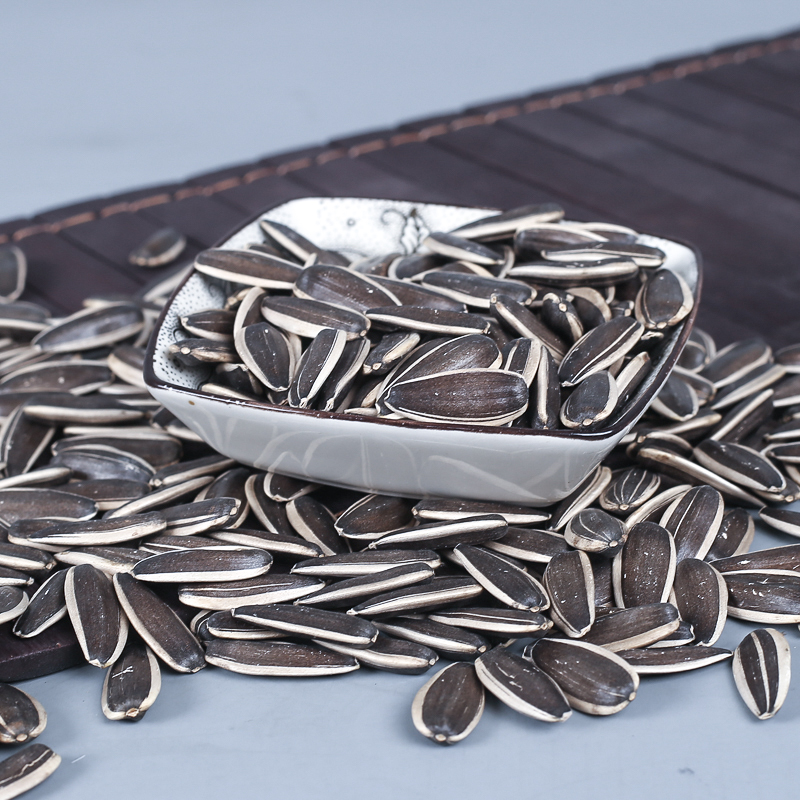
The raw material, wild sunflower seeds, are composed primarily of a hard outer shell (pericarp) offering physical protection, an embryo responsible for germination, and an endosperm providing initial nutrient reserves. Chemically, the seeds contain approximately 30-50% oil, 20-30% protein, and a significant proportion of carbohydrates and fiber. The oil composition consists predominantly of linoleic acid, oleic acid, and palmitic acid. Manufacturing begins with field harvesting, typically employing combine harvesters adjusted for seed retention. Post-harvest processing involves cleaning to remove chaff and debris, drying to reduce moisture content to approximately 8-10% (critical for preventing fungal growth and preserving viability), dehulling (optional, depending on market requirements), grading based on seed size and weight, and finally, seed treatment with fungicides and insecticides to enhance storage life and protect against soilborne pathogens. Key parameter control during drying is paramount; temperature must be carefully regulated below 40°C to avoid denaturing proteins and reducing germination rates. Seed grading is performed using sieves of varying mesh sizes, ensuring uniformity. The chemical compatibility of seed treatment agents with the seed’s natural compounds is crucial – incompatibility can lead to reduced germination or phytotoxicity. The storage environment (temperature, humidity, and aeration) directly impacts seed longevity; ideally, seeds are stored in cool, dry, and well-ventilated facilities.
Performance & Engineering
Performance evaluation of wild sunflower seeds hinges on several key engineering principles. Germination rate, typically measured under controlled laboratory conditions (temperature of 25°C, constant moisture), is a primary indicator of seed viability. Force analysis is relevant during seed handling and planting – seeds must withstand the compressive forces exerted by planting equipment without cracking or sustaining damage. Environmental resistance is a critical factor; wild sunflowers exhibit inherent drought tolerance due to deep root systems and efficient water use strategies. However, they can be susceptible to frost damage during early growth stages. Compliance requirements vary by importing country, with strict regulations concerning seedborne diseases and weed seeds. Functional implementation focuses on the seed’s ability to establish a robust plant capable of producing a viable seed crop. The genetic diversity within wild sunflower populations dictates their adaptability to different soil types and climatic conditions. Soil pH, nutrient availability (nitrogen, phosphorus, potassium), and light intensity significantly influence plant growth and seed production. The seeds' oil content impacts their nutritional value for wildlife and potential for biofuel production, adding a further dimension to performance assessment. Mechanical harvesting efficiency relies on seed head morphology and seed lodging resistance.
Technical Specifications
| Parameter | Unit | Specification | Testing Method |
|---|---|---|---|
| Germination Rate | % | ≥ 75% | ISTA Method 200 |
| Purity | % | ≥ 98% | ISTA Method 200 |
| Moisture Content | % | ≤ 10% | ISTA Method 200 |
| Oil Content | % (dry weight basis) | 30-50% | AOAC Official Method 920.39 |
| Inert Matter | % | ≤ 2% | ISTA Method 200 |
| Seed Size (1000-seed weight) | g | 5-10 g | ISTA Method 200 |
Failure Mode & Maintenance
Wild sunflower seeds are susceptible to several failure modes during storage and planting. Fungal infections (e.g., Alternaria, Fusarium) are common, leading to seed decay and reduced germination. This is exacerbated by high moisture content and inadequate ventilation. Insect infestation (e.g., weevils) can cause significant damage to the embryo, rendering seeds inviable. Mechanical damage during harvesting or processing (cracking, chipping) can compromise seed integrity. Genetic degradation over multiple generations due to poor seed selection can lead to reduced vigor and adaptability. Oxidation of oil content during prolonged storage can reduce nutritional value and germination rates. Maintenance strategies include proper drying and storage conditions (cool, dry, well-ventilated), regular monitoring for pests and diseases, and the implementation of seed treatment protocols. Seed testing for germination rate and purity should be conducted periodically to assess seed quality. Implementing a robust seed sourcing and selection program is critical to preserving genetic integrity. For long-term storage, controlled atmosphere storage (reducing oxygen levels) can significantly extend seed viability. Seed cleaning to remove damaged or diseased seeds is crucial prior to storage. Regular inspection of storage facilities for signs of infestation or moisture buildup is essential for preventative maintenance.
Industry FAQ
Q: What is the typical shelf life of wild sunflower seeds under optimal storage conditions?
A: Under optimal storage conditions (cool temperature – 5°C to 10°C, low humidity – below 60%, and good ventilation), wild sunflower seeds can maintain a germination rate of over 80% for 3-5 years. However, regular seed testing is recommended to monitor viability, especially after 2 years of storage.
Q: What phytosanitary certifications are typically required for exporting wild sunflower seeds?
A: Phytosanitary requirements vary significantly by importing country. Typically, a phytosanitary certificate issued by the exporting country’s national plant protection organization is required. This certificate confirms that the seeds are free from regulated pests and diseases. Some countries may require additional testing for specific pathogens or weed seeds.
Q: How does genetic purity affect the performance of wild sunflower seeds in the field?
A: Genetic purity is critical. Lower genetic purity can result in inconsistent germination rates, reduced vigor, and increased susceptibility to diseases and pests. It also affects the stability of the plant’s traits, potentially leading to off-type plants that do not meet the buyer's expectations.
Q: What are the key differences between wild and cultivated sunflower seeds in terms of oil content and composition?
A: While both contain significant oil content, cultivated sunflower seeds generally have higher oil yields (typically 40-60% vs. 30-50% in wild types). The fatty acid composition can also differ; cultivated varieties often have a higher oleic acid content, while wild types may have a more diverse range of fatty acids.
Q: What methods are used to ensure the seeds are free from weed seeds during processing?
A: Seed cleaning is a multi-stage process that involves sieving, aspiration, and often, the use of gravity separators. These methods effectively remove weed seeds based on differences in size, shape, and weight. Post-cleaning visual inspection is also employed to verify the purity of the seed lot. ISTA methods are employed to ensure quality control.
Conclusion
Wild sunflower seeds represent a valuable resource for specific agricultural applications, offering advantages in terms of drought tolerance and genetic diversity. Successful export requires a rigorous commitment to quality control, encompassing careful harvesting, processing, storage, and adherence to international phytosanitary regulations. Maintaining genetic purity is paramount to ensuring consistent performance in the field and meeting the expectations of discerning buyers.
The future of the wild sunflower seed export market will likely be shaped by increasing demand for sustainable agricultural practices and the need for climate-resilient crops. Exporters who invest in seed improvement programs and adopt advanced processing technologies will be best positioned to capitalize on these emerging trends. Furthermore, transparency regarding seed origin and genetic characteristics will become increasingly important to build trust with buyers and facilitate long-term partnerships.
