Introduction
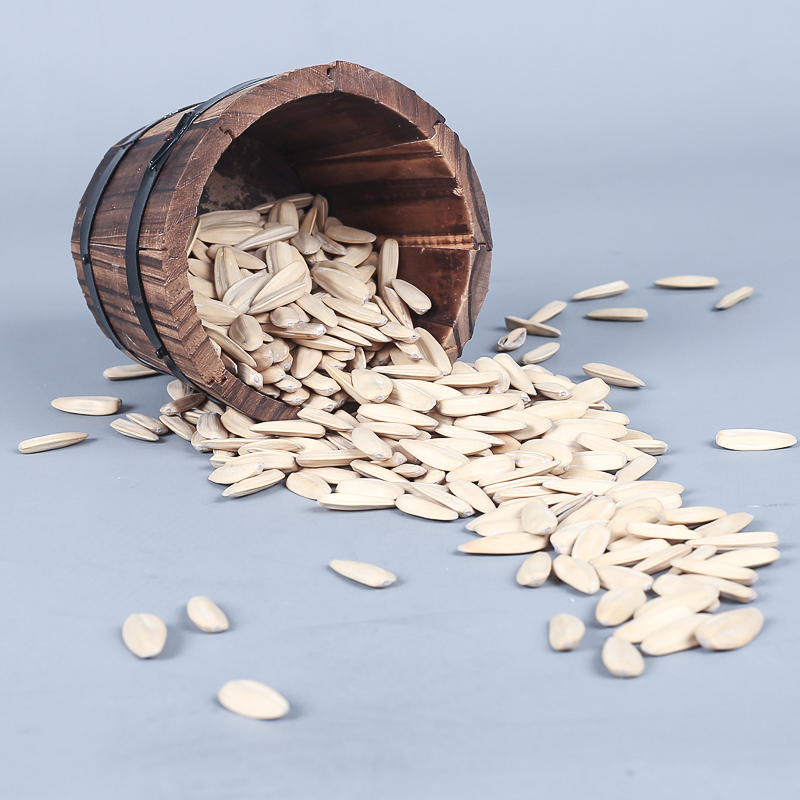
Wild sunflower seeds ( Helianthus annuus) for planting represent a crucial component in the agricultural seed market, serving a diverse range of applications including wildlife food plots, oilseed production, and increasingly, as a source of renewable energy. This guide provides a detailed technical overview of the production, quality control, performance characteristics, and potential failure modes associated with exporting wild sunflower seeds. Unlike conventional sunflower varieties bred for large seed size and oil content, wild sunflower seeds are selected for vigorous growth, broad adaptability to varied soil conditions, and high germination rates in less-than-ideal environments. Their technical position lies between improved agricultural cultivars and truly feral populations, demanding a specific understanding of genetic stability, seed viability preservation, and adherence to international phytosanitary regulations. Core performance characteristics include germination percentage, seed purity, oil content (though generally lower than cultivated varieties), and resistance to common sunflower diseases like rust and downy mildew. A key industry pain point centers around maintaining consistent genetic purity and ensuring freedom from noxious weed seeds, directly impacting agricultural output and export compliance.
Material Science & Manufacturing
The primary raw material, wild sunflower seeds, are comprised of approximately 35-45% oil, 20-30% protein, 15-25% carbohydrate (primarily cellulose in the seed hull), and 5-10% moisture. The oil is rich in linoleic acid, an essential fatty acid. Seed hull composition consists largely of lignin, cellulose, and hemicellulose, providing physical protection and contributing to dormancy. Manufacturing begins with seed selection from established wild sunflower populations, or controlled crosses to maintain desirable traits. Harvesting is typically mechanized, utilizing combine harvesters adjusted for optimal seed retention. Post-harvest processing is critical. Initial cleaning removes chaff, stems, and other debris via air separation and screening. Subsequent drying reduces moisture content to approximately 8-10% to prevent fungal growth and maintain viability during storage and transport. Drying temperature is strictly controlled (typically below 40°C) to avoid damaging seed proteins and lipids. Further processing involves seed grading by size and density, and the removal of foreign seeds (noxious weeds) using optical sorting technology. Seed treatment with fungicide and insecticide is common, complying with importing country regulations. Parameter control during drying is paramount; moisture content is monitored continuously via near-infrared spectroscopy, and air flow/temperature are adjusted accordingly. Genetic analysis, including marker-assisted selection, is used to verify varietal purity.
Performance & Engineering
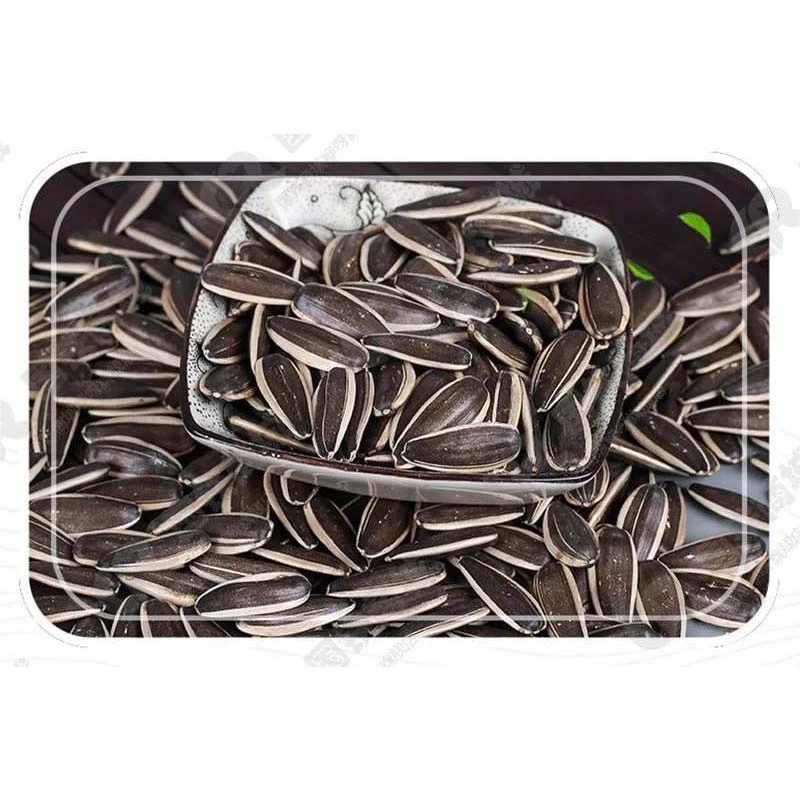
Performance of wild sunflower seeds is assessed through a suite of tests. Germination percentage, determined under controlled laboratory conditions (temperature, moisture, light), is a primary indicator of viability. Force analysis relates to seed hull strength; excessive brittleness can lead to seed damage during handling and planting. Environmental resistance includes tolerance to drought, salinity, and temperature extremes. Seed coatings, often polymeric materials, are applied to enhance seedling emergence and protect against soil-borne pathogens and pests. Compliance requirements are stringent, encompassing phytosanitary certifications (freedom from quarantine pests), weed seed content limits (defined by importing countries), and genetically modified organism (GMO) status declarations. Functional implementation hinges on consistent seed depth and spacing during planting, maximizing access to sunlight, water, and nutrients. The seed's oil content, while lower than cultivated varieties, impacts its caloric value for wildlife applications. Seed size and weight distribution influence metering accuracy in precision planting equipment. Differential thermal analysis (DTA) and thermogravimetric analysis (TGA) are used to characterize seed composition and thermal stability, informing optimal storage conditions.
Technical Specifications
| Parameter | Unit | Typical Value (Wild Sunflower) | Standard Test Method |
|---|---|---|---|
| Germination Percentage | % | 75-90 | ISTA Method 200 |
| Seed Purity | % | ≥98 | ISTA Method 201 |
| Moisture Content | % | 8-10 | ISTA Method 203 |
| Oil Content | % (dry weight basis) | 35-45 | AOAC Method 920.39 |
| Noxious Weed Seed Content | seeds/kg | ≤0.1 | ISTA Method 204 |
| 1000-Seed Weight | g | 5-8 | ISTA Method 206 |
Failure Mode & Maintenance
Failure modes for wild sunflower seeds during export and post-import include reduced germination due to improper storage (high temperature and humidity leading to lipid oxidation and protein denaturation), physical damage during handling (cracking hulls reducing viability), fungal contamination (leading to seed decay and mycotoxin production – Fusarium and Alternaria are common pathogens), and insect infestation (seed beetle – Smynrdites spp.). Fatigue cracking of seed hulls during mechanical processing is also possible. Delamination of seed coatings can reduce their effectiveness. Degradation of oil content over prolonged storage diminishes nutritional value. Oxidation of unsaturated fatty acids leads to rancidity. Maintenance involves strict temperature and humidity control during storage (below 15°C and 60% relative humidity), regular monitoring for pests and pathogens, and implementation of integrated pest management strategies. Seed lots should be tested periodically for germination rate and viability. Proper packaging using moisture-proof and insect-resistant materials is essential. Preventative fungicide treatment before storage and transport can minimize fungal growth. A first-in, first-out (FIFO) inventory management system ensures seed turnover and reduces the risk of prolonged storage.
Industry FAQ
Q: What is the acceptable tolerance for genetically modified (GM) material in a shipment of wild sunflower seeds destined for the European Union?
A: The European Union has a zero-tolerance policy for unauthorized genetically modified organisms. Any shipment containing GM material above 0.9% (based on event-specific PCR detection) will be rejected. Suppliers must provide documented evidence of non-GMO status, typically through PCR testing and a signed declaration.
Q: How are weed seed content limits determined by importing countries, and what are typical thresholds?
A: Weed seed content limits are established by national plant protection organizations to prevent the introduction of invasive species. Thresholds vary; for example, Australia often requires <0.1% weed seeds by weight, while the United States may allow up to 0.5% depending on the specific weed species. ISTA methods are generally used for determination.
Q: What is the impact of seed moisture content on long-term storage viability, and what monitoring methods are recommended?
A: High seed moisture content accelerates respiration and biochemical reactions, leading to reduced viability. Moisture content above 10% significantly increases the risk of fungal growth and lipid oxidation. Near-infrared spectroscopy (NIRS) is the recommended method for rapid and non-destructive moisture content determination. Regular monitoring (weekly during initial storage, then monthly) is essential.
Q: What phytosanitary certifications are typically required for exporting wild sunflower seeds to North America?
A: Typically, a phytosanitary certificate issued by the exporting country’s national plant protection organization is required. This certificate confirms the seeds are free from regulated pests and diseases specific to North America. Specific requirements vary by state/province within North America and may include declarations regarding Sclerotinia head rot and other sunflower diseases.
Q: How does seed size variability affect the performance of mechanical planters?
A: Significant seed size variability can lead to inconsistent metering and spacing during planting. Larger seeds may block metering holes, while smaller seeds may be dropped erratically. Seed grading to achieve a narrow size range improves planter accuracy and seedling emergence.
Conclusion
The successful export of wild sunflower seeds for planting relies on a meticulous understanding of seed physiology, rigorous quality control throughout the manufacturing process, and adherence to stringent international standards. Maintaining genetic purity, optimizing storage conditions to preserve seed viability, and ensuring freedom from pests and noxious weeds are paramount. The technical specifications outlined in this guide provide a benchmark for assessing seed quality and ensuring compliance with importing country regulations.
Future trends in this sector include the development of improved seed coatings for enhanced germination and disease resistance, the application of advanced genetic markers for more efficient breeding programs, and the implementation of blockchain technology for improved traceability and transparency in the supply chain. By prioritizing these technical advancements, exporters can enhance the value proposition of wild sunflower seeds and contribute to sustainable agricultural practices.
