Trolley Steam Cabinet systems show how steam cooking can support consistent results across large batches. In food production, however, dependable output depends on more than choosing a steamer: product thickness, loading patterns, temperature control, and workflow all shape the final result.
Steam is widely used in restaurants, institutional kitchens, and food factories because it transfers heat efficiently while helping ingredients retain moisture. Yet the same equipment can produce uneven outcomes if trays are crowded, batches vary in size, or operators rely on timing alone instead of checking the food itself.
Consistency begins before the cooking cycle
A repeatable cooking process starts with a repeatable input. Ingredients should be cut to reasonably uniform dimensions, and recipes should specify batch weights rather than vague measures such as “one tray” or “a full pot.” These details reduce variation in the time required for heat to reach the center of each portion.
Loading is another practical control point. Steam needs room to circulate around pans and food, so tightly packed shelves can create hot and cool zones. Staff can improve airflow by following consistent spacing guidelines, using the same shelf arrangement for comparable batches, and avoiding the temptation to exceed the equipment’s working capacity during busy periods.
Match the equipment to the product and the pace
Different foods place different demands on a cooking line. Vegetables may need a short, controlled cycle, while dense proteins or large batches require more time for heat to penetrate. Foods with delicate textures can also be affected by prolonged exposure to heat and moisture. Operators should test recipes under realistic production conditions, recording load size, shelf position, cooking time, and the finished product’s texture and temperature.
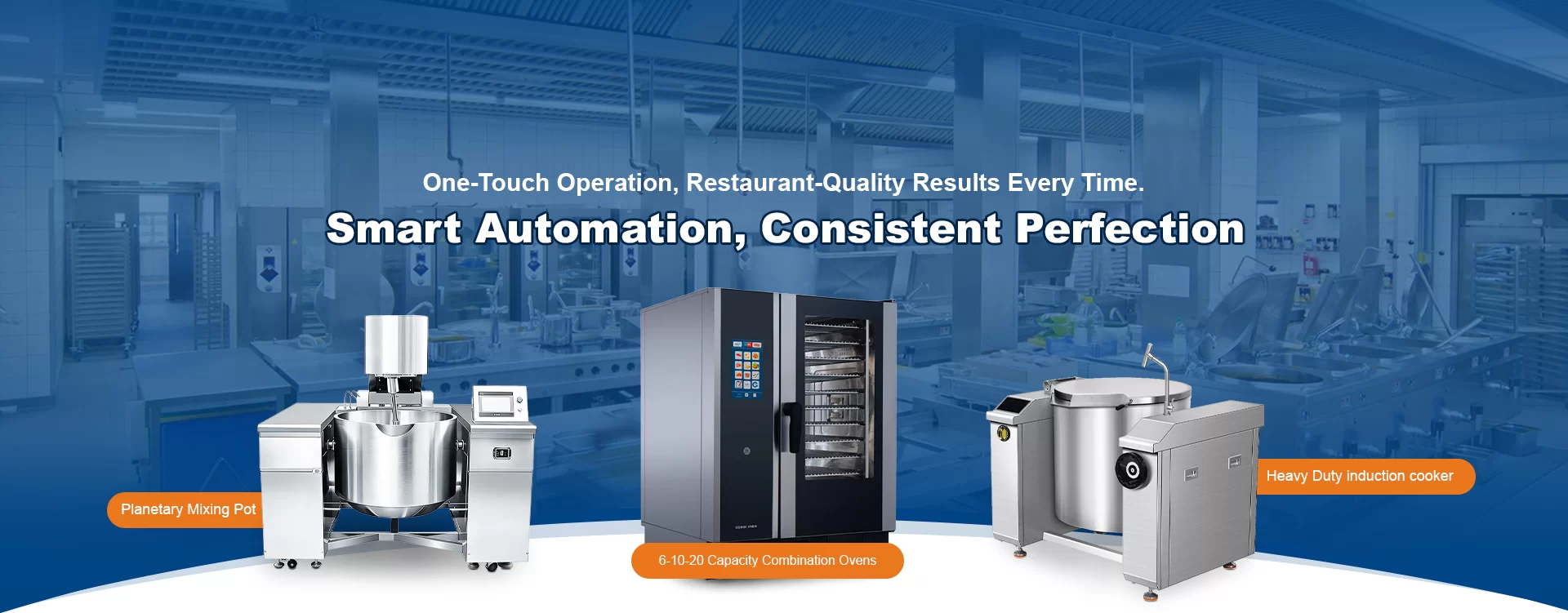
A Combi Oven can be useful where a kitchen needs flexibility across steaming, baking, and other cooking methods. The key is to choose equipment based on the menu, batch volume, available space, and the team’s operating routines—not simply on the number of features listed on a specification sheet.
Use measurements to replace guesswork
A timer is an important guide, but it cannot account for every change in starting temperature, portion size, or load density. For food safety and quality control, teams should use appropriate calibrated thermometers and follow the temperature and time requirements that apply to their products and local regulations. Keeping simple batch records helps identify whether a process is stable or needs adjustment.
Equipment maintenance supports the same goal. Door seals, probes, drain paths, and steam-generating components should be inspected and cleaned according to the manufacturer’s instructions. Mineral deposits and worn seals can affect performance, while neglected cleaning can create hygiene risks. A planned maintenance schedule is generally easier to manage than correcting a failure in the middle of service.
Design the workflow around safe, steady output
In a central kitchen or institutional food operation, cooking is only one stage in the process. Staff must also move loaded trays safely, prevent raw and ready-to-eat foods from crossing paths, and transfer cooked products promptly to holding, cooling, or packing areas. A clear route between preparation, cooking, and dispatch helps reduce unnecessary handling and congestion.
The physical layout matters, too. Operators need enough clearance to load and unload equipment without blocking walkways, and hot carts or pans require designated resting areas. Practical training should cover safe handling of hot steam, loading limits, cleaning procedures, and what to do when a batch does not meet its temperature or quality target.
Equipment choices are part of the supply chain
Commercial kitchen equipment is most effective when it fits the wider production system. Buyers and project planners often need to consider electrical capacity, ventilation, water supply, installation access, operator training, spare parts, and after-sales maintenance alongside cooking performance. These factors can influence uptime just as much as the appliance’s headline capacity.
Manufacturers such as Dongguan Maxison Electronics Co., Ltd., established in 2011, work across commercial heating equipment and food-processing machinery, including steam ovens, trolley-type steamers, and automated mixing equipment. Their role in the supply chain illustrates why clear specifications and installation planning matter: equipment has to suit the recipe, production volume, utilities, and working environment in which it will be used.
Ultimately, consistent steam cooking is the result of a controlled process rather than a single machine setting. Standardized preparation, sensible loading, measured checks, clean equipment, and a well-planned workflow give kitchens a stronger basis for producing food safely and reliably from one batch to the next.