
Introduction
Sunflower seeds ( Helianthus annuus ) supplied to Whole Foods Market represent a critical component of the health food and snack industry. These seeds are not merely a commodity; they are subject to rigorous quality control, traceability requirements, and adherence to organic and non-GMO standards demanded by the consumer base of Whole Foods Market. This technical guide details the material science, manufacturing processes, performance characteristics, potential failure modes, and relevant industry standards pertaining to the sourcing and supply of sunflower seeds to this specific retail environment. The core performance considerations center around seed viability, oil content, protein content, hull integrity, and the absence of contaminants (aflatoxins, pesticides, heavy metals). Suppliers must navigate a complex regulatory landscape and maintain consistent quality across large-scale production runs. The increasing consumer demand for sustainable agricultural practices and transparent supply chains presents a key pain point and opportunity for differentiation within the industry. This guide addresses these factors from a technical perspective.
Material Science & Manufacturing
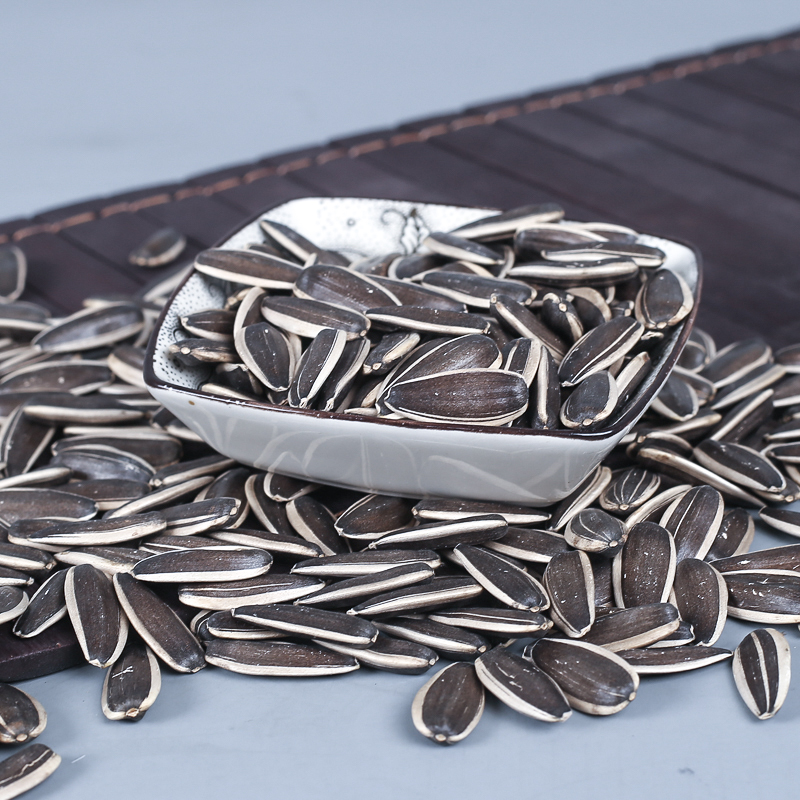
Sunflower seeds, botanically achenes, comprise a hull (pericarp), kernel, and embryo. The hull, typically gray or black, is composed primarily of cellulose and lignin, offering physical protection. Kernel composition consists of approximately 40-50% oil (primarily linoleic acid, an omega-6 fatty acid), 20-30% protein, 10-15% carbohydrate, and trace minerals. Seed oil content varies significantly with genotype and growing conditions. Manufacturing begins with agricultural cultivation, requiring optimized soil conditions (loam preferred, pH 6.0-7.5) and controlled irrigation. Harvesting typically occurs when the seed heads dry, and the back of the head turns yellow-brown. Mechanical harvesting utilizes combine harvesters equipped with threshing and cleaning mechanisms. Post-harvest processing includes cleaning (removal of debris, stems, leaves), drying (to approximately 8-10% moisture content to prevent fungal growth), dehulling (mechanical removal of the hull, impacting seed appearance and flavor), sizing (grading seeds by diameter), and optical sorting (detecting and removing discolored or damaged seeds). Parameter control is critical during drying (temperature and airflow to prevent rancidity), dehulling (adjusting pressure to minimize kernel damage), and sizing (ensuring uniformity for packaging). Seed storage requires controlled temperature (below 15°C) and humidity (below 65%) to maintain viability and prevent lipid oxidation. Contamination control, particularly regarding aflatoxins produced by Aspergillus species, is paramount.
Performance & Engineering
Performance evaluation of sunflower seeds centers around several key engineering principles. Hull strength, measured as resistance to cracking during processing, is critical for minimizing kernel damage and dust formation. Kernel hardness, determined by compression testing, affects milling efficiency and oil extraction yield. Seed moisture content significantly impacts storability; exceeding 10% promotes microbial growth and lipid peroxidation. Oil stability, assessed through Rancimat testing (measuring induction time), indicates resistance to oxidative degradation. The effective barrier function of the hull is evaluated by Water Activity (Aw) measurements, which influence susceptibility to mold. Force analysis is applied during dehulling to optimize pressure settings, balancing hull removal efficiency with kernel integrity. Compliance requirements mandated by Whole Foods Market include adherence to USDA Organic standards (prohibition of synthetic pesticides and fertilizers), Non-GMO Project Verified standards (testing for genetically modified organisms), and stringent limits for heavy metal contamination (lead, cadmium, arsenic). Functional implementation involves consistent seed size and shape for automated packaging lines, and appropriate oil content for downstream processing (e.g., oil production, confectionary applications). Seed viability, determined by germination tests, must meet specified minimums to ensure product quality.
Technical Specifications
| Parameter | Unit | Specification (Whole Foods Market) | Test Method |
|---|---|---|---|
| Moisture Content | % | ≤ 10.0 | AOAC 925.10 |
| Oil Content (Dry Basis) | % | ≥ 40.0 | NMR (Nuclear Magnetic Resonance) |
| Protein Content (Dry Basis) | % | ≥ 20.0 | Kjeldahl Method (AOAC 920.87) |
| Aflatoxin B1 | ppb | ≤ 20 | HPLC-Fluorescence (AOAC 999.09) |
| Kernel Damage (Broken/Damaged) | % | ≤ 5.0 | Visual Inspection |
| Foreign Material (FM) | % | ≤ 1.0 | Visual Inspection |
Failure Mode & Maintenance
Sunflower seeds are susceptible to several failure modes throughout the supply chain. Aflatoxin contamination, resulting from Aspergillus flavus or A. parasiticus growth during storage, is a critical concern, leading to product recalls and health risks. Lipid oxidation (rancidity), caused by exposure to oxygen and elevated temperatures, degrades oil quality, resulting in off-flavors and reduced nutritional value. Hull cracking during processing can lead to kernel damage, reducing seed quality and increasing dust formation. Insect infestation, particularly by storage pests, causes seed weight loss and contamination. Physical damage during harvesting or transportation can result in kernel breakage and reduced viability. Maintenance strategies include implementing rigorous cleaning and sanitation protocols throughout processing facilities, controlling storage temperature and humidity, utilizing airtight packaging materials, applying appropriate pest control measures, and conducting regular aflatoxin testing. Preventative maintenance of harvesting and processing equipment (e.g., combine harvesters, dehullers, optical sorters) is essential to minimize seed damage. Proactive risk assessment and traceability systems are crucial for identifying and mitigating potential failure points.
Industry FAQ
Q: What are the acceptable levels of pesticide residue for sunflower seeds supplied to Whole Foods Market?
A: Whole Foods Market adheres to strict pesticide residue limits, exceeding those mandated by the USDA National Organic Program. Suppliers must provide comprehensive pesticide residue analysis reports demonstrating compliance with Whole Foods Market’s approved pesticide list and maximum residue limits (MRLs). Independent third-party certification (e.g., Quality Assurance International) is often required to verify compliance.
Q: How is aflatoxin contamination monitored and controlled throughout the supply chain?
A: Aflatoxin monitoring begins at the farm level with pre-harvest risk assessment. Regular sampling and testing using HPLC-Fluorescence (AOAC 999.09) are conducted throughout post-harvest processing, storage, and transportation. Seeds exceeding the 20 ppb limit are rejected. Good agricultural practices (GAP), proper drying techniques, and effective storage conditions are critical for minimizing aflatoxin formation.
Q: What documentation is required to demonstrate compliance with Non-GMO Project Verified standards?
A: Suppliers must provide a complete chain-of-custody documentation, including seed sourcing information, segregation practices, and independent third-party Non-GMO Project verification. This includes detailed records of all inputs used in seed production, demonstrating the absence of genetically modified organisms.
Q: What are the specific requirements for traceability of sunflower seeds?
A: Whole Foods Market requires full lot traceability from farm to finished product. Suppliers must maintain detailed records linking each seed lot to its origin, processing dates, and quality control results. A robust traceability system enables rapid identification and recall of affected products in the event of a quality issue.
Q: How does Whole Foods Market assess the sustainability practices of sunflower seed suppliers?
A: Whole Foods Market assesses sustainability practices through supplier questionnaires, farm audits, and third-party certifications (e.g., Regenerative Organic Certification). Factors considered include water usage, soil health, biodiversity conservation, and fair labor practices. Continuous improvement in sustainability performance is encouraged.
Conclusion
The supply of sunflower seeds to Whole Foods Market demands a meticulous approach encompassing material science understanding, precise manufacturing controls, rigorous performance evaluation, and proactive failure mode analysis. Suppliers must not only meet stringent quality and safety standards, but also demonstrate a commitment to sustainable agricultural practices and transparent supply chains. Consistent adherence to specifications for moisture content, oil content, aflatoxin levels, and foreign material is paramount.
Looking ahead, advancements in seed breeding for improved oil profiles and disease resistance, coupled with enhanced processing technologies for efficient dehulling and sorting, will be crucial for maintaining the quality and competitiveness of sunflower seed supplies. The increasing emphasis on regenerative agriculture and carbon footprint reduction will further shape the industry landscape, demanding innovative solutions from suppliers committed to sustainability.
