Introduction
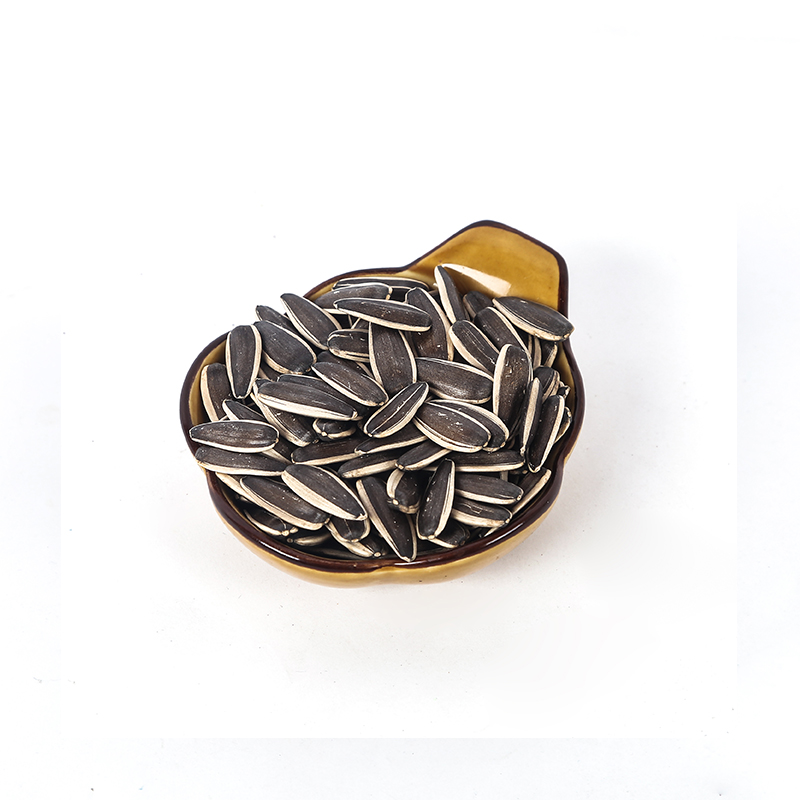
Sunflower seeds ( Helianthus annuus ) supplied to Whole Foods Market represent a significant segment within the broader edible seed industry. These seeds are not merely a snack food; they are a commercially important source of vegetable oil, protein, fiber, and micronutrients. The position of a Whole Foods supplier within the industry chain is a critical one, demanding adherence to stringent quality control standards, sustainable sourcing practices, and traceability requirements that exceed conventional commodity seed production. Core performance characteristics, from oil content to germination rates (for non-food grade seeds), dictate market value and suitability for various applications. This guide details the material science, manufacturing, performance, and quality assurance protocols pertinent to Whole Foods sunflower seed suppliers, focusing on the technical aspects required to meet their specifications and maintain a consistent, high-quality product.
Material Science & Manufacturing
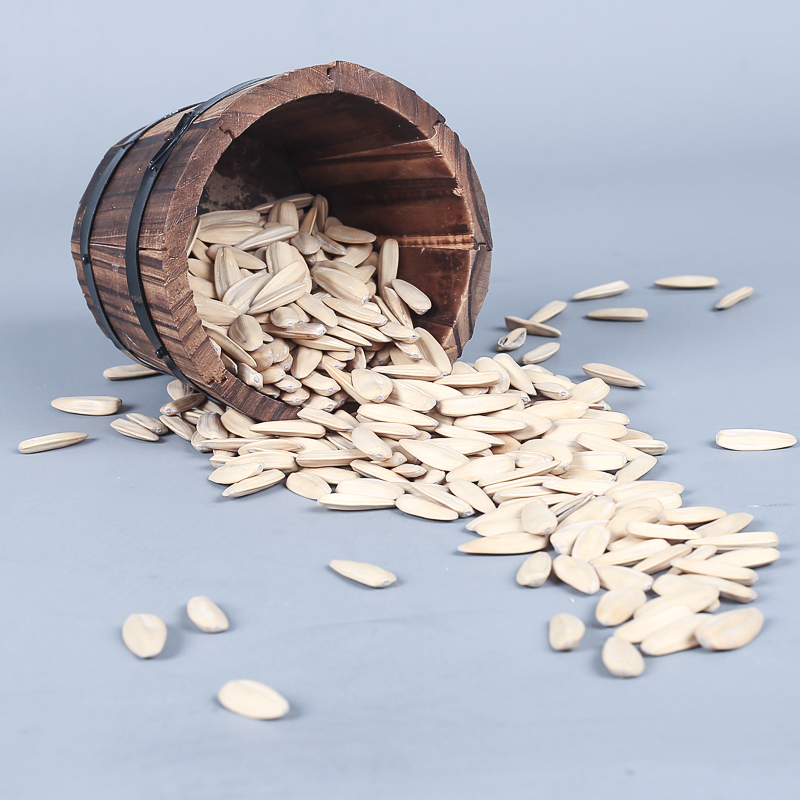
Sunflower seeds, botanically achenes, are composed of a hull (pericarp), kernel (cotyledon), and embryo. The kernel constitutes roughly 50-65% of the seed’s weight. The hull is primarily cellulose and lignin, providing structural integrity. The kernel is rich in lipids (35-55% oil content), proteins (18-25%), carbohydrates (10-20%) and fiber. The type of sunflower (oilseed vs. confection) significantly impacts kernel size, oil content, and hull thickness. Manufacturing begins with agricultural practices – soil composition, irrigation, and fertilization impact seed composition. Harvesting typically occurs when the seed moisture content reaches 18-20%. Subsequent drying is crucial, ideally utilizing forced-air systems to reduce moisture to 8-10% to prevent fungal growth and lipid oxidation. Dehulling, a mechanical process using rubber rollers or abrasive surfaces, removes the hull. This stage requires precise calibration to minimize kernel damage. Sorting, employing optical sorters and gravity separators, removes foreign materials and broken kernels. For oilseed varieties, the seeds are typically crushed and the oil extracted through mechanical pressing or solvent extraction (hexane). Confection varieties undergo further cleaning, grading (based on size and appearance), and often seasoning. Key parameter control includes regular monitoring of moisture content, oil content (using Soxhlet extraction or NMR), kernel damage (visual inspection and automated systems), and aflatoxin levels (HPLC).
Performance & Engineering
The performance of sunflower seeds, from a supplier perspective, hinges on several engineering considerations. Impact resistance during handling and transportation is critical; seeds must withstand dropping and compression without excessive kernel breakage. This is influenced by hull strength, kernel density, and packaging design. Storage stability is paramount, demanding controlled temperature (below 25°C) and humidity (below 65%) to minimize lipid oxidation and rancidity. Engineering controls for processing equipment (dehullers, sorters, graders) must minimize kernel damage and maintain seed integrity. Whole Foods requires suppliers to demonstrate compliance with stringent food safety standards, including HACCP (Hazard Analysis and Critical Control Points) plans. These plans address potential hazards at each stage of the process – from field to packaging – and outline preventative measures. Environmental resistance is also a consideration. Exposure to moisture can lead to fungal growth and aflatoxin contamination. Packaging materials must provide a barrier against moisture and oxygen. Furthermore, the design of storage facilities must prevent pest infestations. Compliance requirements also extend to traceability; suppliers must maintain detailed records of seed origin, processing dates, and lot numbers to facilitate recall procedures if necessary. The oil content impacts caloric density and nutritional value which are critical performance indicators.
Technical Specifications
| Parameter | Oilseed Variety | Confection Variety | Whole Foods Specification |
|---|---|---|---|
| Oil Content (%) | 48-58 | 35-45 | Minimum 50% for Oilseed, 40% for Confection |
| Kernel Moisture (%) | 8-10 | 8-10 | Maximum 9% |
| Kernel Damage (%) | <5 | <3 | Maximum 3% for both |
| Foreign Material (%) | <1 | <0.5 | Maximum 0.5% for both |
| Aflatoxin (ppb) | <20 | <20 | Maximum 20 ppb |
| Hull Content (%) (Confection) | N/A | <10 | Maximum 8% |
Failure Mode & Maintenance
Failure modes in sunflower seed supply chains typically manifest as quality defects impacting either processing efficiency or consumer acceptance. Rancidity, caused by lipid oxidation, is a common failure mode, particularly in oilseed varieties. This is accelerated by exposure to oxygen, light, and elevated temperatures. Kernel cracking during processing, induced by excessive force or improper equipment calibration, leads to material loss and reduced oil yield. Aflatoxin contamination, resulting from fungal growth ( Aspergillus flavus and Aspergillus parasiticus), presents a significant food safety hazard. Hull fragments remaining in confection seeds impact textural quality and consumer appeal. Pest infestation, particularly by insects and rodents, can lead to seed damage and contamination. Maintenance strategies include regular cleaning and calibration of processing equipment, implementation of robust temperature and humidity control systems in storage facilities, and adherence to strict sanitation protocols. Preventative measures against aflatoxin contamination involve proper drying of seeds, minimizing kernel damage, and utilizing fungicides where appropriate (following regulatory guidelines). Regular monitoring of seed quality through analytical testing (oil content, moisture content, aflatoxin levels) is essential for identifying and addressing potential failure modes proactively. Packaging integrity must be regularly inspected, and damaged packaging replaced to prevent moisture ingress and pest access.
Industry FAQ
Q: What are the key differences in quality control between oilseed and confection sunflower seed production?
A: Oilseed quality control emphasizes maximizing oil yield and minimizing free fatty acids. Testing focuses on oil content, acidity, and purity. Kernel damage is less critical. Confection quality control prioritizes kernel integrity, size uniformity, and the absence of hull fragments. Sensory attributes (taste, texture) are also important. Aflatoxin testing is critical for both, but stricter limits may apply to confection seeds intended for direct consumption.
Q: How does Whole Foods’ sourcing policy impact sunflower seed suppliers regarding sustainability?
A: Whole Foods prioritizes suppliers demonstrating sustainable agricultural practices, including responsible water usage, reduced pesticide application, and soil conservation. Suppliers are often required to provide documentation of their sustainability initiatives, such as certifications (e.g., organic, regenerative agriculture). Traceability back to the farm level is essential for verifying sustainability claims.
Q: What specific analytical methods are used to determine sunflower seed oil quality?
A: Common methods include Soxhlet extraction for determining oil content, acid value determination to assess free fatty acid content, peroxide value to measure oxidation levels, and gas chromatography for fatty acid profile analysis. Iodine value indicates the degree of unsaturation. These parameters are crucial for assessing oil stability and suitability for various applications.
Q: What is the significance of the hull percentage in confection sunflower seeds, and how is it controlled?
A: A high hull percentage reduces the eating quality of confection seeds, making them less appealing to consumers. Hulling efficiency is optimized by adjusting the clearance between dehulling rollers and controlling the speed of the process. Post-dehulling sorting and grading processes further remove seeds with excessive hull fragments.
Q: How are aflatoxin levels monitored and controlled throughout the sunflower seed supply chain?
A: Monitoring begins in the field with regular scouting for fungal infections. Proper drying of seeds post-harvest is crucial for preventing fungal growth. During processing, optical sorters can remove visibly moldy seeds. Regular laboratory testing using HPLC (High-Performance Liquid Chromatography) is performed at various stages to ensure aflatoxin levels remain below established limits. Storage facilities are designed to prevent moisture accumulation and pest infestations, which can contribute to aflatoxin contamination.
Conclusion
The provision of high-quality sunflower seeds to Whole Foods Market demands a comprehensive understanding of the material science underpinning seed composition, meticulous control of manufacturing processes, and rigorous adherence to food safety and sustainability standards. Successfully navigating this complex landscape requires proactive monitoring of critical parameters – oil content, moisture levels, kernel damage, and aflatoxin contamination – coupled with robust preventative maintenance strategies to mitigate potential failure modes.
Beyond technical compliance, the long-term success of a Whole Foods sunflower seed supplier relies on a commitment to continuous improvement, embracing innovative technologies for sorting and quality control, and fostering transparent traceability throughout the entire supply chain. Investing in research and development to optimize seed varieties for enhanced oil content, improved hulling efficiency, and increased resistance to fungal contamination will be crucial for maintaining a competitive edge in this dynamic market.
