Introduction
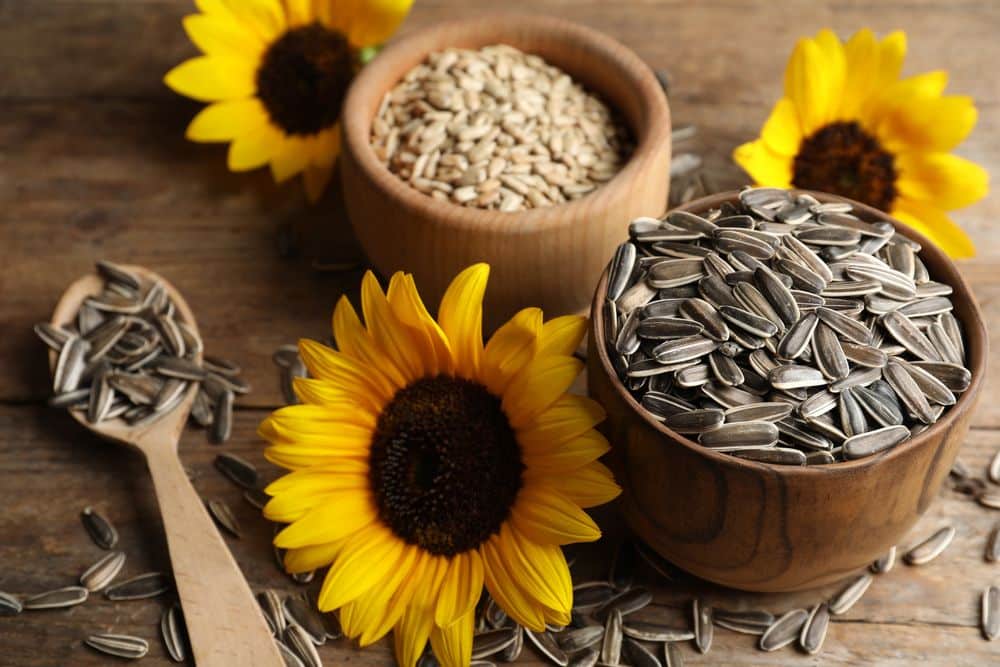
Whole foods sunflower seeds represent a commercially significant agricultural product within the human food supply chain, specifically categorized as oilseeds. Their technical position stems from the intersection of agronomy, post-harvest processing, and food safety regulations. Sunflower seeds ( Helianthus annuus) are valued for their nutritional profile – high in unsaturated fatty acids, vitamin E, and protein – making them a sought-after snack and ingredient. Core performance characteristics relevant to industrial stakeholders include oil yield (critical for oil extraction facilities), kernel size and weight (affecting processing efficiency in snack food production), and the presence of potentially undesirable compounds like cadmium (influencing compliance with food safety standards). The primary industrial challenges center around optimizing seed quality for specific end-uses, minimizing contamination during harvest and storage, and ensuring compliance with increasingly stringent food safety and labeling requirements. The seed's hull characteristics (percentage, strength) are also crucial for dehulling efficiency and the generation of by-products used in animal feed.
Material Science & Manufacturing
Sunflower seeds are biologically complex structures composed primarily of the kernel (cotyledon) and the hull (pericarp). The kernel’s composition is approximately 20-50% oil, 20-30% protein, 10-20% carbohydrate, and 5-15% moisture. The oil is primarily composed of linoleic acid (a polyunsaturated omega-6 fatty acid) and oleic acid (a monounsaturated fatty acid). The hull is composed of cellulose, hemicellulose, and lignin, providing a rigid protective layer. Manufacturing begins with agricultural cultivation, demanding soil pH control (optimal range 6.0-7.5), controlled irrigation, and optimized fertilizer application (nitrogen, phosphorus, potassium). Harvesting is typically performed mechanically, employing combine harvesters equipped with threshing and cleaning systems. Post-harvest processing involves drying to reduce moisture content to around 8-10% to prevent fungal growth and maintain seed viability. Dehulling is then conducted mechanically, utilizing impact or friction-based systems. Kernel size variation presents a significant challenge, necessitating precise calibration of dehulling equipment. Sorting and grading are performed to remove broken kernels, foreign material, and discolored seeds, often employing optical sorting technologies. Oil extraction, when intended, typically utilizes mechanical pressing (expeller pressing) or solvent extraction (using hexane), each influencing oil quality and residual solvent levels. Key parameters controlled during processing include drying temperature (avoiding protein denaturation), dehulling impact force (minimizing kernel damage), and solvent extraction time/temperature (optimizing oil yield and minimizing degradation).
Performance & Engineering
The performance of sunflower seeds in various applications hinges on their physical and chemical properties. Force analysis in dehulling operations centers on the impact force required to fracture the hull without damaging the kernel. This is governed by hull thickness, moisture content, and impact velocity. Environmental resistance is critical during storage; high humidity promotes fungal growth ( Aspergillus flavus producing aflatoxins), while temperature fluctuations can accelerate lipid oxidation, leading to rancidity. Compliance requirements are extensive, primarily revolving around food safety standards. These include limits on heavy metal contamination (cadmium, lead), pesticide residues, and mycotoxin levels (aflatoxins). The Food and Drug Administration (FDA) and European Food Safety Authority (EFSA) set permissible levels. Packaging engineering plays a vital role in preserving seed quality. Barrier properties against oxygen, moisture, and light are crucial for preventing oxidation and maintaining viability. Modified atmosphere packaging (MAP) using nitrogen flushing is often employed. Furthermore, the seeds' performance in snack food processing (roasting, salting) is dependent on their uniformity and oil content; consistent roasting requires homogeneous seed size and oil distribution. The seeds' structural integrity must withstand the forces applied during packaging and transportation without significant kernel breakage.
Technical Specifications
| Parameter | Unit | Typical Range (Oilseed Variety) | Typical Range (Confectionery Variety) |
|---|---|---|---|
| Oil Content | % (dry weight) | 42-58 | 38-48 |
| Protein Content | % (dry weight) | 18-28 | 20-26 |
| Kernel Moisture Content | % | 8-10 | 6-8 |
| Hull Percentage | % (by weight) | 28-40 | 20-30 |
| Kernel 1000-Seed Weight | g | 50-70 | 60-80 |
| Aflatoxin B1 (Maximum) | ppb | 20 | 20 |
Failure Mode & Maintenance
Failure modes for sunflower seeds primarily manifest as quality degradation during storage and processing. Lipid oxidation is a major concern, leading to rancidity and off-flavors, driven by exposure to oxygen, light, and elevated temperatures. This is characterized by an increase in peroxide value and a decrease in free fatty acids. Fungal growth, particularly Aspergillus flavus, produces aflatoxins, rendering the seeds unfit for human consumption. This is exacerbated by high moisture content and poor storage conditions. Physical damage during harvesting and processing (kernel cracking, hull abrasion) reduces processing efficiency and market value. Maintenance focuses on preventative measures. Proper drying to <10% moisture content is critical. Storage in airtight, opaque containers at low temperatures (below 15°C) minimizes oxidation and fungal growth. Regular monitoring for aflatoxins is essential. Equipment maintenance for harvesting, dehulling, and sorting machinery is vital to minimize physical damage. Inventory rotation (FIFO – First In, First Out) ensures that older stock is used before newer stock, minimizing the risk of prolonged storage degradation. Cleaning and sanitizing storage facilities prevent cross-contamination and pest infestations. For oil extraction facilities, regular monitoring of solvent levels and oil quality is crucial.
Industry FAQ
Q: What are the critical factors influencing aflatoxin contamination in sunflower seeds?
A: Aflatoxin contamination is primarily influenced by environmental conditions during growth and post-harvest handling. Drought stress during kernel fill increases susceptibility. Insect damage provides entry points for Aspergillus flavus. Inadequate drying and improper storage, specifically high humidity and temperature, create optimal conditions for fungal growth and toxin production. Seed variety also plays a role, with some cultivars exhibiting greater resistance than others.
Q: How does hull percentage affect the efficiency of dehulling operations?
A: Higher hull percentages increase the energy required for dehulling and reduce the throughput of dehulling machinery. Increased hull strength (influenced by variety and growing conditions) also requires greater impact force, potentially leading to kernel damage. Optimizing dehulling parameters (impact velocity, clearance) is crucial to balance hull removal with kernel integrity.
Q: What methods are used to assess the quality of sunflower oil extracted from the seeds?
A: Sunflower oil quality is assessed through several parameters. Acid value measures free fatty acid content, indicating the degree of hydrolysis. Peroxide value indicates the extent of oxidation. Iodine value reflects the degree of unsaturation. Color and clarity are visually assessed. Fatty acid composition is determined using gas chromatography. Refractive index and density are also measured. Compliance with specified levels for trans fats and saturated fats is also verified.
Q: What are the primary differences between oilseed and confectionery sunflower seed varieties?
A: Oilseed varieties are bred for high oil yield, typically with a higher oil content and a larger kernel size. Confectionery varieties are selected for larger kernel size, a thinner hull, and a milder flavor profile, making them suitable for direct consumption as snacks. Hull strength is also a factor; confectionery varieties generally have weaker hulls for easier shelling.
Q: How does storage temperature impact the shelf life of whole sunflower seeds?
A: Lower storage temperatures significantly extend the shelf life of sunflower seeds. Maintaining temperatures below 15°C (59°F) slows down lipid oxidation, reduces the risk of fungal growth, and preserves the viability of the seeds. Above 25°C (77°F), the rate of degradation accelerates, leading to rancidity and potential aflatoxin contamination.
Conclusion
Sunflower seeds, as a globally traded agricultural commodity, demand stringent quality control across the entire value chain. Understanding the interplay between material science (kernel composition, hull structure), manufacturing processes (harvesting, drying, dehulling), and performance characteristics (oil yield, aflatoxin levels) is paramount for optimizing seed quality and minimizing economic losses. The industry continues to focus on developing improved cultivars with enhanced disease resistance and higher oil content, alongside advancements in processing technologies to maximize efficiency and minimize environmental impact.
Future trends include greater adoption of precision agriculture techniques (sensor-based monitoring of crop health, variable rate fertilization) to optimize yields and minimize inputs. Enhanced storage technologies, such as controlled atmosphere storage and innovative packaging materials, will play a crucial role in preserving seed quality and extending shelf life. Continued research into mycotoxin mitigation strategies and the development of rapid detection methods are essential to ensure food safety and maintain consumer confidence.
