
Introduction
Sunflower seed processing facilities supplying Whole Foods Market represent a critical node in the agricultural supply chain, demanding rigorous quality control and adherence to stringent food safety standards. These facilities are characterized by a complex interplay of mechanical processing, optical sorting, and sanitation protocols. This guide details the technical aspects of sunflower seed handling, from raw material intake to finished product packaging, with a focus on maintaining Whole Foods’ quality specifications. The industry currently faces challenges related to aflatoxin mitigation, foreign material detection, and maintaining consistent kernel integrity during processing. This document will analyze these pain points and detail strategies for optimized performance and compliance. Core performance indicators center around seed yield, kernel damage percentage, residual foreign material content, and overall microbiological safety.
Material Science & Manufacturing
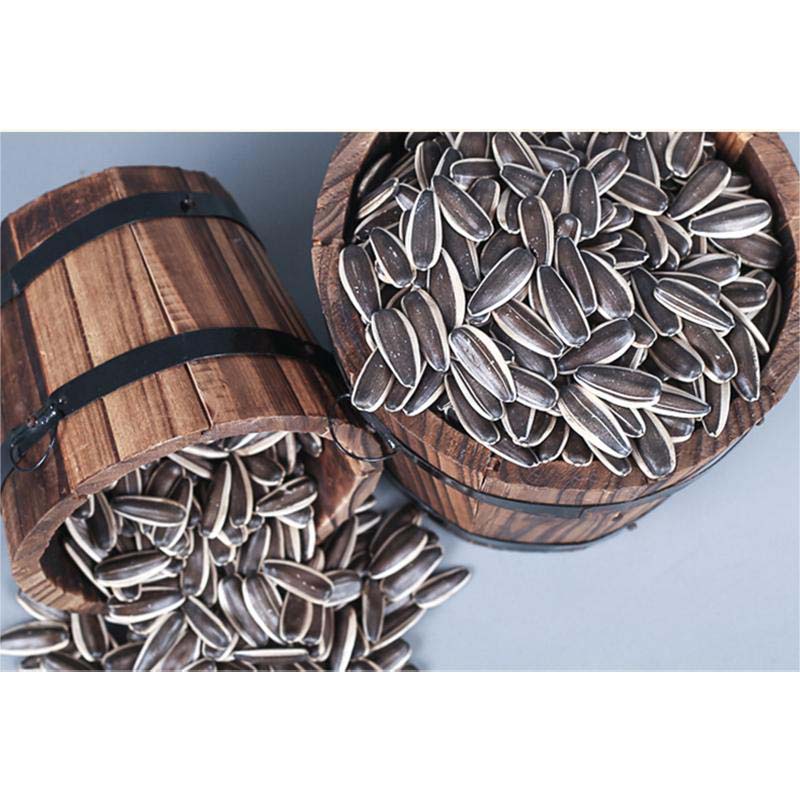
Sunflower seeds (Helianthus annuus) are composed primarily of an oil-rich kernel (approximately 40-50% oil content) encased within a hull or shell. The hull’s composition is largely cellulose, hemicellulose, and lignin, providing structural rigidity. Raw material variability significantly impacts processing parameters. Moisture content, ranging typically from 8-12%, directly influences dehulling efficiency and kernel fracture rates. Higher moisture levels necessitate increased energy input during drying, while excessively low moisture can lead to brittleness and increased dust generation. The manufacturing process begins with cleaning, removing stalks, leaves, and other foreign matter through a series of screens and air separators. Dehulling is a critical step, typically employing impact or attrition methods. Impact dehullers utilize high-speed rotors to fracture the hulls, while attrition dehullers employ rotating abrasive surfaces. Parameter control is crucial; rotor speed, gap settings, and feed rate directly influence dehulling yield and kernel damage. Following dehulling, seeds undergo size grading using screens to separate kernels from remaining hull fragments. Optical sorting, utilizing cameras and image processing algorithms, detects and removes discolored or defective kernels. Finally, seeds are typically dried to a target moisture content of around 6-8% to inhibit microbial growth and maintain storage stability. Drying methods include fluid bed dryers and continuous flow dryers, requiring precise temperature and airflow control to prevent overheating and oil degradation.
Performance & Engineering
The performance of a sunflower seed processing facility is governed by several engineering principles. Force analysis is essential in designing efficient dehulling systems. The impact force required to fracture the hull must be balanced against the potential for kernel damage. The hull’s tensile strength varies with moisture content and seed variety, necessitating adjustable impact parameters. Environmental resistance is critical, particularly concerning temperature and humidity control. Elevated temperatures can accelerate oil rancidity, while high humidity promotes mold growth. Therefore, climate control systems are integral to maintaining product quality and shelf life. Whole Foods Market enforces strict compliance requirements regarding pesticide residues, heavy metal contamination, and microbiological safety. Facilities must implement Hazard Analysis and Critical Control Points (HACCP) plans to identify and mitigate potential hazards. Functional implementation of cleaning and sorting systems relies on robust sensor technology and automated control algorithms. Color sorting systems, for instance, employ RGB sensors to identify and reject discolored kernels. Dust control is paramount to prevent cross-contamination and maintain worker safety. Cyclones and bag filters are commonly employed to remove dust generated during processing.
Technical Specifications
| Parameter | Unit | Specification (Whole Foods Standard) | Typical Operating Range |
|---|---|---|---|
| Kernel Moisture Content | % | 6.0 – 8.0 | 6.5 – 7.5 |
| Foreign Material (FM) | % by weight | ≤ 0.05 | ≤ 0.03 |
| Kernel Damage (Broken/Chipped) | % by weight | ≤ 3.0 | ≤ 2.5 |
| Aflatoxin Levels (B1, B2, G1, G2) | ppb | ≤ 4 ppb (Total Aflatoxins) | < 2 ppb (Average) |
| Oil Content | % | ≥ 40% | 42 – 50% |
| Hull Content (Post-Dehulling) | % by weight | ≤ 5.0 | ≤ 4.0 |
Failure Mode & Maintenance
Common failure modes in sunflower seed processing facilities include fatigue cracking in dehulling rotors, delamination of conveyor belts due to excessive wear, degradation of optical sorting sensors, and oxidation of machinery components. Fatigue cracking typically occurs due to cyclic loading and improper maintenance. Regular non-destructive testing (NDT), such as dye penetrant inspection, can identify micro-cracks before catastrophic failure. Delamination of conveyor belts is often caused by improper tensioning or abrasive wear from seed fragments. Routine belt inspection and replacement are essential. Optical sorting sensors are susceptible to dust accumulation and calibration drift, leading to inaccurate sorting. Regular cleaning and recalibration are critical. Oxidation of machinery components, particularly in humid environments, can cause corrosion and reduced performance. Protective coatings and lubrication are vital preventative measures. Preventative maintenance schedules should include regular lubrication of bearings, inspection of belts and chains, calibration of sensors, and replacement of worn parts. Aflatoxin contamination, while not a mechanical failure, represents a significant quality failure mode, demanding strict adherence to cleaning and sanitation protocols and regular testing of raw materials and finished products. Thorough cleaning of processing equipment, especially conveying systems, is paramount to prevent mold growth and aflatoxin accumulation.
Industry FAQ
Q: What are the most effective strategies for minimizing aflatoxin contamination in sunflower seeds?
A: Implementing a comprehensive aflatoxin control program is crucial. This includes sourcing seeds from regions with low aflatoxin risk, employing pre-cleaning to remove contaminated seeds, utilizing proper drying techniques to inhibit mold growth, and implementing regular testing throughout the process. Utilizing a binder such as bentonite clay during processing can also help reduce aflatoxin levels. Strict adherence to sanitation protocols is essential to prevent mold proliferation.
Q: How does moisture content impact the efficiency of the dehulling process?
A: Moisture content is a critical parameter. Too little moisture (<8%) leads to brittle seeds and increased kernel fracturing during dehulling. Too much moisture (>12%) reduces hull fracture strength and increases processing energy consumption. Optimal moisture content, typically between 8-12%, ensures efficient hull removal with minimal kernel damage.
Q: What level of accuracy can be expected from optical sorting systems in removing discolored kernels?
A: Modern optical sorting systems can achieve accuracy rates exceeding 98% in removing discolored kernels, provided they are properly calibrated and maintained. However, performance is affected by the severity of discoloration, the presence of dust, and the complexity of the seed matrix. Regular cleaning and recalibration are essential to maintain optimal performance.
Q: What preventative maintenance procedures are most critical for minimizing downtime in a sunflower seed processing facility?
A: Regular lubrication of bearings, inspection and replacement of conveyor belts and chains, calibration of optical sensors, and cleaning of dust collection systems are paramount. Implementing a predictive maintenance program based on vibration analysis and thermography can identify potential failures before they occur, minimizing unplanned downtime.
Q: How do Whole Foods’ quality standards compare to industry averages for foreign material content?
A: Whole Foods Market maintains significantly stricter standards for foreign material content (≤ 0.05%) compared to industry averages, which often allow up to 0.1%. This requires more robust cleaning and sorting systems, as well as enhanced quality control procedures throughout the entire processing chain.
Conclusion
Sunflower seed processing for Whole Foods Market demands a meticulous approach to material science, engineering, and quality control. Maintaining the stringent specifications for moisture content, foreign material, kernel damage, and aflatoxin levels requires precise control over every stage of the process, from raw material intake to finished product packaging. Successful operation hinges on a proactive maintenance program, robust sensor technology, and a commitment to HACCP principles.
Looking ahead, advancements in machine learning and artificial intelligence offer opportunities to optimize sorting algorithms, predict equipment failures, and enhance overall process efficiency. Furthermore, ongoing research into novel dehulling techniques and post-harvest treatments holds promise for improving seed yield and reducing contamination risks. Continuous improvement in these areas will be essential for meeting the evolving demands of the Whole Foods Market supply chain.
