Introduction
Sunflower seed processing facilities supplying Whole Foods Market operate within a stringent framework of food safety, quality control, and operational efficiency. These factories represent a critical node in the supply chain, transforming raw sunflower seeds into a consumer-ready product. The technical position of these facilities falls within the broader agricultural processing sector, specifically dry processing of oilseeds. Core performance metrics revolve around seed yield, kernel integrity, oil content (relevant for certain product lines), foreign material contamination, and adherence to organic certification standards, where applicable. A key pain point is maintaining consistent seed quality due to variations in agricultural harvests and minimizing the introduction of allergens or contaminants throughout the processing line. The facilities must navigate complex regulatory requirements related to food safety (FSMA), organic handling, and worker safety while optimizing throughput to meet Whole Foods’ demand. This guide provides a detailed technical overview of the materials, manufacturing processes, performance parameters, failure modes, and maintenance considerations inherent in modern Whole Foods sunflower seed factories.
Material Science & Manufacturing
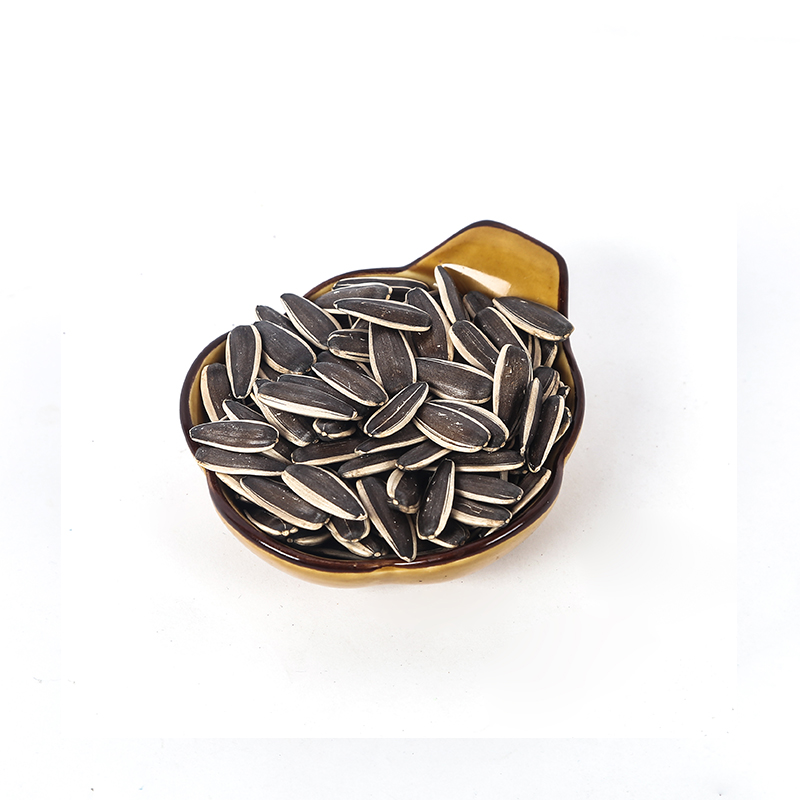
The primary raw material is, of course, the sunflower seed (Helianthus annuus). The seed itself comprises a shell (hull) constituting approximately 20-30% of the seed weight, and a kernel, containing the majority of the oil and protein. Kernel oil content typically ranges from 42-58% depending on the variety. Material properties of the hull are crucial for efficient dehulling – it exhibits significant anisotropic behavior, with differing strength and fracture toughness depending on the direction of applied force. The kernel’s material properties are dominated by its lipid content, making it susceptible to oxidative rancidity. Manufacturing begins with cleaning and foreign material removal, utilizing screens, air classifiers, and destoners. The critical step is dehulling, typically performed using impact dehullers or roller dehullers. Impact dehullers rely on controlled collisions to fracture the hull, while roller dehullers utilize friction between rotating rollers to separate the hull. Parameter control here is paramount: roller speed differential, feed rate, and moisture content (typically 8-12%) significantly impact dehulling efficiency and kernel damage. Following dehulling, seeds undergo kernel sorting (based on size and density), often employing optical sorters to remove discolored or damaged kernels. Subsequent processes may include seasoning, roasting (if applicable), and packaging. Roasting parameters (temperature, time, airflow) are carefully controlled to maximize flavor development while minimizing lipid oxidation. Packaging materials, typically multi-layer films composed of polyethylene, polypropylene, and aluminum foil, are selected for their barrier properties (oxygen, moisture, light) to maintain product freshness. Welding or heat-sealing are common joining methods used for packaging closure, requiring precise temperature and pressure control to ensure hermetic seals.
Performance & Engineering
Performance of a sunflower seed factory is assessed through several key engineering metrics. Throughput, measured in tons per hour, directly impacts operational cost-effectiveness. Dehulling efficiency, expressed as the percentage of kernels successfully separated from hulls, is critical. Kernel damage, quantified as the percentage of broken or chipped kernels, impacts product quality and yield. Foreign material content, measured in parts per million (ppm), must meet stringent Whole Foods specifications. Equipment vibration analysis is employed to detect bearing wear and misalignment in rotating machinery (dehullers, conveyors, roasters). Force analysis is crucial in dehulling operations to optimize impactor/roller design and minimize kernel damage. Environmental resistance is particularly important concerning dust control – sunflower dust is combustible and poses an explosion hazard. Dust collection systems must be designed to meet NFPA standards. Compliance requirements are extensive. Food Safety Modernization Act (FSMA) mandates Hazard Analysis and Critical Control Points (HACCP) plans to identify and control potential food safety hazards. Organic certification (if applicable) requires strict adherence to USDA National Organic Program (NOP) regulations, including traceability and segregation of organic and non-organic materials. Sanitation practices, including Clean-In-Place (CIP) systems for liquid processing lines and rigorous equipment cleaning protocols, are essential to prevent microbial contamination. Furthermore, worker safety necessitates adherence to OSHA standards, including machine guarding, lockout/tagout procedures, and ergonomic assessments.
Technical Specifications
| Parameter | Unit | Typical Range | Whole Foods Specification |
|---|---|---|---|
| Kernel Oil Content | % | 45-55 | Minimum 48% |
| Kernel Moisture Content | % | 8-12 | 8-11% |
| Foreign Material (Total) | ppm | < 50 | < 25 ppm |
| Broken Kernels | % | < 5 | < 3% |
| Hull Content (in Kernels) | % | < 2 | < 1% |
| Peroxide Value (Oil) | meq O2/kg | < 5 | < 3 meq O2/kg |
Failure Mode & Maintenance
Several failure modes are common in sunflower seed factories. Dehullers are susceptible to wear of impact plates or rollers, leading to reduced dehulling efficiency and increased kernel damage. Fatigue cracking in rotating components (shafts, impellers) can occur due to cyclical loading. Conveyor belts can experience tearing or wear, particularly if abrasive materials are present. Optical sorter sensors may malfunction due to dust accumulation or component failure. In packaging lines, heat-sealer elements can burn out or become misaligned, resulting in compromised seals. Kernel degradation, primarily due to lipid oxidation, is a major concern. Factors accelerating oxidation include exposure to oxygen, light, heat, and trace metal contamination. Maintenance strategies include preventative maintenance schedules based on run-time hours, regular inspection of wear parts, vibration analysis of rotating equipment, and calibration of sensors and control systems. Lubrication is critical for bearings and gears. Cleaning protocols must address dust accumulation and prevent contamination. Regular inspection of packaging seals and testing for barrier properties are essential to ensure product integrity. Implementation of a computerized maintenance management system (CMMS) can streamline maintenance workflows and track equipment performance. Specifically, routine cleaning of dust collection systems is paramount to preventing explosions and maintaining optimal airflow. Storage conditions for raw seeds and finished products must be controlled to minimize temperature and humidity fluctuations, slowing down oxidation processes.
Industry FAQ
Q: What is the optimal moisture content for sunflower seeds prior to dehulling, and how is it controlled?
A: The optimal moisture content for dehulling is generally between 8-12%. Lower moisture levels can lead to increased kernel breakage, while higher moisture levels can cause sticking and reduced dehulling efficiency. Moisture content is controlled through pre-drying using ambient air or controlled-temperature dryers. Accurate measurement using moisture analyzers is essential, and adjustments to drying parameters are made based on continuous monitoring.
Q: How does Whole Foods address the risk of acrylamide formation during the roasting process?
A: Acrylamide formation is a concern when roasting starchy materials. Whole Foods suppliers mitigate this risk by carefully controlling roasting parameters (temperature and time) to minimize acrylamide formation. Lower roasting temperatures and shorter roasting times generally result in lower acrylamide levels. Regular testing of finished products for acrylamide content ensures compliance with Whole Foods’ internal standards.
Q: What are the key considerations when selecting packaging materials to maintain sunflower seed freshness?
A: The primary considerations are barrier properties – oxygen, moisture, and light. Multi-layer films composed of polyethylene, polypropylene, and aluminum foil are commonly used. The aluminum foil layer provides an excellent oxygen and light barrier. Seal integrity is also critical; the packaging material must be compatible with the heat-sealing process to ensure a hermetic seal. The packaging materials also need to meet Whole Foods’ sustainability standards.
Q: How are optical sorters calibrated to effectively remove discolored or damaged kernels?
A: Optical sorters are calibrated using reference samples of acceptable and unacceptable kernels. The sorter’s software is programmed to recognize and reject kernels based on color, size, shape, and surface defects. Regular recalibration is necessary to maintain accuracy, particularly when processing different seed varieties or batches.
Q: What preventative maintenance practices are most crucial for extending the lifespan of dehulling equipment?
A: Regular inspection and replacement of wear parts (impactor plates, rollers) are paramount. Proper lubrication of bearings and gears is essential. Vibration analysis should be performed periodically to detect bearing wear or misalignment. Thorough cleaning to remove seed debris and dust is vital. Implementing a CMMS to schedule preventative maintenance tasks and track equipment performance can significantly extend equipment lifespan and reduce downtime.
Conclusion
The operation of Whole Foods sunflower seed factories demands a meticulous approach to material science, manufacturing process control, and quality assurance. Maintaining optimal performance hinges on a deep understanding of seed properties, precise parameter control during dehulling and roasting, and adherence to stringent food safety and quality standards. Effective preventative maintenance and proactive failure mode analysis are crucial for maximizing equipment uptime and minimizing product losses.
Moving forward, advancements in sensor technology, data analytics, and automation will continue to refine these processes. Implementation of real-time monitoring systems for critical parameters (moisture content, temperature, belt speed) will enable more precise control and optimize efficiency. Furthermore, continued research into sustainable packaging materials and energy-efficient processing technologies will be essential for minimizing the environmental footprint of these facilities.
