Introduction
Whole foods sunflower seeds represent a significant commodity within the global agricultural export market, experiencing consistent demand driven by consumer preference for healthy snacking and functional food ingredients. These seeds, Helianthus annuus, are not merely a food product; they are a complex biochemical matrix requiring precise handling, processing, and quality control to meet the stringent standards of international trade and the Whole Foods Market specifically. This technical guide details the material science, manufacturing processes, performance criteria, potential failure modes, and industry best practices vital for exporters supplying Whole Foods Market and similar high-quality retailers. The technical position within the supply chain necessitates a deep understanding of seed genetics, harvesting techniques, post-harvest processing, storage conditions, and international food safety regulations. Core performance characteristics, from oil content and protein levels to microbial load and aflatoxin presence, directly influence market value and consumer acceptance.
Material Science & Manufacturing
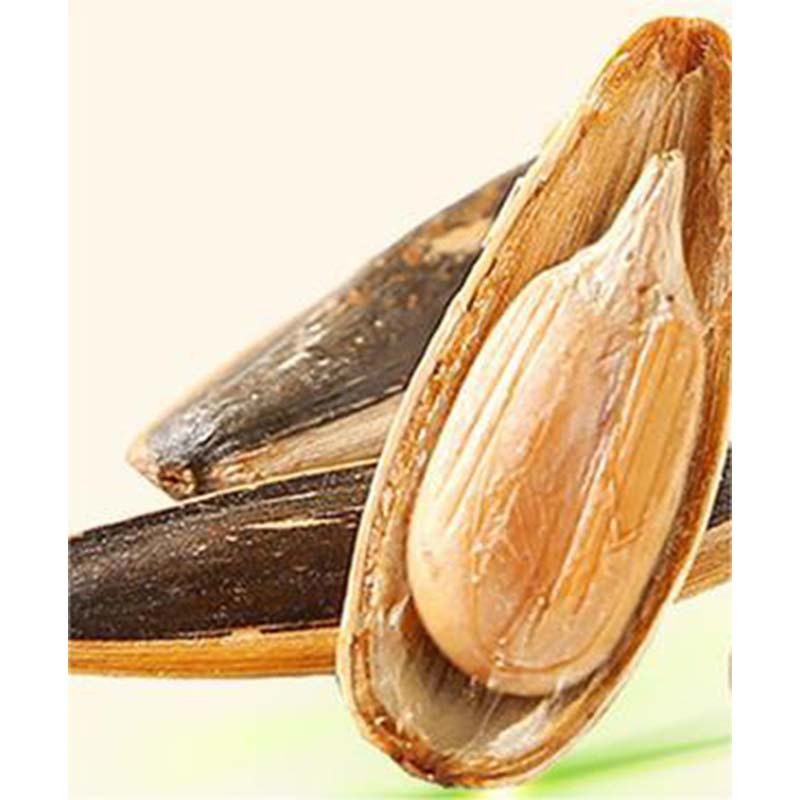
Sunflower seeds are composed primarily of oil (40-50%), protein (20-25%), carbohydrates (15-20%), and fiber (5-10%), alongside trace minerals and vitamins. The oil composition varies significantly based on the sunflower variety (linoleic, high-oleic, mid-oleic) and growing conditions. Linoleic acid-rich varieties require careful handling to minimize oxidation during processing and storage. The seed coat, a critical structural component, comprises cellulose, hemicellulose, and lignin, providing a protective barrier against moisture and physical damage. Manufacturing begins with careful seed selection based on maturity and genetic purity. Harvesting typically involves mechanical combines adjusted to minimize seed damage. Post-harvest processing includes cleaning (removing debris, chaff, and foreign material), drying (reducing moisture content to ≤8% to prevent fungal growth), dehulling (removing the seed coat – optional, impacting texture and nutritional profile), sizing (grading seeds based on diameter), and coating (applying protective layers or flavorings). Critical parameters during drying include temperature (≤45°C to avoid protein denaturation) and airflow (uniform drying to prevent localized overheating). Dehulling employs mechanical abrasion, necessitating precise calibration to balance hull removal efficiency and kernel damage. Quality control at each stage includes assessments of moisture content, oil content (using Soxhlet extraction or near-infrared spectroscopy), protein content (Kjeldahl method or Dumas method), and foreign matter content (visual inspection and automated sorting).
Performance & Engineering
The performance of sunflower seeds during shipping and storage is significantly impacted by environmental factors. Moisture ingress is a primary concern, leading to lipid oxidation, rancidity, and fungal contamination. Packaging engineering plays a crucial role in mitigating this risk. Optimal packaging materials exhibit low oxygen transmission rates (OTR) and low water vapor transmission rates (WVTR). Multi-layer films incorporating polyethylene terephthalate (PET) and polyethylene (PE) are commonly employed. Force analysis during handling and transportation reveals critical stress points within the packaging, requiring robust materials and secure sealing mechanisms. Compliance requirements vary by destination country but typically include adherence to Food and Drug Administration (FDA) regulations in the US, European Food Safety Authority (EFSA) guidelines in Europe, and similar standards in other regions. Aflatoxin levels (produced by Aspergillus flavus and Aspergillus parasiticus) are strictly regulated, necessitating rigorous pre-harvest and post-harvest monitoring programs. Storage conditions – temperature (≤25°C) and humidity (≤65%) – must be carefully controlled to minimize degradation and maintain seed viability. Palletization and containerization impact the structural integrity during transport; proper load distribution and securing methods are paramount to prevent crushing and damage.
Technical Specifications
| Parameter | Unit | Standard (Whole Foods Market) | Typical Range (High-Quality Export) |
|---|---|---|---|
| Moisture Content | % | ≤ 8.0 | 6.0 – 7.5 |
| Oil Content (Dry Basis) | % | ≥ 48.0 | 50.0 – 58.0 |
| Protein Content (Dry Basis) | % | ≥ 20.0 | 22.0 – 26.0 |
| Aflatoxin (Total) | ppb | ≤ 4 | < 2 |
| Foreign Material | % | ≤ 1.0 | < 0.5 |
| Broken Kernels/Damaged Seeds | % | ≤ 3.0 | < 2.0 |
Failure Mode & Maintenance
Sunflower seeds are susceptible to several failure modes during export and storage. Lipid oxidation, leading to rancidity, is a common issue, accelerated by exposure to oxygen, light, and elevated temperatures. Preventive measures include packaging in nitrogen-flushed bags and storing in cool, dark environments. Microbial contamination, particularly by Aspergillus species, can result in aflatoxin production. Strict hygiene practices during harvesting, processing, and storage are crucial. Insect infestation (e.g., by grain weevils) can cause significant damage and contamination. Proper pest control measures, including sanitation and controlled atmosphere storage, are essential. Physical damage, such as cracking and chipping, can occur during handling and transportation. Robust packaging and careful handling procedures minimize this risk. Delamination of the seed coat can occur during dehulling if processing parameters are not optimized. Regular maintenance of processing equipment, including calibrating dehulling machines and monitoring drying temperatures, is vital. For maintenance, comprehensive sanitation programs are essential, involving regular cleaning and disinfection of processing lines and storage facilities. Monitoring for pests and implementing integrated pest management strategies are also key components of a successful maintenance program. Long-term storage requires periodic testing for aflatoxin levels and oil quality to ensure product integrity.
Industry FAQ
Q: What are the critical differences in specifications between conventional sunflower seeds and those suitable for Whole Foods Market?
A: Whole Foods Market requires significantly lower tolerances for aflatoxins (≤4 ppb vs. regulatory limits that can be higher), stricter control of foreign material (<0.5% vs. allowable limits), and a preference for non-GMO seeds. They also prioritize oil content and kernel integrity, demanding consistently high-quality seeds with minimal damage.
Q: How does the sunflower seed variety (linoleic vs. high-oleic) impact storage stability during long-distance transport?
A: High-oleic sunflower seeds exhibit superior storage stability due to their lower susceptibility to lipid oxidation. Linoleic seeds require packaging with enhanced oxygen barrier properties and potentially the addition of natural antioxidants (e.g., vitamin E) to mitigate rancidity during extended transit times.
Q: What specific packaging materials and techniques are recommended to maintain seed quality during maritime shipping in humid climates?
A: Multi-layer films incorporating a high-barrier inner layer (e.g., EVOH or metallized PET) and a robust outer layer for puncture resistance are recommended. Nitrogen flushing prior to sealing reduces oxygen levels. Desiccant packets within the packaging absorb residual moisture. Palletizing and securing loads to prevent shifting and moisture accumulation are also crucial.
Q: What analytical methods are essential for verifying compliance with Whole Foods Market's aflatoxin limits?
A: High-performance liquid chromatography (HPLC) with fluorescence detection is the most widely accepted method for aflatoxin analysis. Enzyme-linked immunosorbent assay (ELISA) is a faster, cost-effective screening tool, but HPLC is required for confirmatory testing. Accredited laboratories with demonstrated proficiency in aflatoxin analysis are essential.
Q: How do temperature and humidity fluctuations during storage affect the viability and quality of exported sunflower seeds?
A: Elevated temperatures accelerate lipid oxidation and microbial growth. High humidity promotes moisture absorption, leading to clumping, mold growth, and decreased shelf life. Maintaining a consistent storage environment with temperatures below 25°C and humidity below 65% is critical for preserving seed quality and preventing spoilage.
Conclusion
The export of whole foods sunflower seeds demands a comprehensive understanding of material science, manufacturing processes, and stringent quality control measures. Successful exporters must prioritize seed selection, optimized post-harvest handling, appropriate packaging, and meticulous monitoring of critical parameters like moisture content, oil content, and aflatoxin levels. Meeting the exacting standards of retailers like Whole Foods Market requires a proactive approach to risk management and a commitment to delivering consistently high-quality products.
Future trends in the industry include advancements in seed genetics for enhanced oil profiles and disease resistance, improved packaging technologies for extended shelf life, and the implementation of blockchain technology for enhanced traceability and supply chain transparency. Continued investment in research and development, coupled with a dedication to sustainable agricultural practices, will be essential for maintaining competitiveness in the global sunflower seed export market.
