Introduction
Sunflower seeds ( Helianthus annuus), specifically those destined for human consumption and compliant with Whole Foods Market quality standards, represent a significant commodity in the global agricultural trade. This guide details the technical aspects of exporting these seeds, encompassing seed development, processing, quality control, and preservation techniques vital for maintaining product integrity during international transport. The value chain extends from agricultural production and drying, through dehulling, grading, and packaging, culminating in distribution to retail and food manufacturing sectors. Key performance indicators include oil content, protein content, moisture levels, and the absence of foreign materials. Maintaining these parameters is critical not only for meeting nutritional expectations but also for ensuring long-term storage stability and preventing mycotoxin formation, a significant concern for seed-based products. This document serves as a technical reference for exporters navigating the complexities of international standards and buyer specifications.
Material Science & Manufacturing
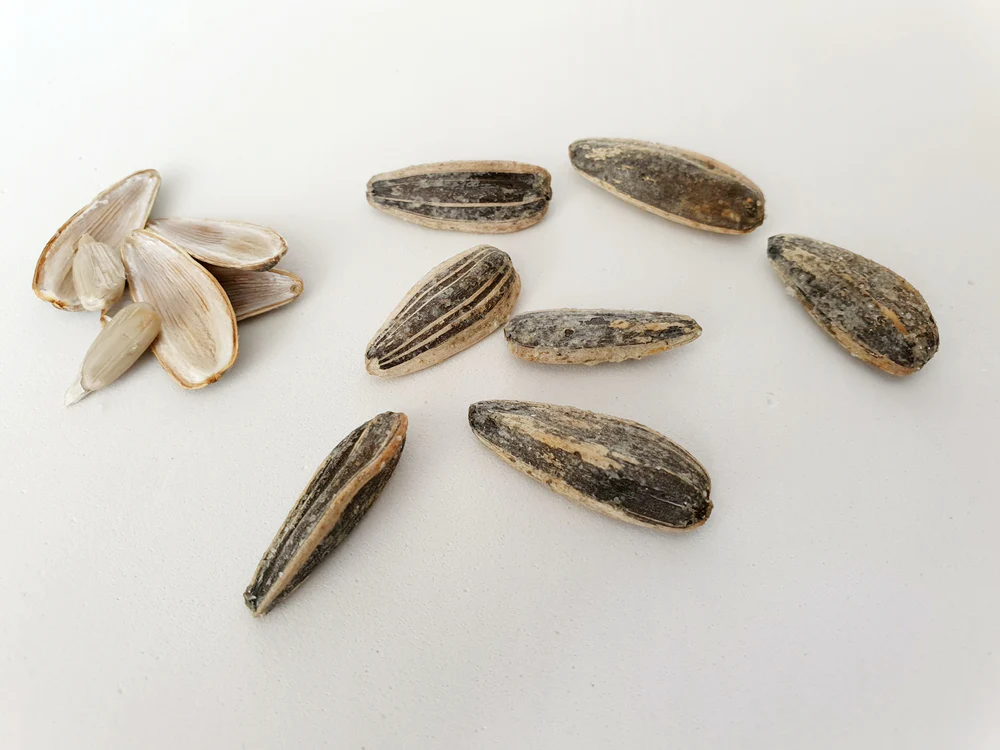
Sunflower seeds consist primarily of an oil-rich kernel enclosed within a hull (or husk). The kernel’s composition typically includes 40-55% oil, 20-30% protein, 10-20% carbohydrates, and 5-10% fiber. The oil is composed of linoleic acid (typically 60-75%), oleic acid (15-30%), and palmitic acid (3-6%). The hull is composed of cellulose, hemicellulose, and lignin, providing structural integrity but also harboring potential contaminants. Manufacturing begins with harvesting at optimal maturity – generally when the back of the seed head turns yellow-brown and moisture content is around 20-25%. Post-harvest drying is paramount, typically achieved using forced-air drying systems to reduce moisture content to 8-10%, inhibiting microbial growth and enzymatic activity. Dehulling, often mechanical, removes the hull, increasing the kernel’s palatability and market value. Critical parameters during dehulling include impact force, abrasion levels, and hull separation efficiency. Grading is performed using screen sizes and optical sorting to categorize seeds based on size and remove damaged or discolored kernels. Packaging utilizes food-grade materials, often multi-layer films offering barrier protection against moisture, oxygen, and light. The packaging process is usually automated to maintain hygiene and consistency. Nitrogen flushing is commonly employed prior to sealing to reduce oxygen levels and extend shelf life. Temperature control throughout these stages is crucial; elevated temperatures can accelerate lipid oxidation and reduce seed quality.
Performance & Engineering
The performance of sunflower seeds during storage and transport is dictated by several engineering principles. Moisture migration within the seed mass is driven by water activity gradients and can lead to clumping, caking, and microbial proliferation. Packaging permeability to water vapor (WVTR) is a critical factor; lower WVTR values are essential for maintaining seed dryness. Mechanical stresses during handling and transport – impacts, compression, vibration – can cause kernel damage, leading to increased lipid oxidation and rancidity. Packaging design must incorporate cushioning and impact resistance. The seeds’ bulk density influences transportation efficiency and storage capacity. Force analysis during processing (dehulling, grading) requires understanding the seeds’ compressive strength and fracture toughness to minimize damage. Compliance requirements, particularly those set by Whole Foods Market, necessitate adherence to strict pesticide residue limits (as per EPA regulations), mycotoxin limits (Aflatoxin B1, Ochratoxin A), and heavy metal limits (lead, cadmium). These are typically assessed through laboratory testing employing methods such as HPLC and GC-MS. Environmental resistance analysis considers temperature fluctuations and humidity variations encountered during shipment; controlled temperature containers are often required for long-distance transport to prevent exceeding recommended storage temperatures (below 25°C).
Technical Specifications
| Parameter | Unit | Specification (Whole Foods Standard) | Testing Method |
|---|---|---|---|
| Moisture Content | % | ≤ 8.5% | Oven Drying (AOAC 925.10) |
| Oil Content | % | ≥ 40% (Kernel Basis) | Soxhlet Extraction (AOAC 920.39) |
| Protein Content | % | ≥ 20% (Kernel Basis) | Kjeldahl Method (AOAC 920.87) |
| Kernel Size (Diameter) | mm | 10-16 mm (Majority) | Sieve Analysis |
| Foreign Matter | % | ≤ 1.0% | Visual Inspection & Hand Sorting |
| Aflatoxin B1 | ppb | ≤ 4 ppb | HPLC-Fluorescence (AOAC 999.09) |
Failure Mode & Maintenance
Sunflower seeds are susceptible to several failure modes during storage and transport. Lipid oxidation, catalyzed by enzymes and accelerated by heat, light, and oxygen, results in rancidity, impacting flavor and nutritional value. This is evidenced by increased peroxide values and free fatty acid content. Mycotoxin contamination, primarily by Aspergillus species, occurs under high moisture conditions and leads to the production of aflatoxins, posing a significant health risk. Hull cracking during handling leads to increased surface area exposed to oxygen and moisture, accelerating oxidation and potential contamination. Insect infestation, particularly by storage pests, causes direct damage and introduces allergens. Maintenance strategies revolve around preventative measures. Strict moisture control during drying and storage is paramount. Packaging should provide a robust barrier to oxygen and moisture. Regular monitoring of temperature and humidity in storage facilities is essential. Implementing a robust pest management program is crucial. Periodic laboratory testing for mycotoxins, oil oxidation parameters (peroxide value, free fatty acid), and insect presence provides early detection of potential issues. Proper stock rotation (FIFO – First In, First Out) minimizes storage duration and reduces the likelihood of degradation.
Industry FAQ
Q: What are the critical considerations regarding packaging materials for long-term sunflower seed storage during export?
A: The selection of packaging materials is paramount. Multi-layer films incorporating aluminum foil or metallized polyester provide excellent barrier properties against oxygen, moisture, and light. The WVTR (Water Vapor Transmission Rate) should be below 2 g/m²/24h at 38°C and 90% RH. The material must also be food-grade and compliant with FDA regulations for food contact. Heat-sealing integrity is critical to prevent oxygen ingress.
Q: How does the initial moisture content of sunflower seeds affect their shelf life and quality during transit?
A: Initial moisture content is arguably the most critical factor. Seeds with moisture content exceeding 8.5% are highly susceptible to fungal growth and mycotoxin production. Even slightly elevated moisture levels accelerate lipid oxidation, leading to rancidity. Thorough drying to 8-8.5% is essential before storage or transport, and maintaining this level throughout the supply chain is crucial.
Q: What testing protocols are commonly employed to ensure compliance with Whole Foods Market's quality standards for sunflower seeds?
A: Common testing protocols include moisture content determination (oven drying, AOAC 925.10), oil content analysis (Soxhlet extraction, AOAC 920.39), protein content analysis (Kjeldahl method, AOAC 920.87), aflatoxin analysis (HPLC-Fluorescence, AOAC 999.09), and pesticide residue screening (GC-MS, following EPA guidelines). Visual inspection and hand sorting are also employed to assess foreign matter content.
Q: What are the primary causes of sunflower seed discoloration during storage and how can they be mitigated?
A: Discoloration can result from enzymatic browning, lipid oxidation, and Maillard reactions. Minimizing oxygen exposure through proper packaging and nitrogen flushing helps prevent oxidation. Maintaining low storage temperatures slows enzymatic activity. Avoiding exposure to direct sunlight is also crucial. Using seed coatings with antioxidant properties can further inhibit discoloration.
Q: What specific documentation is required for exporting sunflower seeds to the US, particularly concerning phytosanitary regulations?
A: Required documentation typically includes a phytosanitary certificate issued by the exporting country's plant protection organization, certifying that the seeds are free from regulated pests and diseases. A Certificate of Origin is also required. Importers may also request documentation verifying compliance with pesticide residue limits and mycotoxin levels. Compliance with USDA APHIS regulations is essential.
Conclusion
The successful export of whole foods sunflower seeds hinges on a comprehensive understanding of the underlying material science, rigorous adherence to manufacturing best practices, and unwavering commitment to quality control. Maintaining optimal moisture levels, implementing effective packaging strategies, and adhering to international standards for food safety are non-negotiable.
Future trends indicate an increasing demand for organic and sustainably sourced sunflower seeds, necessitating traceability systems and certifications. Advancements in modified atmosphere packaging and active packaging technologies offer potential for extending shelf life and minimizing quality degradation. Continuous monitoring and adaptation to evolving regulatory requirements will be crucial for maintaining competitiveness in the global marketplace.
