Introduction
White sunflower products, specifically those utilizing Helianthus annuus cultivars selected for their pale petal coloration, represent a niche yet increasingly significant segment within the global floral and agricultural markets. These are not genetically modified organisms, but rather products of selective breeding to enhance or express naturally occurring recessive traits. Their technical position in the supply chain extends from agricultural cultivation and post-harvest handling through processing (drying, packaging) and distribution to end-use applications in decorative floristry, aromatherapy, and increasingly, specialized oil extraction. Core performance characteristics revolve around aesthetic appeal – consistent color, bloom size, and vase life – as well as oil yield and quality for industrial applications. The industry currently faces challenges surrounding consistent color expression across cultivars, susceptibility to fungal diseases affecting petal integrity, and maintaining freshness during long-distance transport.
Material Science & Manufacturing
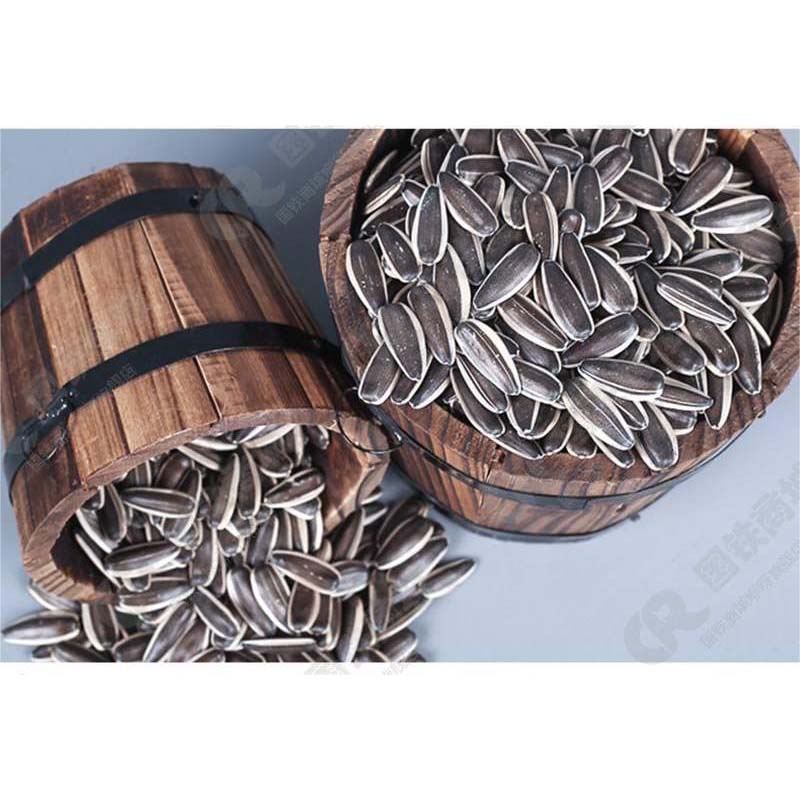
The primary raw material is, naturally, the Helianthus annuus flower head. Petal composition is predominantly cellulose, hemicellulose, and lignin, with varying concentrations of pigments contributing to the white coloration (typically lacking anthocyanins found in yellow varieties, or present in extremely low concentrations). Stem material consists of vascular bundles containing xylem and phloem, providing structural support. Seed composition is significant when considering oil extraction; it’s primarily triglycerides, phospholipids, and proteins. Manufacturing begins with seed selection focusing on yield and petal expression. Cultivation practices significantly impact petal quality; controlled irrigation and fertilization are crucial. Post-harvest, flowers undergo quality sorting, grading based on bloom size and petal integrity, and often, immediate hydration treatments. Drying is commonly employed for preservation, using methods like air drying, freeze-drying (lyophilization – preferred for preserving color and aroma), or silica gel desiccation. Packaging utilizes materials designed to minimize moisture ingress and physical damage during transit; polyethylene films are prevalent. Key parameter control includes maintaining a consistent moisture content (below 12% for dried flowers to prevent fungal growth), optimal drying temperature to preserve volatile compounds, and appropriate packaging permeability to regulate gas exchange.
Performance & Engineering
Performance evaluation centers on several key areas. For fresh-cut flowers, vase life is critical, influenced by stem transpiration rate, bacterial contamination in the water, and ethylene sensitivity. Force analysis of the stem reveals its bending strength and resistance to buckling under the weight of the flower head. Environmental resistance is important – petals are susceptible to UV degradation, leading to discoloration, and mechanical damage from handling and transport. Compliance requirements relate to phytosanitary regulations for international trade (preventing the spread of plant pathogens) and pesticide residue limits. Oil extraction, when applicable, requires engineering considerations related to seed preparation (dehulling, flaking), solvent extraction efficiency (hexane is common, but supercritical CO2 is gaining traction for its environmental benefits), and oil refining processes to remove impurities and achieve desired quality specifications. Bloom stability is also a crucial engineering aspect; maintaining petal shape and preventing wilting under varying temperature and humidity conditions requires careful handling and appropriate preservatives.
Technical Specifications
| Parameter | Units | Typical Value (Fresh Cut) | Typical Value (Dried) |
|---|---|---|---|
| Vase Life | Days | 7-10 | N/A |
| Petal Moisture Content | % (wet basis) | 80-85 | 8-12 |
| Stem Strength (Bending Moment) | Nm | 0.15-0.25 | N/A |
| Oil Content (Seed) | % (dry weight) | 40-50 | 40-50 |
| Acid Value (Oil) | mg KOH/g | <2.0 | <2.0 |
| Peroxide Value (Oil) | meq O2/kg | <10.0 | <10.0 |
Failure Mode & Maintenance
Common failure modes for fresh-cut white sunflowers include petal discoloration (browning due to enzymatic reactions and oxidation), wilting (loss of turgor pressure due to transpiration exceeding water uptake), stem bending or breakage (exceeding structural limits), and fungal contamination (leading to petal rot). For dried flowers, failures include petal brittleness and fracturing (due to excessive dryness and UV exposure), color fading (due to prolonged light exposure), and re-absorption of moisture leading to mold growth. Maintenance for fresh-cut flowers involves providing adequate hydration (using floral preservatives containing sugar and bactericides), maintaining a cool storage temperature, and avoiding exposure to ethylene gas (released by ripening fruits). For dried flowers, preventative maintenance focuses on storage in a cool, dark, and dry environment; avoiding physical stress; and periodic inspection for signs of moisture or pest infestation. Failure analysis often points to inadequate post-harvest handling, improper drying techniques, or unsuitable storage conditions. Preventative measures are far more cost-effective than attempting to restore damaged petals or stems.
Industry FAQ
Q: What are the primary differences in cultivation techniques required for white sunflower varieties compared to traditional yellow cultivars?
A: White sunflower cultivars often require more precise control over growing conditions. They tend to be more sensitive to nutrient deficiencies and are more prone to fungal diseases, particularly those affecting petal development. Maintaining consistent soil pH is critical, as imbalances can hinder color expression. Selective breeding for disease resistance is a constant effort, as traditional fungicides may not be as effective on these cultivars.
Q: How does the drying process impact the volatile organic compound (VOC) profile and aroma of white sunflower petals?
A: The drying method significantly influences VOC retention. Freeze-drying (lyophilization) is the gold standard for preserving aroma, as it minimizes thermal degradation of volatile compounds. Air drying, while cost-effective, can lead to significant loss of these compounds, resulting in a less intense floral scent. Silica gel desiccation offers a compromise, providing relatively good VOC retention but potentially altering the petal texture.
Q: What are the key considerations when selecting packaging materials for long-distance transport of dried white sunflower products?
A: Packaging must provide protection against moisture ingress, physical damage, and UV exposure. High-density polyethylene (HDPE) films are commonly used for moisture barriers. Adding UV inhibitors to the film can mitigate color fading. Cushioning materials (e.g., bubble wrap, foam inserts) are essential to prevent petal breakage. The packaging should also allow for some degree of air permeability to prevent condensation buildup.
Q: What quality control measures are typically employed to ensure consistent petal whiteness across different batches?
A: Colorimetry is the primary analytical technique used. A spectrophotometer measures the reflectance of the petals at specific wavelengths to quantify whiteness index. Visual inspection under standardized lighting conditions is also employed, but is subjective. Seed source and growing conditions are tightly controlled, and batches exhibiting unacceptable color deviations are rejected. Digital image analysis can also be used for automated color assessment.
Q: Are there any emerging sustainable practices within the white sunflower industry aimed at reducing environmental impact?
A: Yes. There's increasing interest in utilizing biological pest control methods to reduce reliance on synthetic pesticides. Water conservation techniques, such as drip irrigation, are being implemented. Research is ongoing into utilizing sunflower byproducts (e.g., stems, seed hulls) for biofuel production or as a soil amendment. Furthermore, transitioning to renewable energy sources for drying and processing operations is gaining traction.
Conclusion
White sunflower products, while aesthetically specialized, demand a robust understanding of both agricultural science and post-harvest engineering. Maintaining consistent quality – encompassing petal color, structural integrity, and oil characteristics when applicable – requires rigorous parameter control throughout the entire supply chain. The industry’s challenges center around mitigating susceptibility to disease, preserving volatile compounds during drying, and ensuring durable packaging for long-distance transport.
Future developments will likely focus on optimizing selective breeding programs for enhanced disease resistance and color stability, exploring novel drying technologies that minimize aroma loss, and developing biodegradable packaging materials to align with increasing sustainability demands. Furthermore, the expanding applications of sunflower oil in specialized markets – such as cosmetics and nutraceuticals – will continue to drive innovation within this niche agricultural sector.
