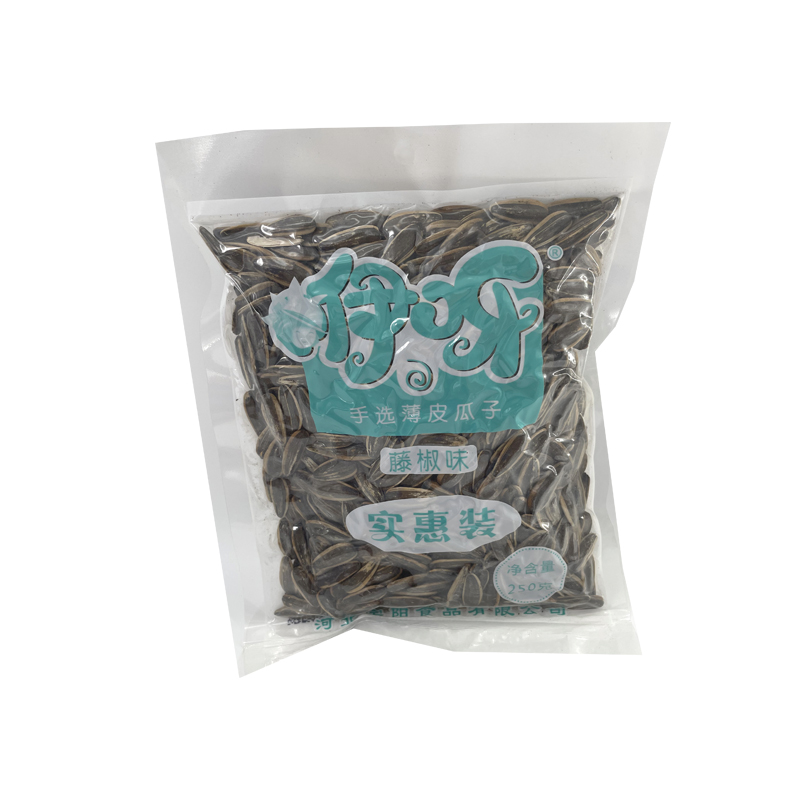
Introduction
White sunflower (Helianthus annuus) cultivation for industrial applications, specifically the oilseed and confectionary markets, represents a significant sector within agricultural commodity processing. This guide details the technical aspects of white sunflower seed production, quality control, and associated manufacturing processes. White sunflowers, differing from their black seeded counterparts primarily due to a recessive gene impacting hull pigmentation, are gaining prominence due to consumer preference for their aesthetic appeal in snacks and specific oil properties. This document outlines the agronomic practices, processing technologies, and quality assurance measures critical to consistent production of high-grade white sunflower seeds, addressing common industry challenges related to seed purity, oil content consistency, and hulling efficiency. The primary industrial uses center on oil extraction, protein meal production (animal feed), and direct human consumption as a snack food. Understanding the nuanced requirements throughout the lifecycle, from seed selection to final product packaging, is crucial for manufacturers seeking to optimize yield, maintain quality, and meet stringent food safety standards.
Material Science & Manufacturing
The primary material science considerations for white sunflower seed production revolve around the composition of the seed itself: oil, protein, carbohydrates, fiber, and the hull. Sunflower oil is primarily composed of triglycerides, with linoleic acid (a polyunsaturated omega-6 fatty acid) and oleic acid (a monounsaturated fatty acid) constituting the majority. The protein content, largely globulins and albumins, impacts the nutritional value of the seed meal byproduct. The hull, a complex lignocellulosic structure, comprises cellulose, hemicellulose, and lignin. Manufacturing processes begin with seed preparation – cleaning, drying, and dehulling. Dehulling is typically achieved mechanically, employing impact, friction, or a combination of both. Critical parameters during dehulling include impact velocity, surface texture of the dehulling equipment, and moisture content of the seeds (optimal range: 8-10%). Insufficient moisture leads to excessive kernel breakage; excessive moisture increases hulling difficulty and promotes microbial growth. Oil extraction utilizes mechanical pressing (expelling) or solvent extraction (typically hexane). Solvent extraction yields higher oil recovery rates but necessitates stringent solvent removal procedures to meet food safety standards. Refining processes then remove impurities (phospholipids, free fatty acids, pigments) through degumming, neutralization, bleaching, and deodorization. Quality control at each stage—seed grading based on size and density, oil analysis for acid value, peroxide value, and iodine value—is essential. Post-extraction, the seed meal undergoes further processing for animal feed, focusing on protein content and digestibility.

Performance & Engineering
Performance engineering in white sunflower seed processing focuses on maximizing oil yield while minimizing energy consumption and waste generation. The efficiency of the dehulling process is paramount, as kernel damage directly impacts oil quality and processing costs. Force analysis during dehulling identifies optimal impact parameters to fracture the hull without damaging the kernel. Environmental resistance considerations include storage conditions – maintaining low temperature (below 15°C) and humidity (below 65%) to prevent rancidity and fungal growth. The primary engineering challenge lies in balancing throughput with seed integrity. Higher throughput often correlates with increased kernel damage. Compliance requirements are dictated by food safety regulations (e.g., FDA, EFSA) regarding solvent residue levels (hexane < 2 ppm), aflatoxin contamination (below permissible limits), and hygienic processing practices (HACCP). Furthermore, engineering design must account for dust control during dehulling and conveying, minimizing explosion hazards. Specific to white sunflower seeds, maintaining hull whiteness is a critical performance metric impacting market value. This necessitates careful control of dehulling parameters and avoidance of abrasive processing techniques that can discolor the hulls. Efficient heat transfer during oil refining is also crucial for minimizing oil degradation and preserving nutritional value. Automated sorting systems utilizing optical sensors are increasingly employed to remove discolored seeds or foreign materials.
Technical Specifications
| Parameter | Unit | Typical Value (White Sunflower Seeds) | Acceptable Range |
|---|---|---|---|
| Oil Content (Dry Basis) | % | 42-48 | 38-52 |
| Protein Content (Dry Basis) | % | 20-26 | 18-28 |
| Hull Percentage | % | 20-28 | 18-30 |
| Kernel Size (Diameter) | mm | 8-12 | 6-14 |
| Moisture Content | % | 9-11 | 8-12 |
| Acid Value (Oil) | mg KOH/g | <0.3 | <0.5 |
Failure Mode & Maintenance
Failure modes in white sunflower seed processing fall into several categories. Kernel cracking during dehulling results in oil loss and reduced product quality. This is often caused by improper machine settings, worn dehulling surfaces, or excessively dry seeds. Hull fragments remaining adhered to the kernel after dehulling are another common failure, impacting downstream processing and product appearance. Degradation of sunflower oil during storage is a significant concern, leading to rancidity and off-flavors. This is driven by oxidation and hydrolysis, accelerated by high temperatures and exposure to light and air. Equipment failure, particularly in dehulling and oil extraction machinery, is a frequent cause of downtime. Common failure points include bearing wear, gear tooth damage, and motor overheating. Preventative maintenance is critical, encompassing regular lubrication of moving parts, inspection and replacement of worn components (dehulling plates, screens), and calibration of control systems. Oil refining equipment requires periodic cleaning to remove accumulated impurities and prevent fouling. Storage facilities should be equipped with temperature and humidity control systems, along with pest control measures. Routine oil quality analysis (acid value, peroxide value) is essential for detecting early signs of degradation. Regular inspection of storage tanks for leaks or corrosion is also vital.
Industry FAQ
Q: What is the primary difference in processing between white and black sunflower seeds?
A: While the fundamental processing steps are identical, white sunflower seeds often require more delicate dehulling procedures. The hull tends to be slightly more brittle and prone to shattering, necessitating finer adjustments to dehulling equipment to minimize kernel damage. Maintaining hull whiteness also requires avoiding abrasive cleaning or processing methods.
Q: How does moisture content impact the oil extraction efficiency?
A: Optimal moisture content (8-10%) is crucial for efficient oil extraction. Lower moisture leads to increased kernel breakage during pressing and reduced solvent penetration during solvent extraction. Higher moisture increases energy consumption during drying and can promote microbial growth, affecting oil quality.
Q: What are the key indicators of sunflower oil degradation?
A: Key indicators include increased acid value (indicates free fatty acid formation), elevated peroxide value (indicates oxidation), and development of off-flavors or odors. Monitoring these parameters through routine oil analysis is essential for quality control.
Q: What are the critical safety considerations when using hexane for solvent extraction?
A: Hexane is a highly flammable solvent and poses a potential explosion hazard. Strict adherence to safety protocols is essential, including proper ventilation, leak detection systems, grounded equipment, and exclusion of ignition sources. Ensuring complete solvent removal from the oil to below permissible limits (typically <2 ppm) is also crucial for food safety.
Q: How can aflatoxin contamination be prevented in white sunflower seeds?
A: Prevention relies on good agricultural practices, including selecting disease-resistant sunflower varieties, proper field management (weed control, insect control), and careful harvesting and drying. Regular testing of seeds for aflatoxin levels is essential, and contaminated batches should be rejected or processed using appropriate detoxification methods.
Conclusion
The successful manufacture of white sunflower seeds, and the resulting oil and meal products, demands a nuanced understanding of material science, processing engineering, and quality control. Maintaining optimal moisture content throughout the process, from harvesting to storage, is paramount to minimizing kernel damage and preserving oil quality. Investing in preventative maintenance programs for processing equipment, coupled with regular oil quality analysis, is critical for ensuring operational efficiency and product consistency.
Looking ahead, advancements in optical sorting technology and precision dehulling systems will likely play a significant role in improving yield and product purity. Furthermore, exploring sustainable solvent alternatives to hexane for oil extraction aligns with increasing consumer demand for environmentally friendly processing practices. Adherence to international standards and rigorous quality assurance protocols remains essential for establishing trust and market access in the competitive global sunflower seed industry.
