Introduction
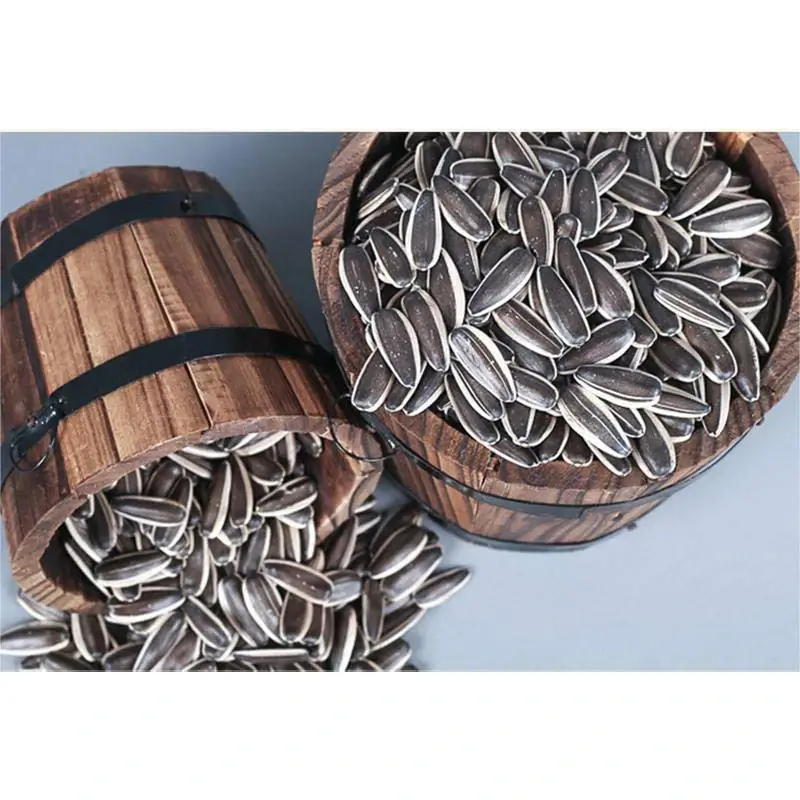
White sunflower seeds, specifically those cultivated for non-oilseed applications (confectionery, birdseed, and increasingly, specialized industrial applications), represent a significant segment of the Helianthus annuus market. This guide details the technical aspects of producing high-quality white sunflower seeds, focusing on parameters crucial for consistent performance across diverse industries. Unlike black oilseed varieties, white sunflower seeds prioritize kernel size, hull characteristics, and protein content. Their position in the supply chain ranges from agricultural production and primary processing (cleaning, sizing, and dehulling) to specialized industrial applications demanding precise specifications. Core performance metrics center around kernel density, moisture content, protein profile, and freedom from mycotoxins and foreign material, all of which directly impact downstream processing efficiency and final product quality. This comprehensive analysis aims to provide manufacturers and end-users with a detailed understanding of the material’s properties and production considerations.
Material Science & Manufacturing
The foundation of high-quality white sunflower seeds lies in understanding the material science of the kernel and hull. The kernel comprises approximately 50-60% carbohydrate (primarily starch), 20-30% protein, 30-40% oil (though lower in white varieties compared to black), and trace amounts of vitamins and minerals. Hull composition is largely cellulose and lignin, impacting its brittleness and dehulling efficiency. Manufacturing begins with seed selection, prioritizing cultivars with established high kernel weight and hull integrity. Growing conditions – soil composition, irrigation, and sunlight exposure – significantly influence kernel development and oil content. Harvesting occurs when moisture content reaches approximately 18-20% to minimize cracking during mechanical harvesting. Post-harvest processing involves cleaning to remove debris, sizing to categorize seeds based on diameter, and critical dehulling. Dehulling efficiency, a key parameter, depends on the impact-to-friction ratio within the dehuller and is optimized through controlled impeller speed and gap adjustments. Moisture content is meticulously controlled during drying (typically to 8-10%) to prevent microbial growth and maintain kernel quality. Parameter control is vital: seed moisture during harvesting (monitored via NIR sensors), dehulling gap (calibrated using laser micrometers), and drying temperature (regulated by thermocouples within the drying columns) are critical for achieving consistent output. Chemical treatments, primarily fungicide applications during growth, require strict adherence to residue limits established by international regulations.
Performance & Engineering
The performance of white sunflower seeds in industrial applications is fundamentally linked to their physical and mechanical properties. For confectionery applications, kernel size and shape uniformity are paramount, influencing presentation and flowability through processing equipment. Birdseed applications prioritize kernel hardness and digestibility. In emerging applications like bioplastic production, oil content and protein structure become crucial. Force analysis during dehulling reveals the fracture toughness of the hull, directly related to its lignin content and fiber orientation. Environmental resistance is assessed through accelerated aging tests (elevated temperature and humidity) to determine shelf life and susceptibility to mold growth. Compliance requirements vary based on the intended use. For human consumption, adherence to FDA (USA) and EFSA (Europe) regulations regarding mycotoxin levels (aflatoxins, ochratoxins) is critical. For animal feed, regulations set maximum permissible levels of pesticides and heavy metals. Functional implementation often involves pre-processing steps like grinding or flaking, requiring assessment of particle size distribution and energy consumption. The seeds’ susceptibility to oxidation during storage necessitates packaging under nitrogen or with oxygen absorbers to maintain quality. Bulk density, critical for storage and transportation logistics, is influenced by kernel size and packing efficiency, requiring careful control during processing.
Technical Specifications
| Parameter | Unit | Typical Value (Confectionery Grade) | Typical Value (Birdseed Grade) |
|---|---|---|---|
| Kernel Moisture Content | % (wet basis) | 8.0 – 9.0 | 9.0 – 11.0 |
| Kernel Oil Content | % (dry basis) | 20 – 25 | 30 – 35 |
| Kernel Protein Content | % (dry basis) | 22 – 28 | 20 – 25 |
| Kernel Size (Diameter) | mm | 12 – 16 | 10 – 14 |
| Kernel Density | g/cm³ | 0.85 – 0.95 | 0.75 – 0.85 |
| Hull Percentage | % (by weight) | < 5 | 20 – 30 |
Failure Mode & Maintenance
Common failure modes in white sunflower seeds relate to degradation during storage and processing. Oxidative rancidity, driven by unsaturated fatty acids, leads to off-flavors and reduced nutritional value. This is often manifested as a visible oil sheen on the kernels. Microbial contamination, particularly by Aspergillus species, results in aflatoxin production, rendering the seeds unfit for consumption. Physical damage – cracking and chipping – occurs during handling and processing, reducing the percentage of whole kernels. Delamination, or the separation of the kernel from the hull remnant, affects appearance and can impact processing efficiency. Maintenance strategies focus on preventive measures. Proper drying to minimize moisture content is essential. Storage in airtight containers, under cool and dry conditions (below 15°C and 65% relative humidity), inhibits oxidation and microbial growth. Regular inspection for signs of infestation or mold is critical. Equipment maintenance – ensuring proper calibration of dehullers and cleaning of processing lines – minimizes physical damage. Implementing a robust HACCP (Hazard Analysis and Critical Control Points) system throughout the production chain is vital for preventing contamination and ensuring food safety. Regular analysis for mycotoxins and peroxide value (a measure of oxidation) are also critical maintenance activities.
Industry FAQ
Q: What is the critical moisture content threshold for long-term storage of white sunflower seeds?
A: The critical moisture content threshold for long-term storage is generally considered to be 8.5%. Exceeding this level significantly increases the risk of fungal growth and aflatoxin contamination. Maintaining a moisture content below 8.5% in combination with proper storage conditions (low temperature and humidity) is paramount.
Q: How does hull strength impact dehulling efficiency and what methods are used to assess it?
A: Hull strength directly impacts dehulling efficiency. A brittle hull is easier to remove, but excessive brittleness can lead to kernel damage. Hull strength is typically assessed through fracture testing, measuring the force required to crack the hull. Microscopic analysis of hull fiber orientation and lignin content also provides insights into its strength characteristics.
Q: What are the common contaminants found in white sunflower seeds and how are they controlled?
A: Common contaminants include foreign material (plant debris, stones), mycotoxins (aflatoxins, ochratoxins), and pesticide residues. Control measures involve rigorous cleaning during processing, implementing good agricultural practices to minimize pesticide use, and regular testing for mycotoxin levels. Seed treatment with approved fungicides can also help prevent fungal growth.
Q: What is the significance of the peroxide value in assessing the quality of white sunflower seeds?
A: Peroxide value (PV) is a primary indicator of oxidative rancidity. It measures the concentration of peroxides formed during lipid oxidation. A higher PV indicates a greater degree of oxidation and a decline in seed quality. Monitoring PV during storage is crucial for determining shelf life and identifying potential quality issues.
Q: How do different sunflower cultivars vary in their susceptibility to aflatoxin contamination?
A: Different sunflower cultivars exhibit varying levels of susceptibility to aflatoxin contamination. Some cultivars possess genetic traits that enhance their resistance to fungal infection. Seed companies are actively developing and releasing aflatoxin-resistant varieties. Selection of appropriate cultivars, coupled with good agricultural practices, is a key strategy for minimizing aflatoxin risk.
Conclusion
The production of high-quality white sunflower seeds demands a comprehensive understanding of material science, meticulous process control, and adherence to stringent quality standards. Successful manufacturing hinges on optimizing growing conditions, precise dehulling techniques, and effective moisture management. Maintaining kernel integrity and minimizing contamination are critical for ensuring the seeds’ suitability for a diverse range of industrial applications.
Future trends in white sunflower seed production will likely focus on developing cultivars with enhanced aflatoxin resistance, improved oil profiles for specific bioplastic applications, and optimized kernel characteristics for confectionery processing. Continuous monitoring of quality parameters and implementation of advanced processing technologies will be essential for meeting evolving market demands and ensuring long-term sustainability.
