Introduction
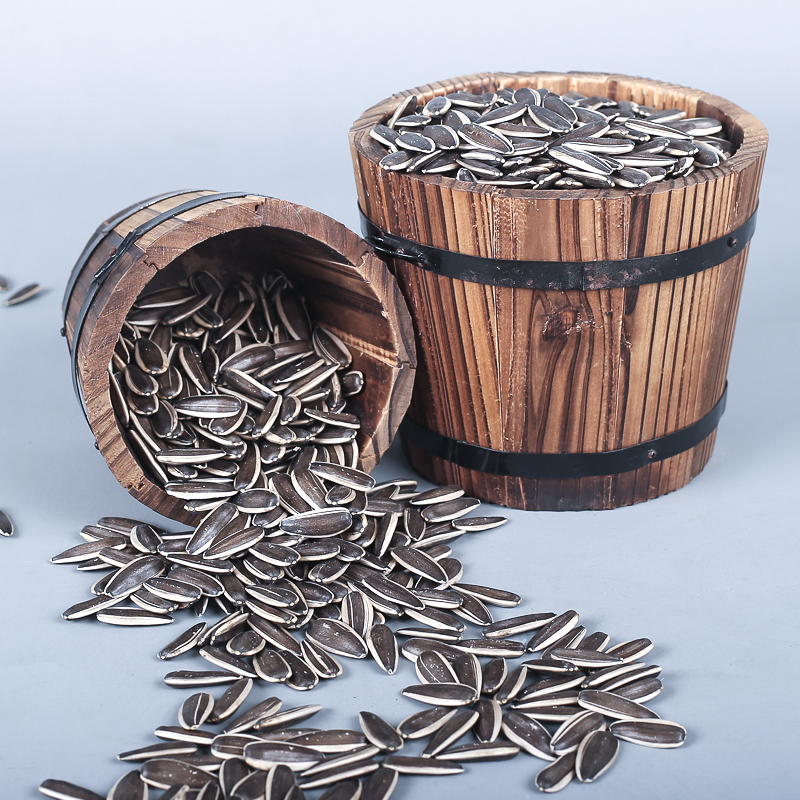
White sunflower factories, representing a specialized segment within the agricultural processing industry, are dedicated to the cultivation, harvesting, and processing of white sunflower seeds for various applications. Unlike traditional black oilseed sunflower production, the white sunflower variety focuses on confectionary uses, birdseed, and increasingly, specialized oil applications due to its lighter color and unique fatty acid profile. These facilities form a critical link in the supply chain, serving food manufacturers, pet food producers, and increasingly, the cosmetic and pharmaceutical industries. Their technical position centers on maintaining seed quality from field to finished product, emphasizing purity, minimizing foreign material, and preserving the integrity of the seed’s oil content. Core performance is defined by processing efficiency (seed yield per hectare), oil extraction rate, seed purity (absence of defects & contaminants), and adherence to stringent food safety standards like HACCP and GMP.
Material Science & Manufacturing
The core raw material, the white sunflower seed (Helianthus annuus), is composed approximately of 42-58% oil, 20-30% protein, 15-25% carbohydrates (primarily fiber), and 5-10% moisture. The hull, or pericarp, is a critical component, impacting oil extraction efficiency and seed quality. Material properties of the hull – tensile strength, elasticity, and moisture permeability – directly affect seed storage stability and processing ease. Manufacturing processes begin with harvesting, typically utilizing combine harvesters equipped with specialized heads to minimize seed damage. Cleaning and drying are paramount. Drying reduces moisture content to 8-10% to prevent fungal growth and maintain oil quality, employing controlled-temperature airflow systems. De-hulling is a crucial step, separating the kernel from the hull. This is achieved using impact dehullers or centrifugal dehullers. Parameter control focuses on maintaining optimal impact force/centrifugal speed to maximize kernel recovery and minimize hull fragments. Further processing involves kernel grading (size and density separation), color sorting (removing discolored seeds), and often, surface treatment with food-grade coatings to enhance shelf life and appearance. For oil extraction, solvent extraction (using hexane) is common, requiring rigorous solvent recovery systems to ensure food safety. Cold pressing is employed for premium oils, demanding precise control of pressure and temperature to prevent overheating and degradation of sensitive fatty acids. The hulls themselves are often processed into animal feed or biofuel, creating a closed-loop system.

Performance & Engineering
Performance assessment of white sunflower factories involves several key engineering considerations. Force analysis during de-hulling necessitates understanding the impact forces and shear stresses acting on the kernel to minimize breakage and maximize yield. Environmental resistance, particularly to moisture and temperature fluctuations, is critical for storage silo design and processing equipment operation. Silo design must account for aeration to prevent localized heating and condensation. Compliance requirements are substantial, revolving around food safety (FDA, EU regulations), and worker safety (OSHA). Equipment must be designed with cleanability in mind, minimizing areas where bacteria can accumulate. Functional implementation of oil extraction processes requires precise control of hexane concentration, temperature, and contact time to optimize oil yield and minimize residual solvent levels. The efficiency of solvent recovery systems is directly tied to environmental regulations and economic viability. Furthermore, dust control is paramount; sunflower hull dust is combustible, necessitating robust ventilation and dust collection systems adhering to NFPA standards. The mechanical properties of the processing equipment (e.g., roller mills, extruders) are evaluated based on their wear resistance, durability, and ability to maintain consistent performance under high loads and continuous operation. Fatigue analysis is critical for rotating components to prevent catastrophic failure.
Technical Specifications
| Parameter | Unit | Typical Range (White Sunflower Seed) | Acceptable Variation |
|---|---|---|---|
| Oil Content | % (Dry Basis) | 48 – 55 | ± 2% |
| Protein Content | % (Dry Basis) | 22 – 28 | ± 1.5% |
| Moisture Content (Dried Seed) | % | 8 – 10 | ± 0.5% |
| Kernel Purity (Foreign Matter) | % | > 98 | < 2% |
| Hull Damage (Broken Kernels) | % | < 5 | < 2% |
| Acid Value (Oil) | mg KOH/g | < 0.3 | < 0.5 |
Failure Mode & Maintenance
Common failure modes in white sunflower factories include equipment wear due to abrasive action of seed hulls, particularly in de-hullers and conveying systems. This leads to component fatigue and eventual cracking. Delamination of conveyor belts, caused by excessive loading or improper tensioning, is also frequent. Degradation of rubber components (seals, hoses) due to exposure to oils and solvents is a concern. Oxidation of metal components in solvent extraction systems, particularly if humidity control is inadequate, can lead to corrosion and contamination. Failure of drying systems due to dust buildup and overheating presents a fire hazard. Maintenance solutions involve preventative maintenance schedules focusing on lubrication, component replacement (rollers, belts, screens), and thorough cleaning. Regular inspection of bearings and seals is essential. Implementing a robust dust collection system and regular cleaning of drying ducts are critical for fire prevention. Monitoring solvent levels and ensuring proper ventilation in extraction areas are vital for safety and product quality. Non-destructive testing (NDT) methods, such as ultrasonic testing, can be employed to detect cracks in critical components before catastrophic failure occurs. Regular calibration of sensors and control systems is crucial for maintaining optimal process parameters and preventing equipment malfunction. Implementing a computerized maintenance management system (CMMS) improves tracking and scheduling of maintenance activities.
Industry FAQ
Q: What are the primary challenges in maintaining the purity of white sunflower seeds during processing?
A: Maintaining purity revolves around minimizing foreign material introduction at each stage. Effective cleaning prior to de-hulling, efficient separation of hulls and debris, and robust color sorting systems are essential. Maintaining a positive pressure environment in processing areas minimizes dust and contaminant entry. Regular inspection of equipment for damage and buildup is critical, and implementation of metal detectors throughout the process further safeguards product integrity.
Q: What impact does moisture content have on sunflower seed oil extraction efficiency?
A: Moisture content is a critical parameter. Excessive moisture reduces extraction efficiency as water competes with the solvent for oil binding. Insufficient moisture can cause seed brittleness, increasing hull fragments and reducing oil yield. Optimal moisture content (8-10%) balances these factors. Precise control of the drying process is paramount.
Q: How are food safety standards like HACCP implemented in a white sunflower factory?
A: HACCP implementation involves identifying critical control points (CCPs) throughout the process – from seed sourcing to final packaging. These CCPs are monitored for hazards like microbial contamination, chemical residues, and foreign material. Control measures, such as temperature control, sanitation protocols, and metal detection, are established and documented. Regular audits and record-keeping are essential for demonstrating compliance.
Q: What are the key considerations when selecting materials for equipment used in solvent extraction?
A: Material selection focuses on chemical compatibility with hexane and resistance to corrosion. Stainless steel (304 or 316) is commonly used for tanks, pipes, and heat exchangers. Seals and gaskets must be made of materials resistant to solvent swelling and degradation (e.g., Viton). Equipment must be grounded to prevent static electricity buildup, minimizing the risk of solvent ignition.
Q: How is dust explosion risk mitigated in sunflower processing facilities?
A: Mitigation strategies include robust dust collection systems (cyclones, baghouses), regular cleaning to prevent dust accumulation, grounding and bonding of equipment to dissipate static electricity, explosion venting systems, and employee training on dust hazard awareness. NFPA standards regarding combustible dust handling must be strictly followed. Inerting systems (using nitrogen) can be implemented in enclosed spaces to reduce oxygen concentration below the explosion threshold.
Conclusion
The successful operation of a white sunflower factory hinges on a deep understanding of the interplay between material science, engineering principles, and rigorous quality control. Maintaining seed integrity, optimizing oil extraction efficiency, and adhering to stringent food safety regulations require a holistic approach to process design and maintenance. Precise control of process parameters—moisture content, temperature, pressure, and solvent concentration—is paramount.
Looking forward, advancements in seed breeding for increased oil content and improved hull characteristics, coupled with innovations in solvent recovery technology and automation, will drive further efficiency gains in the industry. The increasing demand for natural oils and plant-based proteins will likely continue to fuel growth in the white sunflower market, necessitating ongoing investment in processing capacity and technological upgrades.
