Introduction
Water sunflower seed processing facilities represent a critical node in the agricultural supply chain, transforming raw sunflower seeds into a variety of edible products. These facilities operate within a complex intersection of agronomy, food science, and industrial engineering. This guide provides a comprehensive technical overview of water sunflower seed factories, encompassing material science, manufacturing processes, performance considerations, potential failure modes, and industry-standard quality control measures. Core performance metrics revolve around seed quality (moisture content, oil percentage, protein content, and foreign material), processing efficiency (throughput, yield, energy consumption), and product safety (microbial contamination, mycotoxin levels). A primary pain point for operators is maintaining consistent seed quality across variable harvests and optimizing processing parameters to maximize oil yield while minimizing waste. Another significant challenge is ensuring compliance with stringent food safety regulations and preventing product degradation during storage and transportation.
Material Science & Manufacturing
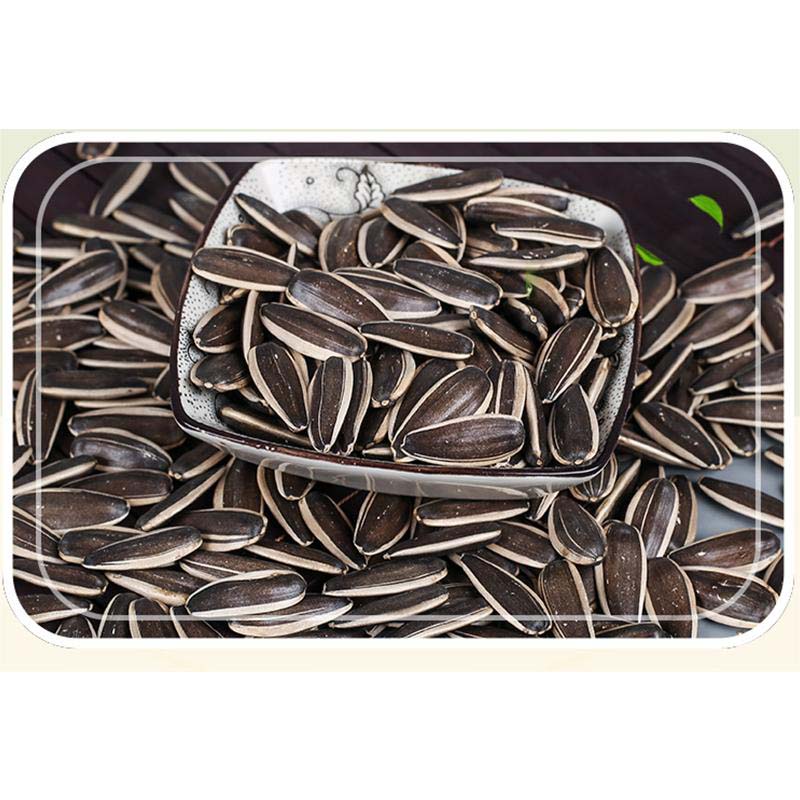
The primary raw material, sunflower seeds ( Helianthus annuus), is a biological matrix comprised of approximately 35-55% oil, 20-30% protein, 10-20% hull (seed coat), and 5-15% moisture. The hull provides structural integrity, while the kernel contains the oil-rich endosperm and protein-rich germ. The oil is predominantly composed of linoleic acid (C18:2, approximately 60-70%) and oleic acid (C18:1, approximately 20-40%), with minor amounts of palmitic and stearic acids. Manufacturing begins with seed cleaning – removing foreign materials like stems, leaves, and dirt using screens, air separators, and magnetic separators. Dehulling is a crucial step, often employing impact dehullers or abrasive dehullers. Impact dehullers utilize controlled impact forces to fracture the hull, while abrasive dehullers utilize friction between seeds and a rotating surface. Parameter control is critical; excessive impact leads to kernel damage, reducing oil quality, while insufficient impact leaves hulls attached. Subsequently, the kernels undergo flaking, where they are rolled between chilled steel rollers to disrupt cell walls and increase surface area for efficient oil extraction. Solvent extraction, typically using hexane, is the dominant method for oil recovery. Hexane’s low boiling point facilitates its removal after extraction. The resulting oil is then refined – degumming, neutralizing, bleaching, and deodorizing – to remove impurities and improve flavor and stability. The meal, the residual material after oil extraction, is a valuable protein source for animal feed. Seed moisture content is paramount throughout the process, affecting dehulling efficiency and oil yield. Optimal moisture content for dehulling is typically between 9-12%. Steel quality in rollers and dehullers impacts both product quality and equipment lifespan. The chemical compatibility of materials used in solvent extraction (e.g., stainless steel, specialized alloys) with hexane is vital to prevent corrosion and contamination.

Performance & Engineering
The performance of a water sunflower seed factory is intricately linked to heat transfer, fluid dynamics, and material strength. Force analysis is vital in equipment design, particularly in dehulling and flaking, to withstand impact loads and shear stresses. Environmental resistance is crucial, especially in storage areas where temperature and humidity control prevent mold growth and aflatoxin contamination. Compliance requirements stem from food safety regulations (HACCP, GMP) and environmental protection standards (wastewater treatment, air emissions). Functional implementation centers around optimizing the extraction process. Hexane recovery systems, typically utilizing distillation and condensation, are engineered for >99% recovery to minimize solvent loss and environmental impact. The design of extraction vessels must ensure intimate contact between the seed flakes and the solvent, maximizing oil yield. The meal drying process – typically utilizing rotary dryers or fluid bed dryers – necessitates precise temperature control to preserve protein quality and prevent scorching. Proper ventilation systems are vital to remove hexane vapors and maintain a safe working environment. The structural integrity of storage silos is critical, requiring regular inspection for corrosion and structural fatigue. Calculations of shear strength and tensile strength of materials used in construction are performed to ensure safe operation. The thermal conductivity of materials used in heat exchangers affects energy efficiency and oil quality.
Technical Specifications
| Parameter | Unit | Typical Value | Tolerance |
|---|---|---|---|
| Seed Moisture Content (Input) | % | 9-12 | ±0.5 |
| Oil Content (Seed) | % | 45-55 | ±2 |
| Hull Content (Post-Dehulling) | % | <5 | ±1 |
| Hexane Residual (Oil) | ppm | <1 | N/A (Regulatory Limit) |
| Aflatoxin Level (Oil/Meal) | ppb | <20 | N/A (Regulatory Limit) |
| Extraction Efficiency | % | 98-99 | ±0.5 |
Failure Mode & Maintenance
Failure modes in water sunflower seed factories are diverse. Fatigue cracking in dehulling equipment due to repeated impact loading is common, necessitating regular non-destructive testing (NDT) and component replacement. Delamination of flaking rolls can occur due to improper temperature control or material defects, resulting in uneven flake thickness and reduced oil yield. Corrosion of hexane recovery systems, especially in areas with moisture ingress, can lead to leaks and solvent loss. Biofouling in cooling water systems reduces heat transfer efficiency and promotes microbial growth. Wear and tear of conveyor belts and screens lead to material loss and contamination. Oxidation of oil during storage degrades quality, requiring inert gas blanketing (nitrogen) and temperature control. Maintenance solutions include preventative maintenance schedules (lubrication, inspection, parts replacement), regular cleaning to prevent biofouling and contamination, corrosion inhibitors for metal surfaces, and vibration analysis to detect bearing failures. Predictive maintenance using sensors and data analytics can anticipate failures and optimize maintenance intervals. Regular inspection of seals and gaskets in hexane systems is vital to prevent leaks. Proper grounding of equipment is necessary to prevent static discharge and potential fire hazards. The implementation of a robust preventative maintenance program, coupled with operator training on identifying early signs of failure, is crucial for maximizing uptime and minimizing downtime.
Industry FAQ
Q: What is the impact of seed variety on oil yield and quality?
A: Seed variety significantly influences oil content, fatty acid profile, and hull percentage. High-oleic varieties produce oil with greater oxidative stability, extending shelf life. Hybrid varieties often exhibit higher yields and improved disease resistance. Careful seed selection is therefore critical to optimizing processing parameters and achieving desired oil quality characteristics.
Q: How do you manage hexane emissions to meet environmental regulations?
A: Effective hexane management is paramount. This involves employing highly efficient hexane recovery systems (>99% recovery rate), implementing leak detection and repair (LDAR) programs, utilizing vapor recovery units (VRUs), and ensuring proper ventilation. Continuous monitoring of air emissions is necessary to demonstrate compliance with regulatory limits.
Q: What measures are taken to prevent aflatoxin contamination?
A: Aflatoxin contamination is a serious food safety concern. Prevention strategies include sourcing seeds from reputable suppliers with robust quality control programs, implementing strict cleaning and drying procedures, controlling storage conditions (temperature, humidity), and utilizing mycotoxin binders in animal feed applications.
Q: What are the key considerations when selecting materials for equipment used in solvent extraction?
A: Materials must exhibit excellent chemical resistance to hexane, possess sufficient mechanical strength to withstand operating pressures, and be compatible with food safety regulations. Stainless steel (304, 316) and specialized alloys are commonly used. Seals and gaskets must also be hexane-resistant.
Q: How do you optimize the flaking process for maximum oil extraction efficiency?
A: Optimal flaking involves achieving uniform flake thickness and preventing excessive fines generation. This requires precise control of roller gap, roller speed, and seed moisture content. Chilled rollers are essential to prevent oil smearing and maintain flake integrity. Regular inspection and maintenance of flaking rolls are vital.
Conclusion
The efficient and safe operation of a water sunflower seed factory hinges on a deep understanding of the interplay between material science, engineering principles, and regulatory compliance. Maintaining stringent control over seed quality, optimizing processing parameters, and implementing robust maintenance programs are essential for maximizing oil yield, ensuring product safety, and minimizing environmental impact. The industry is continually evolving, driven by advancements in seed breeding, solvent extraction technologies, and automation.
Future trends will likely focus on sustainable processing practices – reducing solvent usage, maximizing byproduct utilization (meal, hulls), and minimizing energy consumption. The integration of data analytics and machine learning will enable predictive maintenance, optimized process control, and enhanced product quality. Continued innovation in dehulling and flaking technologies will further improve efficiency and reduce kernel damage, ultimately contributing to a more sustainable and profitable sunflower seed processing industry.
