Introduction
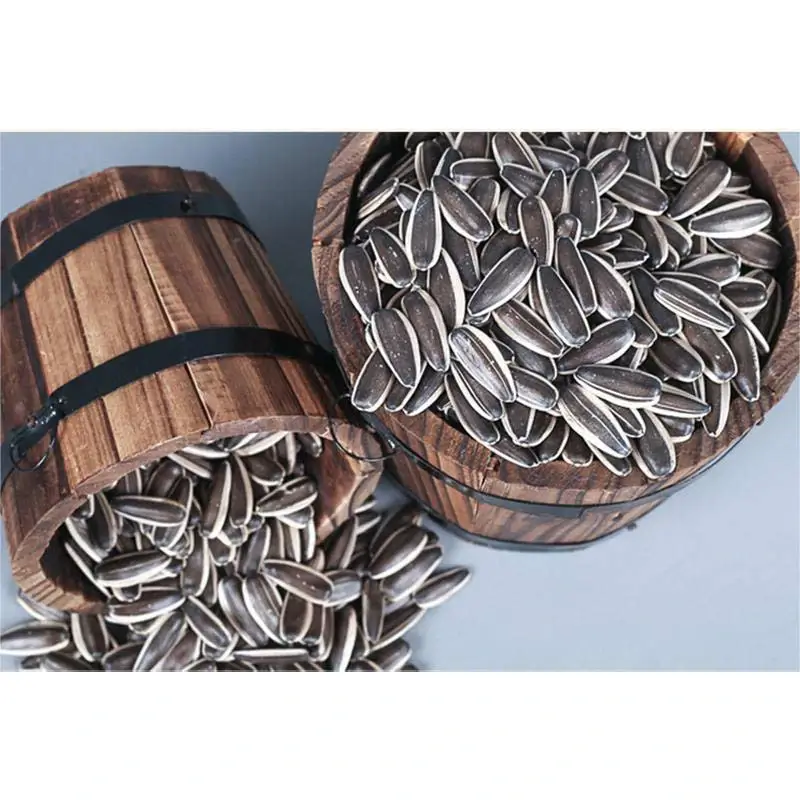
Watermelon seed, Citrullus lanatus, represents a significant agricultural commodity with diverse applications ranging from direct consumption as a snack food to oil extraction for culinary and industrial purposes. Suppliers in this sector navigate a complex chain encompassing breeding, cultivation, harvesting, processing, and quality control. This guide provides a comprehensive technical overview of watermelon seed characteristics, manufacturing processes, performance criteria, potential failure modes, and relevant industry standards, aimed at procurement managers, quality control engineers, and agricultural technologists. The core performance characteristics – germination rate, oil content, protein content, and physical integrity – are critical determinants of market value and usability. A prevalent pain point for buyers is consistent seed quality across batches, particularly concerning the uniformity of oil yield and the absence of contaminants such as fungal pathogens and pesticide residues. This technical analysis addresses these concerns with a detailed examination of the factors influencing seed quality and the methods for ensuring adherence to international standards.
Material Science & Manufacturing
Watermelon seeds primarily consist of lipids (30-50% depending on variety), proteins (20-30%), carbohydrates (10-15%), and moisture (8-12%). The lipid fraction is dominated by unsaturated fatty acids, including linoleic acid (omega-6) and oleic acid (omega-9), contributing to the seed's nutritional value. Seed coat composition includes cellulose, hemicellulose, and lignin, providing structural integrity. Manufacturing begins with variety selection – hybrid varieties are often favored for higher yield and desirable oil profiles. Harvesting timing significantly impacts seed quality; seeds harvested at physiological maturity exhibit optimal oil content and germination rates. Post-harvest processing involves drying (typically to 8-10% moisture content) to prevent fungal growth. Mechanical threshing separates the seeds from the pulp, followed by cleaning and grading based on size and weight. A critical parameter in drying is temperature control; excessive heat can denature proteins and reduce oil quality. Grading accuracy is paramount, as seed size correlates with oil content and germination potential. Storage conditions (temperature, humidity, and oxygen exposure) are crucial for preserving seed viability and preventing lipid oxidation. Controlled atmosphere storage (low temperature and reduced oxygen) is employed for long-term preservation. Chemical treatments, like fungicide application, are sometimes used during processing, requiring stringent residue monitoring.
Performance & Engineering
Performance evaluation of watermelon seeds centers on several key parameters. Germination rate, assessed using standard seed testing protocols (ISTA rules), is a primary indicator of viability. Oil extraction efficiency is determined using solvent extraction methods (hexane is common), with yield expressed as a percentage of seed weight. Oil quality analysis involves determining the fatty acid profile using gas chromatography (GC) and assessing peroxide value (PV) and acid value (AV) to indicate oxidation levels. Protein content is quantified using the Kjeldahl method. Physical integrity is evaluated by assessing seed hardness (using a penetrometer) and resistance to mechanical damage during handling and processing. From an engineering perspective, the design of seed processing equipment (threshers, cleaners, graders) must minimize seed damage and maximize efficiency. The flow rate of seeds through processing lines and the impact angles within machinery are crucial design considerations. Dust control is essential to prevent explosions and maintain air quality. Furthermore, compliance with food safety regulations (HACCP, GMP) necessitates robust cleaning and sanitation procedures throughout the processing facility. Environmental resistance, specifically resistance to fungal and insect infestation, is a significant performance attribute, influenced by seed coat composition and storage conditions.
Technical Specifications
| Parameter | Unit | Typical Range (High Quality Seeds) | Testing Method |
|---|---|---|---|
| Germination Rate | % | ≥ 85 | ISTA Standard |
| Oil Content | % (dry weight basis) | 40 - 50 | Soxhlet Extraction (AOAC) |
| Protein Content | % (dry weight basis) | 25 - 35 | Kjeldahl Method (AOAC) |
| Moisture Content | % | ≤ 8 | Oven Drying Method (ISTA) |
| Seed Size (Length) | mm | 8 - 12 | Sieve Analysis |
| Acid Value (Oil) | mg KOH/g | ≤ 0.5 | Titration (AOCS Cd 3-63) |
Failure Mode & Maintenance
Watermelon seeds are susceptible to several failure modes. Physical damage during harvesting or processing can lead to cracked seed coats, reducing germination rates. Fungal infections (e.g., Fusarium, Aspergillus) can occur during drying or storage, resulting in seed decay and mycotoxin contamination. Lipid oxidation, accelerated by exposure to oxygen, light, and heat, diminishes oil quality and nutritional value, manifested as rancidity. Insect infestation can cause direct seed damage and contamination. Protein denaturation due to excessive drying temperatures can negatively impact germination. Maintenance of storage facilities is critical. Regular cleaning and disinfection are essential to prevent fungal and insect growth. Temperature and humidity control systems must be functioning optimally. Seed lots should be monitored periodically for germination rate and oil quality during storage. Preventative fungicide treatments can be applied during processing, but residue levels must be monitored. Proper packaging (airtight containers, moisture barriers) is essential to minimize exposure to oxygen and moisture. Routine inspection of processing equipment for wear and tear, and timely replacement of worn parts, minimizes seed damage during handling.
Industry FAQ
Q: What is the acceptable level of aflatoxin contamination in watermelon seeds destined for human consumption?
A: Aflatoxin levels are strictly regulated by international bodies. The permissible limit varies by country, but typically falls within 2-10 ppb (parts per billion). Suppliers must implement robust quality control measures, including pre-harvest monitoring and post-harvest testing using ELISA or HPLC methods, to ensure compliance with regulatory standards.
Q: How does the variety of watermelon impact the oil yield and fatty acid profile of the seeds?
A: Hybrid varieties specifically bred for oil production generally yield higher oil content compared to open-pollinated varieties. The fatty acid profile is also variety-dependent. Some varieties are richer in linoleic acid (omega-6), while others have a higher proportion of oleic acid (omega-9). This influences the oil’s suitability for different applications.
Q: What are the key considerations for long-term storage of watermelon seeds to maintain germination viability?
A: Optimal storage conditions involve low temperature (≤ 10°C), low humidity (≤ 60% RH), and reduced oxygen levels. Seeds should be stored in airtight containers or bags with moisture barriers. Regular monitoring of temperature and humidity is crucial. Controlled atmosphere storage with nitrogen flushing can further extend shelf life.
Q: What analytical methods are used to determine the purity and authenticity of watermelon seeds?
A: Purity is assessed through physical inspection and seed counting. Authenticity can be verified using DNA fingerprinting techniques to confirm the variety. Microscopic examination can detect the presence of other seed types or contaminants. Fatty acid profiling using GC can also provide clues about origin and processing.
Q: What are the common causes of reduced germination rate in watermelon seeds and how can they be mitigated?
A: Reduced germination can stem from physical damage, fungal infections, seed aging, improper drying, or unfavorable storage conditions. Mitigations include careful handling during harvesting and processing, proper drying techniques, appropriate storage practices, and seed treatments with fungicides (when permissible and in compliance with regulations).
Conclusion
Watermelon seed quality is a multifaceted parameter influenced by genetics, agronomic practices, processing techniques, and storage conditions. Maintaining consistent quality requires meticulous attention to detail throughout the entire supply chain. Germination rate, oil content, and fatty acid profile are key performance indicators that dictate market value and suitability for various applications. Suppliers must prioritize adherence to international standards and implement robust quality control measures to minimize failure modes and ensure customer satisfaction.
Future trends in the watermelon seed industry are likely to focus on developing varieties with enhanced oil quality (e.g., higher oleic acid content) and improved resistance to fungal diseases. Sustainable agricultural practices, including reduced pesticide use and water conservation, will also gain increasing importance. The implementation of blockchain technology for traceability could further enhance transparency and accountability in the supply chain.
