Introduction
Watermelon seed supply represents a critical link in the agricultural value chain, extending from seed breeding and production through to commercial watermelon cultivation. This technical guide provides an in-depth analysis of watermelon seed characteristics, manufacturing processes involved in seed preparation, performance considerations for optimal germination and yield, potential failure modes impacting seed viability, and relevant international standards governing seed quality. The industry faces persistent challenges related to genetic purity, seed dormancy, susceptibility to fungal and bacterial pathogens, and ensuring consistent germination rates under varying environmental conditions. This document aims to equip procurement managers, agricultural engineers, and quality control personnel with the knowledge necessary to evaluate and select high-quality watermelon seeds from reliable suppliers.
Material Science & Manufacturing
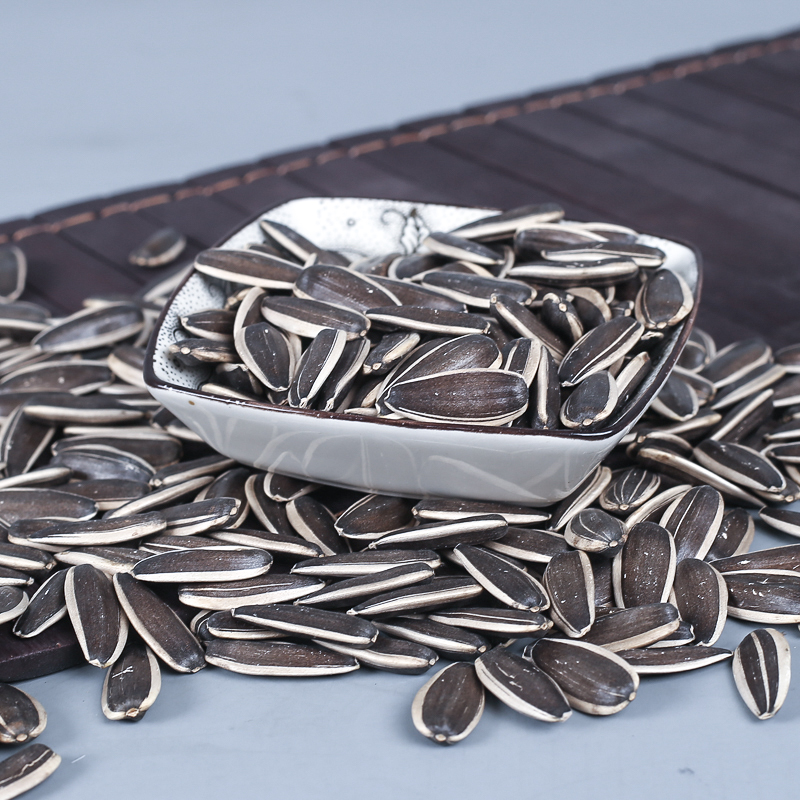
Watermelon seeds (Citrullus lanatus) are composed primarily of an embryo, endosperm (providing nutrient reserves), and a seed coat (testa). The testa’s composition is crucial; it’s predominantly cellulose (approximately 40-60%), hemicellulose (20-30%), and lignin (10-20%), providing physical protection. The endosperm contains significant quantities of oils (approximately 20-40% by weight, predominantly linoleic acid), proteins (20-30%), and carbohydrates (20-30%). Seed manufacturing begins with harvesting mature fruits, extracting the seeds, and undergoing a rigorous cleaning process to remove pulp residue. Subsequent drying – typically utilizing air drying or controlled-temperature drying – reduces moisture content to 7-9% for optimal storage stability. Seed treatment, a critical step, often involves fungicide application (e.g., Thiram, Captan) to prevent seed-borne diseases and insecticide coating (e.g., Imidacloprid) to protect against early-stage insect pests. Pelleting, coating seeds with inert materials like clay or polymers, improves handling characteristics for mechanical planting. Parameter control during drying is paramount; excessive temperatures can denature proteins and reduce viability, while insufficient drying promotes fungal growth. Seed size and weight are also precisely controlled, as they correlate with vigor and germination potential.
Performance & Engineering
Watermelon seed performance is dictated by several key engineering properties. Germination rate, typically expressed as a percentage, reflects the proportion of seeds that successfully sprout under controlled conditions. This is directly related to seed vigor, which encompasses factors like seedling growth rate and root development. Seed dormancy, a physiological state preventing immediate germination, must be overcome through stratification (cold, moist storage) or scarification (physical abrasion of the seed coat) depending on the cultivar. Environmental resistance is also critical; seeds must tolerate fluctuations in temperature, moisture, and soil salinity. Force analysis, while not directly applied to individual seeds, informs the design of mechanical planters to minimize seed damage during handling and placement. Compliance requirements vary by region, often adhering to regulations regarding genetically modified organisms (GMOs) and pesticide residues. The seed’s coat tensile strength plays a crucial role in resisting breakage during planting. Furthermore, the oil content influences caloric value for seedling establishment. Understanding the seed's metabolic rate during germination is essential for optimizing planting depth and ensuring adequate oxygen availability.
Technical Specifications
| Germination Rate (%) | Purity (%) | Moisture Content (%) | Oil Content (%) |
|---|---|---|---|
| ≥ 85 | ≥ 98 | 7-9 | 20-40 |
| ≥ 80 (Organic) | ≥ 99 (Certified) | 6-8 | 25-35 |
| ≥ 75 (Hybrid Varieties) | ≥ 97 | 8-10 | 30-45 |
| ≥ 90 (Premium Seed) | ≥ 99.5 | 7-8 | 35-42 |
| ≥ 70 (Open-Pollinated) | ≥ 95 | 8-11 | 18-28 |
| ≥ 82 (Disease Resistant) | ≥ 98.5 | 7-9.5 | 28-38 |
Failure Mode & Maintenance
Several failure modes can compromise watermelon seed viability. Physiological deterioration, resulting from improper storage conditions (high temperature, humidity), leads to reduced germination rates. Mechanical damage during handling and planting causes seed coat fractures, allowing pathogen entry and inhibiting germination. Fungal infections (e.g., Fusarium, Rhizoctonia) and bacterial contamination can pre- or post-emergence damping-off, killing seedlings. Seed dormancy issues can result in asynchronous germination or complete failure to germinate. Genetic mutations, although less frequent, can lead to reduced vigor or undesirable fruit characteristics. Oxidation of seed oils can degrade nutritional value and reduce viability. Maintenance involves proper storage in cool, dry conditions (5-10°C, relative humidity below 60%). Implementing strict quality control measures during seed processing – including fungicide treatment and regular seed testing – is crucial. Regular monitoring of seed lots for pathogen presence and germination rates is recommended. Seed revitalization techniques, such as priming (controlled hydration), can enhance germination in aging seed lots. Implementing a robust seed traceability system is vital for identifying the source of seed failures and implementing corrective actions.
Industry FAQ
Q: What are the key indicators of seed quality beyond germination rate?
A: Seed quality encompasses several factors beyond germination rate. These include seed purity (absence of weed seeds and other crop seeds), seed vigor (seedling growth rate and robustness), seed moisture content (influencing storage life), seed health (absence of seed-borne pathogens), and genetic purity (ensuring the variety is true-to-type). A comprehensive seed analysis should assess all these parameters.
Q: How does seed treatment impact long-term environmental sustainability?
A: Seed treatment, while offering protection against pests and diseases, raises environmental concerns regarding pesticide residues. Sustainable practices involve utilizing integrated pest management (IPM) strategies, employing biological seed treatments (e.g., beneficial microbes), and selecting seed treatments with minimal environmental impact. Careful consideration of application rates and adherence to regulatory guidelines are essential.
Q: What are the implications of using hybrid versus open-pollinated watermelon seeds?
A: Hybrid seeds (F1 hybrids) typically exhibit higher vigor and yield potential due to heterosis (hybrid vigor). However, seeds saved from hybrid fruits will not breed true; subsequent generations will exhibit variability. Open-pollinated seeds, while less vigorous, breed true, allowing farmers to save seeds for future planting. The choice depends on the farmer's priorities: yield and uniformity versus seed saving capabilities.
Q: How can seed suppliers ensure consistent seed quality across different batches?
A: Consistent seed quality requires rigorous quality control throughout the entire production process. This includes sourcing high-quality parent lines, implementing standardized harvesting and drying procedures, performing regular seed testing for germination, purity, and health, and maintaining strict traceability records. Implementing a robust quality management system (e.g., ISO 9001) is crucial.
Q: What is the role of seed pelleting in modern watermelon production?
A: Seed pelleting enhances seed handling characteristics for automated planting equipment, improves seed flowability, and can incorporate beneficial compounds like micronutrients or biostimulants. Pelleting also reduces seed dust and provides a uniform seed size for precise placement. However, the coating material must be biodegradable and not inhibit germination.
Conclusion
Watermelon seed selection is a multifaceted process demanding a thorough understanding of seed physiology, manufacturing techniques, performance characteristics, and potential failure modes. The parameters detailed within this guide – germination rate, purity, moisture content, and oil content – serve as critical benchmarks for evaluating supplier offerings and ensuring optimal crop establishment. Ultimately, procuring high-quality watermelon seeds from reputable suppliers is a foundational step towards maximizing yield, minimizing losses due to seed-borne diseases, and ensuring the economic viability of watermelon production.
Looking forward, advancements in seed technology, including precision seed treatments, seed priming techniques, and genetic engineering for improved disease resistance, will continue to shape the industry. Adoption of sustainable seed production practices, minimizing pesticide use and promoting biodiversity, will be increasingly important to address environmental concerns and maintain long-term agricultural productivity. Continuous monitoring of seed quality and adherence to international standards will remain paramount for ensuring a reliable and sustainable watermelon seed supply.
