Introduction
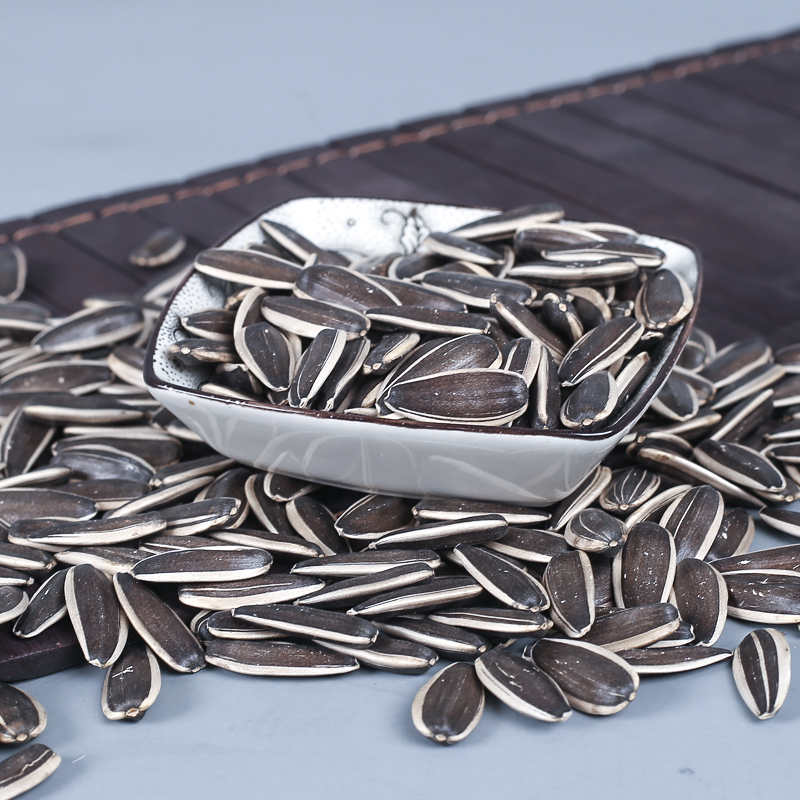
Watermelon seed products, encompassing both whole seeds and processed kernels, represent a significant segment within the snack food and agricultural processing industries. Technically, these seeds, derived from Citrullus lanatus, are positioned as a byproduct of watermelon cultivation, transitioning into a value-added consumable item. Their composition comprises a lipid-rich kernel enclosed by a hard seed coat. The core performance characteristics driving market demand center around nutritional value—specifically, protein and unsaturated fatty acid content—palatability achieved through roasting and seasoning, and shelf stability. Industry pain points revolve around consistent seed quality (size, maturity, absence of defects), efficient dehulling/processing techniques to maximize kernel yield, and consumer perception regarding textural attributes and potential allergens. The growing trend toward plant-based protein sources positions watermelon seeds as an increasingly relevant component within functional food applications.
Material Science & Manufacturing
The raw material, watermelon seeds, are primarily composed of lipids (40-50%), proteins (25-30%), carbohydrates (10-15%), and moisture (5-10%). The lipid fraction is rich in linoleic acid, an essential omega-6 fatty acid. The seed coat, largely cellulose and lignin, provides structural integrity but is typically removed during processing. Manufacturing begins with seed collection, cleaning, and drying to reduce moisture content to approximately 8-10% to prevent mold growth. Dehulling is a critical step, often accomplished through mechanical methods involving impact and friction. Efficient dehulling minimizes kernel damage and maximizes yield. Roasting, typically conducted at temperatures between 120-180°C, is employed to develop flavor, enhance crispness, and reduce residual moisture. Seasoning, utilizing salt, spices, and flavor enhancers, constitutes the final processing stage. Parameter control during roasting is paramount; over-roasting leads to lipid oxidation and off-flavors, while under-roasting results in a soft, unappetizing texture. Precise control of roasting time, temperature, and airflow are critical. The chemical compatibility of seasoning blends with the lipid matrix must also be considered to prevent rancidity or discoloration.
Performance & Engineering
Performance of watermelon seed products is evaluated based on several key engineering principles. Shear force analysis determines the textural properties – crispness and resistance to fracture. Higher shear force indicates a harder, less desirable texture. Lipid oxidation stability, measured by peroxide value (PV) and anisidine value (AV), is a crucial performance indicator affecting shelf life. Environmental resistance focuses on moisture uptake and its impact on texture and rancidity. Packaging materials play a significant role in mitigating moisture ingress and oxygen permeation. Compliance requirements include food safety standards (HACCP, GMP), allergen labeling regulations (depending on processing and seasoning), and permissible limits for heavy metals and pesticides. Functional implementation often involves controlling particle size distribution for even roasting and seasoning adhesion. Force analysis during dehulling determines the efficiency of the mechanical process and minimizes kernel breakage. The engineering challenge lies in optimizing processing parameters to achieve desired textural, flavor, and shelf-life characteristics while adhering to stringent quality control standards.
Technical Specifications
| Parameter | Unit | Specification (Whole Seeds) | Specification (Kernels) |
|---|---|---|---|
| Moisture Content | % | ≤ 10 | ≤ 8 |
| Lipid Content | % | 45-55 | 50-60 |
| Protein Content | % | 20-30 | 25-35 |
| Ash Content | % | ≤ 5 | ≤ 4 |
| Peroxide Value (PV) | meq O₂/kg | ≤ 5 | ≤ 4 |
| Anisidine Value (AV) | – | ≤ 20 | ≤ 15 |
Failure Mode & Maintenance
Failure modes in watermelon seed products primarily manifest as rancidity, texture degradation, and microbial spoilage. Rancidity, driven by lipid oxidation, is accelerated by exposure to oxygen, light, and elevated temperatures. Texture degradation occurs due to moisture uptake, leading to loss of crispness, or excessive roasting causing brittleness. Microbial spoilage, though less common with proper processing, can result from contamination during handling or inadequate drying. Fatigue cracking of the seed coat can occur during harsh mechanical processing. Delamination of the kernel from the seed coat during dehulling indicates improper operating parameters. Preventative maintenance of processing equipment (dehullers, roasters, seasoning applicators) is crucial. Regular cleaning prevents build-up of seed residue and reduces the risk of microbial contamination. Calibration of temperature sensors and control systems ensures consistent roasting profiles. Proper storage, in airtight containers and cool, dark environments, minimizes lipid oxidation and moisture uptake. Periodic quality control testing (PV, AV, moisture content) monitors product stability and identifies potential issues before they escalate. A robust traceability system allows for swift identification and recall of affected batches.
Industry FAQ
Q: What is the primary factor contributing to off-flavors in roasted watermelon seeds?
A: Lipid oxidation is the primary contributor. Exposure to oxygen, high temperatures during roasting, and prolonged storage accelerate lipid peroxidation, resulting in rancid flavors. Utilizing antioxidant packaging and optimizing roasting parameters (time, temperature, airflow) can mitigate this.
Q: How does seed variety impact the final product quality?
A: Seed variety significantly impacts kernel size, lipid content, and seed coat thickness. Varieties with larger kernels and higher lipid content generally yield a more desirable product. Thicker seed coats can make dehulling more challenging.
Q: What are the critical control points for ensuring food safety during processing?
A: Critical control points include thorough seed cleaning to remove foreign materials, effective drying to reduce moisture content, proper roasting to eliminate pathogens, and hygienic handling practices throughout the process. Regular sanitation of equipment is also essential.
Q: What packaging materials are most effective at maintaining product shelf life?
A: Multi-layer films incorporating a metallic barrier (aluminum foil) and oxygen absorbers are most effective. These materials minimize oxygen permeation and moisture ingress, extending shelf life by reducing lipid oxidation and texture degradation.
Q: How can we minimize kernel breakage during the dehulling process?
A: Optimizing dehulling parameters—impact force, friction surface characteristics, and feed rate—is crucial. Maintaining consistent seed moisture content and ensuring proper equipment maintenance also help minimize breakage. Gradual adjustments to the dehulling process are recommended.
Conclusion
Watermelon seed products represent a viable and increasingly attractive snack option, driven by consumer demand for nutritious and plant-based foods. The manufacturing process, while seemingly straightforward, demands precise control over material science principles—particularly lipid chemistry and heat transfer—to ensure optimal product quality and shelf life. Understanding failure modes and implementing proactive maintenance strategies are critical for minimizing losses and maintaining consistent product standards.
Future developments will likely focus on innovative dehulling technologies to maximize kernel yield and minimize breakage, alongside advancements in packaging materials to further enhance barrier properties and extend shelf life. Exploration of novel seasoning blends and functional ingredients will also contribute to product differentiation and appeal. Adherence to relevant international standards will remain paramount for ensuring food safety and market access.
