
Introduction
Watermelon seed processing represents a critical segment within the agricultural and food industries, bridging primary agricultural production with consumer packaged goods. This guide provides an in-depth technical analysis of watermelon seed handling, processing, quality control, and potential failure modes, geared towards manufacturers supplying both food and agricultural sectors. Watermelon seeds (Citrullus lanatus) are increasingly recognized not merely as a byproduct of watermelon consumption, but as a valuable source of protein, fats, and micronutrients, driving demand for specialized processing techniques. The industry’s core performance metrics revolve around seed viability for agricultural applications, edible seed quality (flavor, texture, absence of bitterness), and minimization of processing losses. Key pain points for manufacturers include maintaining seed sterility, mitigating aflatoxin contamination, achieving consistent roasting profiles, and adhering to stringent food safety regulations. This comprehensive technical guide addresses these challenges, providing a detailed examination of materials, processes, and performance parameters.
Material Science & Manufacturing
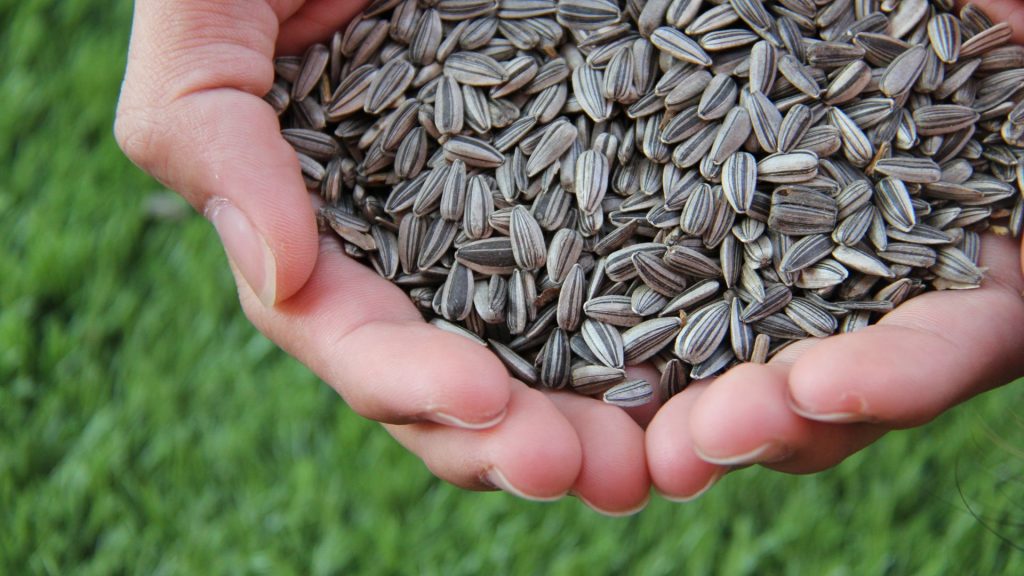
The primary material, the watermelon seed itself, exhibits complex physical and chemical properties. The seed coat, composed largely of cellulose and lignin, provides a protective barrier. Seed composition varies based on watermelon cultivar, growing conditions, and maturity stage, but typically consists of 35-50% oil (primarily linoleic acid, an omega-6 fatty acid), 25-30% protein, 15-20% carbohydrates, and 5-10% moisture. Manufacturing processes commence with seed harvesting and initial cleaning, removing pulp and debris using vibratory screens and air separators. Drying is crucial, typically employing forced-air drying systems to reduce moisture content to approximately 8-10% for storage stability. Shelling, or dehulling, is a critical step for edible seed production, often achieved through impact dehullers or abrasive peeling methods. Parameter control is paramount during dehulling; excessive force results in kernel damage, reducing edible yield. Roasting, utilizing rotary or fluid-bed roasters, develops flavor and reduces moisture further. Temperature control (typically 120-150°C) and roast duration directly influence seed texture and taste. Oil extraction (if destined for oil production) utilizes mechanical pressing or solvent extraction (hexane is common), requiring careful solvent recovery systems to meet food safety standards. Post-processing includes seasoning (salting, flavoring) and packaging, utilizing materials with appropriate moisture and oxygen barrier properties.
Performance & Engineering
Performance evaluation focuses on several key areas. For seeds intended for agricultural use, germination rate and seedling vigor are critical, assessed through standardized germination tests (ISTA protocols). For edible seeds, sensory evaluation (taste, texture, appearance) is paramount, alongside nutritional analysis (oil content, protein content, fatty acid profile). The shell strength of the seed, a critical engineering parameter, influences dehulling efficiency and kernel damage. Force analysis using compression testing determines the force required to fracture the seed coat. Environmental resistance, specifically moisture absorption and susceptibility to fungal growth (especially Aspergillus species leading to aflatoxin contamination), necessitates appropriate storage and packaging solutions. Compliance requirements include adherence to food safety regulations (FDA, EFSA, local regulations) regarding aflatoxin levels, pesticide residues, and heavy metal contamination. Functional implementation of processing equipment demands precise control of airflow, temperature gradients, and impact forces to optimize yield and minimize defects. Packaging engineering focuses on selecting materials that provide adequate moisture and oxygen barriers to maintain product quality and shelf life, and prevent rancidity of the oil content.
Technical Specifications
| Parameter | Unit | Specification (Agricultural Grade) | Specification (Edible Grade) |
|---|---|---|---|
| Germination Rate | % | ≥ 85 | N/A |
| Moisture Content | % | ≤ 8 | ≤ 6 |
| Oil Content | % (dry weight basis) | N/A | ≥ 45 |
| Protein Content | % (dry weight basis) | ≥ 28 | ≥ 25 |
| Aflatoxin Level (B1, B2, G1, G2) | ppb | ≤ 20 | ≤ 4 |
| Shell Strength (Fracture Force) | N | 15-25 | 8-15 |
Failure Mode & Maintenance
Failure modes in watermelon seed processing are diverse. Kernel cracking during dehulling is a common issue, stemming from excessive impact force or improper equipment calibration. Aflatoxin contamination is a major concern, arising from fungal growth during pre-harvest conditions, improper drying, or inadequate storage. Rancidity, caused by lipid oxidation, degrades seed flavor and nutritional value, accelerated by exposure to oxygen, light, and elevated temperatures. Mechanical failure of processing equipment (dehullers, roasters, conveyors) leads to production downtime and potential contamination. Biological degradation by insects and rodents during storage also represents a significant failure mode. Maintenance solutions include regular inspection and calibration of processing equipment, implementation of robust cleaning and sanitation protocols to prevent fungal growth, utilization of airtight storage containers and modified atmosphere packaging (MAP) to minimize oxidation and insect infestation, and adherence to strict quality control procedures for aflatoxin testing. Preventative maintenance schedules should include bearing lubrication, belt tension adjustments, and filter replacements to ensure optimal equipment performance and longevity. Regular inspection for signs of corrosion or wear are also critical.
Industry FAQ
Q: What are the critical control points for mitigating aflatoxin contamination during watermelon seed processing?
A: The critical control points include pre-harvest monitoring of watermelon fields for fungal infection, rapid and thorough drying of seeds immediately after harvest to reduce moisture content, rigorous cleaning to remove contaminated seeds, proper storage in airtight containers to prevent mold growth, and regular aflatoxin testing using ELISA or HPLC methods to verify compliance with regulatory limits.
Q: How does the cultivar of watermelon affect the oil quality and yield of the seeds?
A: Different watermelon cultivars exhibit significant variations in seed oil content and fatty acid composition. Cultivars bred for higher yield typically have larger seeds with higher oil content. The linoleic to oleic acid ratio also varies, influencing oil stability and flavor profile. Seed sourced from hybrid varieties may exhibit greater consistency in oil quality.
Q: What considerations are important when selecting materials for packaging watermelon seeds?
A: Packaging materials should provide a robust barrier against moisture, oxygen, and light to prevent rancidity and maintain seed viability. High-density polyethylene (HDPE), polypropylene (PP), and multi-layer films with aluminum foil or ethylene vinyl alcohol (EVOH) are commonly used. The material must also be food-grade and compliant with relevant packaging regulations.
Q: What are the common causes of kernel damage during the dehulling process, and how can they be minimized?
A: Kernel damage during dehulling is primarily caused by excessive impact force, improper dehuller settings, and variations in seed moisture content. Minimization strategies include optimizing dehuller speed and gap settings, ensuring consistent seed moisture content (8-10%), and using dehullers with adjustable impact forces. Regular maintenance of the dehulling equipment is also vital.
Q: What are the key performance indicators (KPIs) for evaluating the efficiency of a watermelon seed processing line?
A: Key KPIs include seed yield (percentage of recovered edible seeds), germination rate (for agricultural grade seeds), aflatoxin levels, oil content, protein content, kernel damage rate, processing throughput (tons per hour), and energy consumption per ton of processed seeds. Tracking these KPIs enables continuous improvement of the processing line’s efficiency and quality.
Conclusion
Watermelon seed processing demands a multifaceted approach encompassing material science, engineering principles, and stringent quality control measures. Maintaining optimal moisture content, employing appropriate dehulling techniques, and implementing robust aflatoxin mitigation strategies are crucial for maximizing yield and ensuring product safety. The increasing demand for watermelon seeds as a nutritious food source necessitates continuous innovation in processing technologies and packaging solutions.
Future development in the industry will likely focus on enhancing dehulling efficiency, improving aflatoxin detection methods, and exploring novel oil extraction technologies. Furthermore, sustainable processing practices, minimizing water and energy consumption, will gain prominence. Adherence to international standards and proactive risk management will remain paramount for watermelon seed manufacturers seeking to thrive in a competitive global market.
