Introduction
Watermelon seed processing facilities represent a critical node in the agricultural supply chain, transforming raw agricultural product into commercially viable seeds for planting or consumption. These factories encompass a range of operations, from seed extraction and cleaning to drying, grading, and packaging. The technical challenges within this industry center on maintaining seed viability, preventing fungal growth during processing and storage, and ensuring product quality and purity. Core performance characteristics are defined by germination rate, physical integrity (absence of cracks or damage), genetic purity, and freedom from contaminants (such as dust, chaff, and pathogens). This guide will provide an in-depth examination of the material science, manufacturing processes, engineering principles, and failure modes associated with watermelon seed factories, along with relevant industry standards.
Material Science & Manufacturing
The primary raw material, watermelon seeds, exhibit a complex biological structure. The seed coat (testa) is composed of cellulose, hemicellulose, and lignin, providing a protective barrier. The endosperm contains stored starch, proteins, and oils – crucial for germination. Water content within the seed is a critical parameter; excessive moisture promotes fungal growth, while insufficient moisture reduces viability. Manufacturing begins with seed extraction, typically involving mechanical pulping and washing to remove adhering fruit pulp. This process introduces the risk of physical damage to the seed coat. Cleaning utilizes air separation and sieving to remove chaff and debris. Drying is paramount, often employing forced-air dryers operating within a controlled temperature range (typically 40-60°C) to prevent protein denaturation and lipid oxidation. Seed grading is achieved through size and density separation. Packaging materials, commonly multi-layer polymeric films, must provide a moisture barrier and protect against light exposure. Parameter control during drying is vital; moisture content is monitored frequently and adjusted to achieve optimal storage stability. Furthermore, ethylene production by seeds during storage requires consideration, as it accelerates aging. Seed treatment with fungicides is common to mitigate fungal contamination, requiring careful selection of chemicals to avoid impacting germination rates.
Performance & Engineering
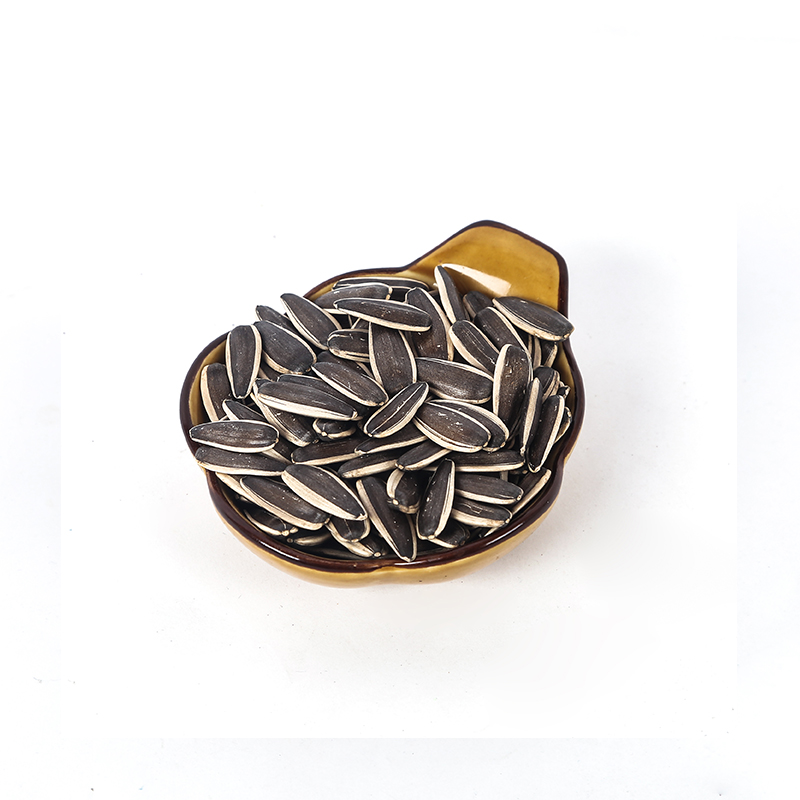
Performance in watermelon seed factories is fundamentally tied to seed viability, which is a function of genetic factors, environmental conditions during growth, and processing techniques. Engineering considerations focus on minimizing mechanical stress during handling and processing. Impact forces during extraction and cleaning can cause micro-cracks in the seed coat, increasing susceptibility to pathogen invasion and reducing germination rates. Airflow dynamics within drying systems must be optimized to ensure uniform drying and prevent seed damage. Storage facilities require precise temperature and humidity control. The hygroscopic nature of seeds dictates the need for low-humidity environments (typically below 60% relative humidity) to prevent moisture uptake. Furthermore, considerations around dust explosion hazards are critical. Watermelon seed dust is combustible, and adequate ventilation and grounding systems are necessary to mitigate this risk. Compliance requirements include adherence to seed certification standards (ensuring genetic purity and quality) and regulations governing the use of seed treatments. Force analysis in machinery, particularly during seed cracking and separation, is essential for optimizing equipment design and minimizing seed damage. The selection of materials for processing equipment must consider compatibility with seed constituents and resistance to corrosion.
Technical Specifications
| Parameter | Unit | Specification | Testing Method |
|---|---|---|---|
| Germination Rate | % | ≥ 85 | ISTA Procedure |
| Moisture Content | % | 8 – 12 | Oven Drying Method (ISTA) |
| Seed Purity | % | ≥ 98 | Visual Inspection & Seed Analysis |
| Inert Matter | % | ≤ 2 | Sieving & Weight Analysis |
| Seed Size (Length) | mm | 8 – 12 | Image Analysis |
| Seed Weight (1000 seeds) | g | 50 – 70 | Precision Weighing |
Failure Mode & Maintenance
Failure modes in watermelon seed factories can be broadly categorized into seed degradation and equipment malfunction. Seed degradation includes loss of viability due to improper drying, fungal contamination (leading to seed rot), mechanical damage during processing (cracking, chipping), and genetic deterioration over time. Fungal growth is a common failure mode, particularly during storage in humid conditions. Symptoms include visible mold growth and reduced germination rates. Mechanical damage can occur due to improper adjustment of processing equipment or excessive processing speeds. Equipment failure includes breakdowns of drying systems (leading to uneven drying and mold growth), malfunctioning cleaning equipment (resulting in seed contamination), and issues with packaging machines (affecting product sealing and shelf life). Preventive maintenance is crucial. Drying systems require regular filter cleaning and temperature calibration. Cleaning equipment needs periodic inspection and replacement of worn parts (sieves, brushes). Packaging machines should be inspected for proper sealing and labeling functionality. Seed storage facilities require regular monitoring of temperature and humidity, with corrective actions taken as needed. Regular seed viability testing is essential to identify deteriorating seed lots and prevent the distribution of non-viable seeds.
Industry FAQ
Q: What is the impact of seed coat cracking on germination rate?
A: Seed coat cracking significantly reduces germination rate by providing entry points for pathogens and increasing moisture absorption, leading to accelerated deterioration. Even micro-cracks can compromise the seed’s protective barrier and negatively impact viability. Careful control of mechanical stress during processing is crucial to minimize this issue.
Q: How does storage temperature affect seed longevity?
A: Storage temperature has a profound impact on seed longevity. Generally, every 10°C reduction in storage temperature doubles seed lifespan. Maintaining low temperatures (ideally below 10°C) significantly slows down metabolic processes and minimizes seed aging. Controlled temperature storage is a critical investment for seed factories.
Q: What are the common fungal pathogens affecting watermelon seeds?
A: Common fungal pathogens include Aspergillus, Fusarium, and Botrytis. These fungi can cause seed rot, damping-off of seedlings, and reduce germination rates. Proper drying, seed treatment with fungicides, and maintaining hygienic storage conditions are essential to prevent fungal contamination.
Q: What are the key considerations for selecting packaging materials?
A: Packaging materials should provide a moisture barrier, protect against light exposure, and prevent physical damage. Multi-layer polymeric films with aluminum foil layers are often used. The material must also be food-grade and compliant with relevant packaging regulations. Permeability to oxygen and water vapor are critical parameters.
Q: How often should seed viability testing be conducted?
A: Seed viability testing should be conducted at multiple stages: immediately after processing, after storage for 3 months, 6 months, and annually thereafter. This allows for early detection of seed deterioration and enables proactive measures to maintain seed quality. Regular testing is a crucial quality control measure.
Conclusion
Watermelon seed factory operations require a rigorous understanding of seed biology, material science, and engineering principles. Maintaining seed viability, preventing fungal contamination, and ensuring product quality are paramount. Precise control of drying parameters, meticulous storage conditions, and robust equipment maintenance are essential for optimal performance. The technical specifications outlined in this guide provide a framework for evaluating seed quality and process efficiency.
Looking ahead, advancements in seed coating technologies and automated processing systems will likely play a significant role in improving seed quality and reducing processing costs. Furthermore, the development of more accurate and rapid seed viability testing methods will enable more effective quality control and inventory management. Prioritizing sustainable practices, such as reducing energy consumption and minimizing waste, will also be crucial for long-term success.
