Introduction
Watermelon seed export is a significant component of the global agricultural trade, representing a specialized segment within the broader seed and oilseed market. These seeds, sourced primarily from Citrullus lanatus, are valued for their nutritional content – particularly protein and oil – and their diverse applications ranging from direct human consumption as a snack to oil extraction for culinary and industrial uses. The industry chain extends from agricultural cultivation and harvesting, through processing involving drying, grading, and cleaning, to packaging, international logistics, and ultimately, retail distribution. Critical performance characteristics driving market demand include seed viability (germination rate for propagation), oil content, kernel size, and freedom from contaminants such as aflatoxins and pesticides. Understanding these factors is paramount for exporters seeking to meet stringent international quality standards and cater to diverse consumer preferences. This guide provides a comprehensive technical overview of watermelon seed export, encompassing material science, manufacturing processes, performance considerations, potential failure modes, and relevant industry regulations.
Material Science & Manufacturing
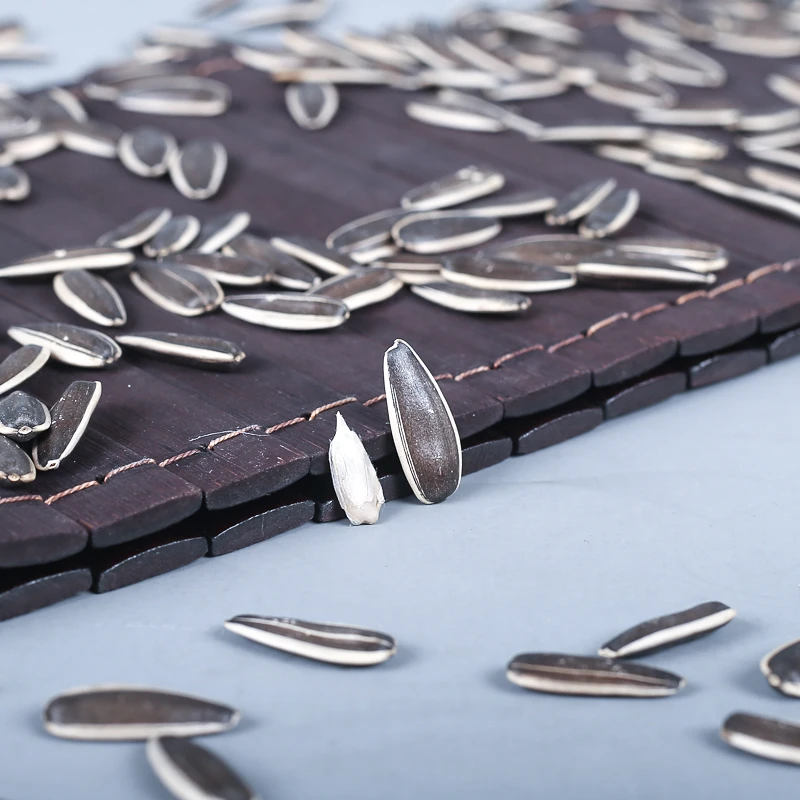
Watermelon seeds are primarily composed of lipids (30-50% by weight), proteins (20-30%), carbohydrates (10-15%), and moisture (5-10%), with smaller amounts of minerals and vitamins. The lipid fraction primarily consists of unsaturated fatty acids, including linoleic acid (omega-6) and oleic acid (omega-9), contributing to the seed's nutritional value. The seed coat, composed largely of cellulose and lignin, provides physical protection. Manufacturing begins with harvesting mature watermelons, typically at full ripeness. The seeds are then separated from the pulp via mechanical extraction and washed thoroughly. A crucial step is drying, traditionally achieved through sun-drying but increasingly replaced by controlled-temperature mechanical drying to minimize microbial growth and aflatoxin contamination. Drying parameters – temperature (≤40°C), airflow rate, and duration – are critical. Improper drying leads to cracking, reduced viability, and increased susceptibility to mold. Following drying, seeds undergo grading based on size and density, removing broken or underdeveloped seeds. Cleaning removes remaining pulp residue and foreign matter using sieves and air separators. Packaging utilizes moisture-barrier materials (polyethylene or polypropylene) to maintain seed viability during storage and transit. Quality control throughout the process involves monitoring moisture content (≤8%), oil content (using Soxhlet extraction), germination rate (using standard germination tests), and levels of contaminants (aflatoxins via ELISA or HPLC, pesticides via GC-MS). Seed treatment with fungicides (e.g., thiram) may be employed, adhering to permissible residue limits set by importing countries.
Performance & Engineering
The performance of watermelon seeds is critically tied to their physical integrity and chemical composition. Seed coat strength, assessed through impact resistance testing, is vital to prevent damage during handling and transport. Germination rate, a key indicator of seed viability, is influenced by seed age, storage conditions (temperature, humidity), and the presence of inhibitors. Oil content directly impacts the economic value of seeds destined for oil extraction, with higher oil content commanding premium prices. Aflatoxin contamination poses a significant health risk and is subject to strict regulatory limits. Engineering considerations focus on optimizing drying processes to minimize seed damage and maintain germination rates. Storage facilities must maintain low humidity and temperature to prevent mold growth and preserve seed viability. Packaging design must provide adequate moisture protection and prevent physical damage during handling. Logistics and transportation require careful consideration of temperature control to avoid overheating, which can degrade oil quality and reduce germination rates. Compliance with international food safety standards (e.g., HACCP, ISO 22000) is essential for market access. Force analysis during handling (impact, compression) informs packaging design to minimize seed breakage. Environmental resistance considers the seed's ability to withstand variations in temperature and humidity during storage and transport.
Technical Specifications
| Parameter | Unit | Typical Value (Commercial Grade) | Acceptable Range |
|---|---|---|---|
| Moisture Content | % | 7.5 | ≤ 8.0 |
| Oil Content | % | 40 | 38 - 45 |
| Germination Rate | % | 85 | ≥ 70 |
| Aflatoxin B1 | ppb | <2 | ≤ 4 |
| Kernel Size (average diameter) | mm | 6.0 | 5.5 - 7.0 |
| Broken Kernel Percentage | % | 3 | ≤ 5 |
Failure Mode & Maintenance
Failure modes in watermelon seed export include: 1) Biological Degradation: Mold growth (caused by improper drying or storage) leading to aflatoxin contamination and reduced germination rates. 2) Physical Damage: Cracking or breakage during harvesting, processing, handling, or transport, reducing seed viability and market value. 3) Oil Rancidity: Oxidation of unsaturated fatty acids during storage, resulting in off-flavors and reduced nutritional value. 4) Insect Infestation: Damage to seeds by insects during storage, leading to quality loss and potential contamination. 5) Moisture Absorption: Increased moisture content during storage due to inadequate packaging, promoting mold growth and reducing viability. Maintenance and preventative measures involve: rigorous moisture control throughout the process, using hermetically sealed packaging, implementing effective pest control programs, maintaining optimal storage conditions (low temperature, low humidity), regular monitoring of aflatoxin levels and oil quality, and implementing robust quality control procedures at each stage of the supply chain. Proper cleaning and sanitation of processing equipment are crucial to minimize microbial contamination. Seed treatment with appropriate fungicides can provide additional protection against mold growth, but must adhere to regulatory limits. Regular germination testing provides an early warning of declining seed viability.
Industry FAQ
Q: What are the permissible limits for aflatoxin contamination in watermelon seeds destined for the European Union?
A: The European Union sets a maximum limit of 4 ppb for total aflatoxins (B1, B2, G1, G2) in seeds intended for direct human consumption. Regular testing using ELISA or HPLC methods is crucial to ensure compliance and avoid rejection of shipments.
Q: How does storage temperature impact the long-term viability of watermelon seeds?
A: Lower storage temperatures significantly extend seed viability. Ideally, seeds should be stored at temperatures below 10°C (50°F) and humidity below 60%. Each 5°C increase in temperature can halve the seed's storage life. Refrigeration or controlled-atmosphere storage is recommended for long-term preservation.
Q: What is the significance of kernel size in watermelon seed grading?
A: Kernel size influences the oil yield during extraction. Larger kernels generally contain a higher proportion of oil. Grading based on kernel size allows for segregation of seeds with different oil content, catering to specific market demands and optimizing processing efficiency.
Q: What are the primary packaging requirements to prevent moisture absorption during sea freight?
A: Packaging should utilize multi-layer construction incorporating a moisture barrier (e.g., polyethylene or polypropylene film) and a robust outer container (e.g., woven polypropylene bags or corrugated cardboard boxes). Desiccants may be included within the packaging to absorb any residual moisture. Palletization and shrink-wrapping provide additional protection during transit.
Q: How often should a watermelon seed processing facility conduct aflatoxin testing, and what documentation is required?
A: Aflatoxin testing should be conducted at each critical control point during processing – after drying, after cleaning, and before packaging. Testing frequency should be determined based on risk assessment, but typically involves testing each batch. Detailed records of testing results, including dates, sample identification, methodology, and results, must be maintained for traceability and regulatory compliance.
Conclusion
Watermelon seed export necessitates a comprehensive understanding of material science, manufacturing best practices, and stringent quality control measures. Maintaining low moisture content, preventing aflatoxin contamination, and preserving seed viability are paramount to meeting international standards and maximizing market value. Successful exporters prioritize optimized drying processes, robust packaging, and meticulous storage conditions.
Future trends in the industry include increasing demand for organically grown seeds, development of improved drying technologies to minimize seed damage, and implementation of advanced analytical techniques for rapid aflatoxin detection. Adherence to evolving regulatory requirements and a commitment to continuous improvement are crucial for sustained success in the competitive global market.
