
Introduction
Watermelon seed export is a globally significant agricultural commodity trade, forming a critical component of the seed industry and contributing to food security in various regions. This technical guide details the intricacies of exporting watermelon seeds, covering material science aspects of the seed itself, processing methodologies, performance characteristics impacting germination and viability during transport, potential failure modes, and relevant international standards. The industry faces core challenges related to maintaining seed viability during storage and transport, ensuring genetic purity, adherence to phytosanitary regulations, and navigating the logistical complexities of international trade. This guide is designed for procurement managers, quality control engineers, logistics personnel, and agricultural scientists involved in the watermelon seed export supply chain.
Material Science & Manufacturing
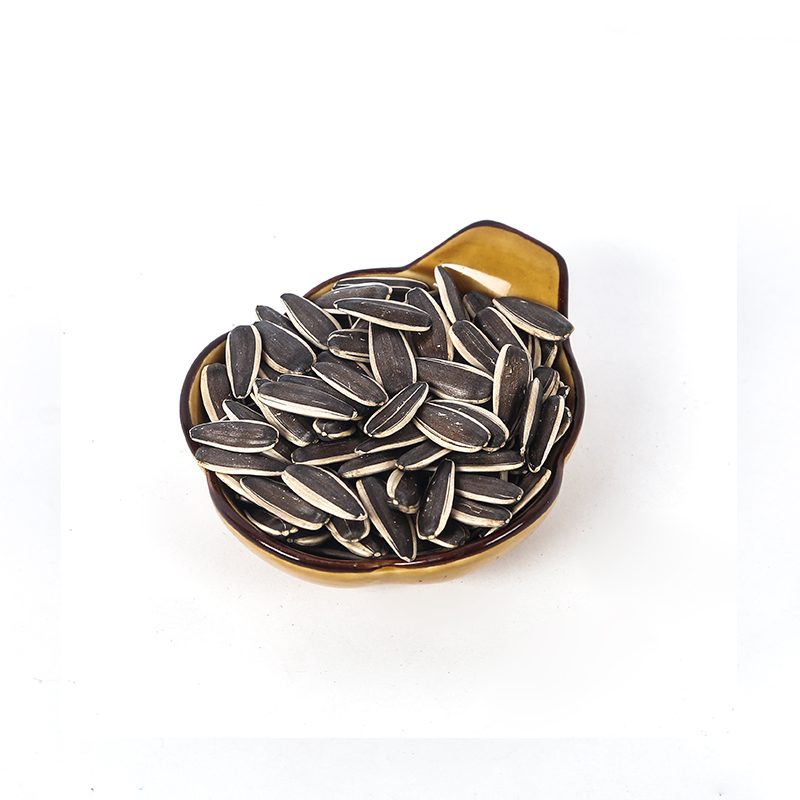
Watermelon seeds (Citrullus lanatus) are composed primarily of embryo, endosperm, and seed coat, each possessing unique physical and chemical properties. The embryo, the living part of the seed, contains proteins (approximately 25-35%), carbohydrates (around 50-60%), and lipids (10-20%), crucial for germination. The endosperm provides nutritional reserves. The seed coat, a protective layer, is composed of cellulose, hemicellulose, and lignin, contributing to its structural integrity and resistance to environmental stresses. Manufacturing, in this context, refers to the post-harvest processing. This includes cleaning (removal of pulp and debris), drying (to a moisture content of 5-7% to inhibit microbial growth and preserve viability – typically using controlled-temperature air dryers), grading (based on size and weight), and treatment (often with fungicides and insecticides compliant with importing country regulations). Crucially, drying temperature must be carefully controlled (typically below 45°C) to avoid thermal damage to the embryo. Parameter control during drying is monitored via regular moisture content analysis using laboratory ovens and seed moisture analyzers. Seed coating with polymers can improve flowability, protect against pests and diseases, and enhance germination rates; the polymer composition must be non-toxic and biodegradable. Furthermore, storage conditions – controlled temperature (below 15°C) and humidity (below 65%) – are paramount for long-term seed viability.
Performance & Engineering
The performance of watermelon seeds in export is directly linked to their germination rate, physical integrity, and genetic purity. Germination rate, a critical performance metric, is influenced by seed viability, dormancy levels, and environmental factors such as temperature and moisture. Seed viability is determined through tetrazolium tests and accelerated aging tests, providing an assessment of the seed's physiological age. Physical integrity is assessed via seed breakage and damage analysis, often using automated seed counters and image analysis software. Force analysis during handling and transportation (impact resistance, compression strength) is important for minimizing mechanical damage. Environmental resistance, particularly to temperature fluctuations and humidity, is crucial during long-distance transport. Packaging materials must provide a barrier against moisture and physical damage. Compliance requirements, including phytosanitary certificates, health certificates, and adherence to importing country regulations regarding seed treatment and genetic modification, are non-negotiable. The functional implementation centers around maintaining a cold chain during transport, utilizing moisture-proof packaging, and ensuring traceability of seed lots to facilitate rapid recall if quality issues arise. The packaging needs to withstand stack loads expected during shipping and handling.
Technical Specifications
| Parameter | Unit | Specification | Test Method |
|---|---|---|---|
| Germination Rate | % | ≥ 85 | ISTA Method |
| Moisture Content | % | 5-7 | Oven Drying Method (ISTA) |
| Purity | % | ≥ 98 | Visual Inspection & Seed Analysis |
| Seed Size (Length) | mm | 8-12 | Seed Dimension Analyzer |
| Seed Weight (1000 seeds) | g | 200-250 | Precision Balance |
| Inert Substance | % | ≤ 2 | Visual Inspection & Sedimentation |
Failure Mode & Maintenance
Failure modes in watermelon seed export primarily revolve around loss of viability, physical damage, and contamination. Common failures include: Reduced Germination due to improper drying, storage at high temperatures, or exposure to moisture. Mechanical Damage during handling and transport, leading to cracked seed coats and embryo injury. Microbial Contamination (fungi, bacteria) during processing or storage, reducing seed quality and causing damping-off diseases in seedlings. Insect Infestation, especially during storage. Genetic Shift - although rare, improper handling and storage can affect genetic stability. Failure analysis involves conducting germination tests, assessing seed coat integrity, identifying contaminants through microscopic examination and plating, and reviewing storage and transport logs. Maintenance solutions include: strict adherence to drying and storage protocols, utilizing proper packaging materials, implementing pest control measures, conducting regular quality control checks (germination tests, purity analysis), and maintaining a detailed traceability system. Preventive maintenance focuses on ensuring equipment (dryers, graders) is properly calibrated and maintained, and that personnel are adequately trained in seed handling and quality control procedures. Seed treatment with appropriate fungicides and insecticides, in accordance with regulations, can also mitigate failure risks.
Industry FAQ
Q: What is the optimal moisture content for long-term storage of watermelon seeds?
A: The optimal moisture content for long-term storage is between 5-7%. Maintaining this level inhibits microbial growth and enzyme activity that can degrade seed viability. Regular monitoring of moisture content during storage is crucial.
Q: How do temperature fluctuations during transport affect seed germination?
A: Significant temperature fluctuations can induce physiological stress in seeds, leading to reduced germination rates. Repeated warming and cooling cycles can cause condensation within the packaging, increasing moisture content and promoting fungal growth. Maintaining a consistent temperature, ideally below 25°C, during transport is vital.
Q: What are the key phytosanitary requirements for exporting watermelon seeds to the European Union?
A: The European Union has strict phytosanitary regulations. Seeds must be accompanied by a phytosanitary certificate issued by the exporting country’s plant protection organization, confirming the absence of regulated pests and diseases. Specific requirements may vary depending on the origin and destination within the EU, necessitating verification with the relevant authorities.
Q: What type of packaging material is best suited for watermelon seed export to minimize moisture ingress?
A: Multi-layer packaging incorporating a moisture barrier layer (e.g., aluminum foil, polyethylene) is recommended. High-density polyethylene (HDPE) bags or woven polypropylene bags with a polyethylene liner offer good protection. The packaging should also be sealed tightly to prevent moisture penetration.
Q: How can we assess the genetic purity of a watermelon seed lot?
A: Genetic purity is assessed through grow-out tests. A representative sample of seeds is planted, and the resulting plants are evaluated for conformity to the desired varietal characteristics. Molecular markers (DNA analysis) can also be employed for more rapid and accurate purity assessment, although this is more costly.
Conclusion
The successful export of watermelon seeds hinges on a comprehensive understanding of the seed’s material science, meticulous attention to manufacturing and processing protocols, and diligent adherence to international quality and phytosanitary standards. Maintaining seed viability during storage and transport is paramount, necessitating controlled temperature and humidity, appropriate packaging, and effective pest control measures. Proactive failure analysis and preventative maintenance are critical for mitigating risks and ensuring consistent product quality.
Future trends in watermelon seed export will likely focus on enhancing seed treatments for improved germination and disease resistance, developing more sustainable packaging materials, and implementing advanced traceability systems leveraging blockchain technology. Continued investment in research and development, coupled with stringent quality control practices, will be essential for maintaining competitiveness in the global market.
