Introduction
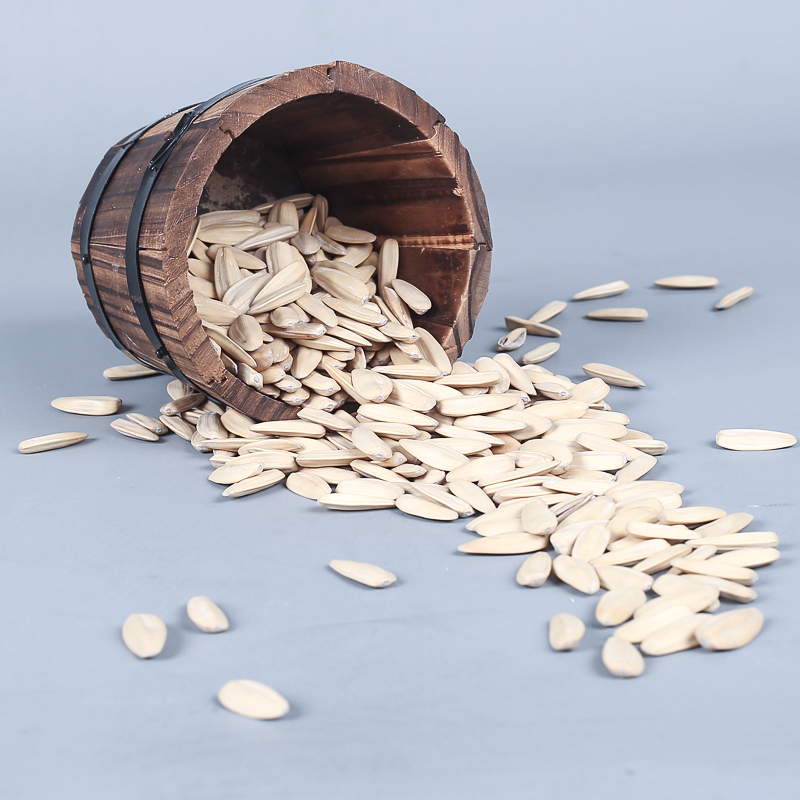
Unshelled sunflower seeds, Helianthus annuus, represent a significant commodity within the global agricultural supply chain, serving diverse markets ranging from direct human consumption to bird feed and industrial oil extraction. This guide provides a comprehensive technical overview for suppliers, addressing critical aspects of quality control, handling, storage, and relevant industry standards. The position of the supplier within the chain is crucial; they bridge the agricultural production phase with the processing and end-use industries. Core performance attributes for unshelled sunflower seeds, from a supplier perspective, are kernel content (weight percentage), moisture content, foreign matter presence, oil content potential, and genetic purity, all of which directly impact downstream processing efficiency and product quality. The industry faces significant pain points related to maintaining consistent quality across variable growing seasons, mitigating contamination risks (mycotoxins, pesticides), and adhering to increasingly stringent international regulations regarding traceability and food safety.
Material Science & Manufacturing
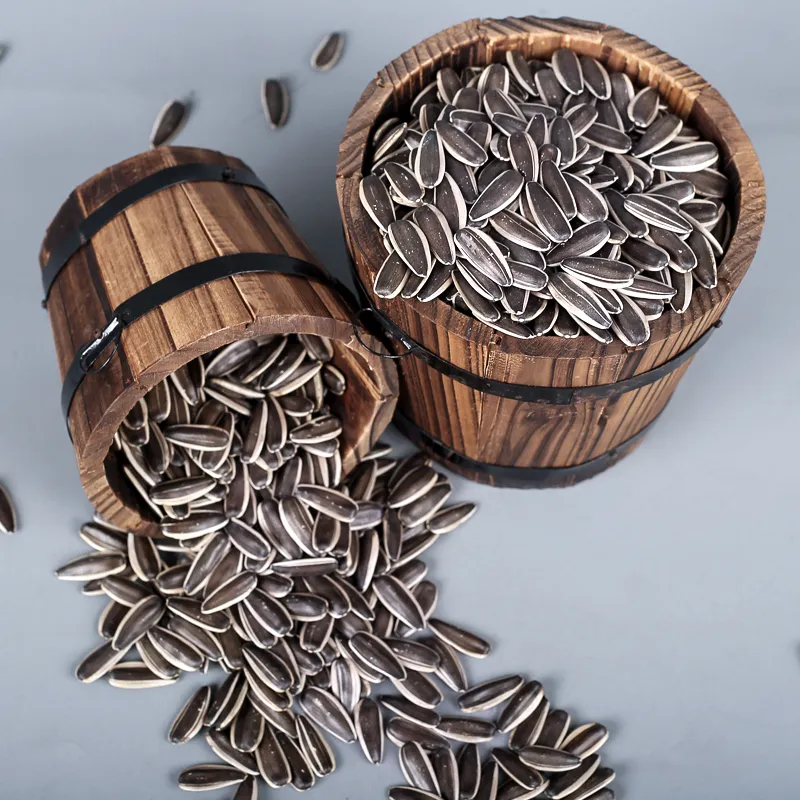
The primary component of unshelled sunflower seeds is the seed itself, comprising the kernel (cotyledon), hull (pericarp), and embryo. The kernel's composition consists of approximately 20-50% oil (primarily linoleic acid), 20-25% protein, and 15-20% carbohydrates. The hull, a fibrous outer layer, provides physical protection and contributes to the seed's bulk density. Manufacturing, in this context, refers to the post-harvest processing steps undertaken by suppliers. These include cleaning (removal of debris, stems, leaves), grading (size and weight separation), drying (reduction of moisture content – critical for preventing mold growth and preserving oil quality), and sorting (removal of damaged or discolored seeds). Drying is often achieved using forced-air systems, with temperature and airflow rates precisely controlled to avoid kernel damage (protein denaturation) and maintain oil stability. Key parameters include initial moisture content (typically 8-12% at harvest), target moisture content (typically 6-8% for storage), drying air temperature (generally below 40°C), and drying time. Hull composition is affected by the specific sunflower variety and growing conditions, impacting its resistance to cracking during processing and its contribution to overall seed density. Chemical compatibility concerns revolve around pesticide residues, mycotoxin contamination (aflatoxins, ochratoxins), and heavy metal uptake from the soil. Suppliers must implement rigorous testing protocols to ensure compliance with regulatory limits.
Performance & Engineering
Performance analysis for unshelled sunflower seeds centers on ensuring consistent quality for downstream processing. Force analysis is relevant in assessing hull strength; weaker hulls lead to increased breakage during handling and transportation, reducing yield and increasing dust formation. Environmental resistance focuses on storage stability. Seeds are susceptible to moisture absorption, leading to mold growth and aflatoxin production. Controlled atmosphere storage (reducing oxygen levels) and the use of desiccants can mitigate these risks. Compliance requirements are extensive, encompassing food safety regulations (e.g., FDA in the US, EFSA in Europe), pesticide residue limits (established by Codex Alimentarius), and traceability standards (allowing for identification of the seed’s origin and processing history). Functional implementation – specifically, the oil extraction process – is heavily influenced by seed quality. High kernel content, low moisture content, and minimal foreign matter contribute to increased oil yield and reduced processing costs. The seed’s physical characteristics also affect the efficiency of dehulling and kernel separation. Suppliers must understand these relationships to provide a consistent and reliable product.
Technical Specifications
| Parameter | Unit | Typical Range | Test Method |
|---|---|---|---|
| Kernel Content | % (weight/weight) | 60-70 | ASTM D804 |
| Moisture Content | % (weight/weight) | 6-8 | ISO 712 |
| Foreign Matter | % (weight/weight) | ≤ 2 | Visual Inspection & ASTM E179 |
| Oil Content | % (dry weight basis) | 40-55 | ISO 659-1 |
| Broken Kernels & Hull Fragments | % (weight/weight) | ≤ 5 | Visual Inspection & Sieve Analysis |
| Aflatoxin B1 | ppb (parts per billion) | ≤ 20 | HPLC – EN 16215 |
Failure Mode & Maintenance
Failure modes for unshelled sunflower seeds primarily relate to quality degradation during storage and handling. These include: Mycotoxin Contamination: Aflatoxins, produced by Aspergillus fungi, are a major concern. This is driven by high moisture content and poor storage conditions. Insect Infestation: Storage pests can cause significant losses and introduce contaminants. Physical Damage: Cracking, chipping, and breakage of kernels reduce processing yield and increase dust. Oil Rancidity: Oxidation of unsaturated fatty acids leads to off-flavors and reduced nutritional value, accelerated by heat, light, and oxygen exposure. Hygroscopic Degradation: Moisture absorption leads to clumping, reduced flowability, and increased susceptibility to microbial growth. Maintenance strategies focus on preventative measures: thorough cleaning and drying of seeds post-harvest, proper storage in well-ventilated, cool, dry facilities, pest control programs, regular monitoring of moisture content and mycotoxin levels, and implementing a robust traceability system to identify and isolate potential contamination sources. Regular inspection of storage facilities for signs of infestation or mold growth is critical. Implementing a First-In, First-Out (FIFO) inventory management system minimizes storage time and reduces the risk of degradation.
Industry FAQ
Q: What is the acceptable level of foreign matter in a shipment of unshelled sunflower seeds destined for human consumption in the EU?
A: The EU has strict regulations regarding foreign matter. Generally, the acceptable level is limited to a maximum of 2% by weight, encompassing materials such as stems, leaves, dirt, and other seeds. However, this is often dictated by individual buyer specifications, which may be even more stringent. Suppliers must provide a certificate of analysis demonstrating compliance with these limits.
Q: How does moisture content impact the storage life of unshelled sunflower seeds?
A: Moisture content is the single most critical factor affecting storage life. Seeds with a moisture content above 8% are highly susceptible to mold growth, particularly aflatoxin-producing fungi. Lowering the moisture content to 6-7% significantly inhibits microbial activity and extends storage life. Regular monitoring of moisture content during storage is essential.
Q: What testing protocols are recommended to ensure the absence of pesticide residues?
A: Suppliers should employ multi-residue pesticide analysis using Gas Chromatography-Mass Spectrometry (GC-MS) or Liquid Chromatography-Mass Spectrometry (LC-MS). Testing should cover a broad spectrum of commonly used pesticides in sunflower cultivation, adhering to Maximum Residue Limits (MRLs) established by relevant regulatory bodies (e.g., EFSA, FDA).
Q: What is the importance of genetic purity in unshelled sunflower seeds, and how is it verified?
A: Genetic purity ensures consistency in oil content, kernel size, and overall seed quality. It's particularly important when seeds are used for oil extraction or specific food applications. Verification typically involves DNA fingerprinting and marker-assisted selection to confirm the varietal identity and absence of cross-contamination.
Q: How can suppliers demonstrate traceability of their unshelled sunflower seeds?
A: A robust traceability system should track the seeds from the field of origin through all processing and handling stages. This includes documenting farm location, harvest date, drying parameters, storage conditions, and quality control data. Implementing a lot numbering system and maintaining detailed records are essential for demonstrating traceability to buyers and regulatory authorities.
Conclusion
The provision of high-quality unshelled sunflower seeds requires a meticulous approach encompassing not only agricultural practices but also stringent quality control throughout the post-harvest handling and storage process. Maintaining optimal moisture content, minimizing foreign matter, and ensuring the absence of mycotoxins and pesticide residues are paramount. Suppliers must prioritize adherence to international standards and regulatory requirements to meet the demands of a global market.
Looking forward, advancements in seed breeding for improved oil content and disease resistance, coupled with innovative storage technologies like modified atmosphere packaging, will play an increasingly important role in enhancing the quality and sustainability of the sunflower seed supply chain. Investing in robust traceability systems and proactive risk management strategies will be crucial for suppliers seeking to maintain a competitive edge in a rapidly evolving industry.
