Introduction
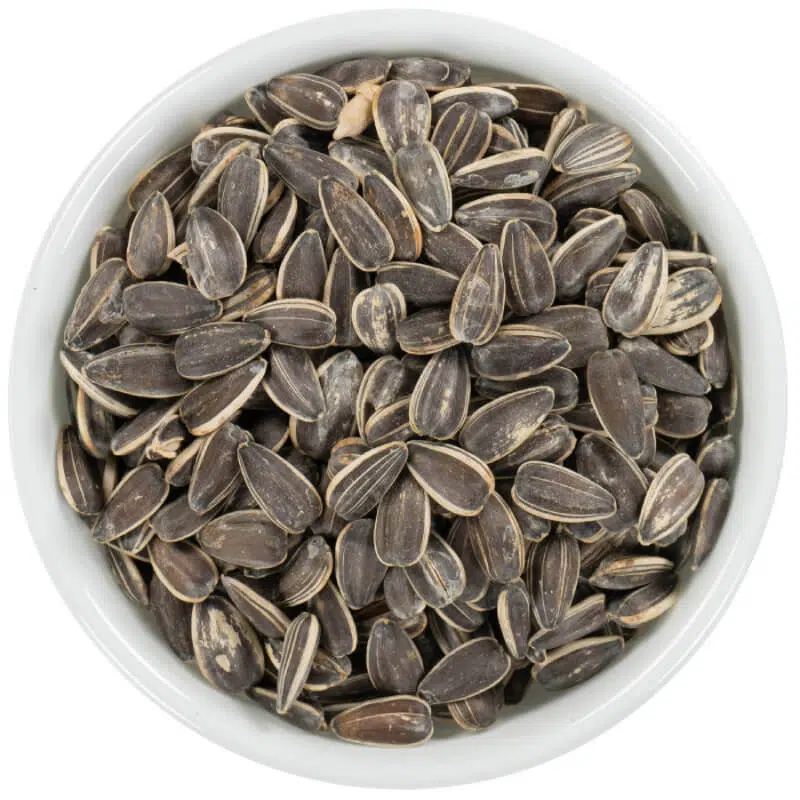
Unshelled sunflower seeds ( Helianthus annuus) represent a significant commodity within the agricultural and food processing sectors. Positioned as both a direct human consumption product and a crucial component in animal feed, its technical assessment extends beyond simple nutritional value. This guide provides an in-depth exploration of the material science, manufacturing processes, performance characteristics, potential failure modes, and industry standards governing unshelled sunflower seeds. Core performance factors include kernel integrity, oil content, moisture levels, and the presence of extraneous matter, all of which directly impact usability, shelf life, and economic value. The industry faces increasing pressure to optimize yield, maintain seed quality throughout the supply chain, and comply with evolving food safety regulations. This detailed analysis aims to provide a comprehensive technical understanding for procurement managers, quality control engineers, and food processing professionals.
Material Science & Manufacturing
Sunflower seeds are composed primarily of a seed coat (pericarp), kernel (cotyledon), and embryo. The pericarp, typically accounting for approximately 20-30% of the seed’s weight, exhibits a complex structure built from lignocellulosic material. Its physical properties—tensile strength, elasticity, and permeability—are critical in protecting the kernel during handling and storage. The kernel itself is rich in lipids (40-50% oil content, primarily linoleic acid), proteins (20-25%), carbohydrates (15-20%), and fiber. Manufacturing begins with field cultivation and harvesting. Optimal moisture content at harvest (8-12%) is paramount to minimize cracking and maintain kernel quality. Post-harvest processing involves cleaning (removing debris, chaff, and weed seeds), drying (reducing moisture to 6-8% for long-term storage), and grading based on size and density. The drying process, typically employing forced-air systems, requires precise temperature control (below 40°C) to avoid denaturation of proteins and oxidation of oils. Further processing might include de-hulling (though not for unshelled seeds), sorting (optical sorters are common for color and shape defects), and packaging. Parameter control during drying and sorting significantly impacts the final product's oil quality and appearance. The impact strength of the seed coat is a key parameter influenced by growing conditions and drying rates. A brittle seed coat leads to increased kernel damage during handling.
Performance & Engineering
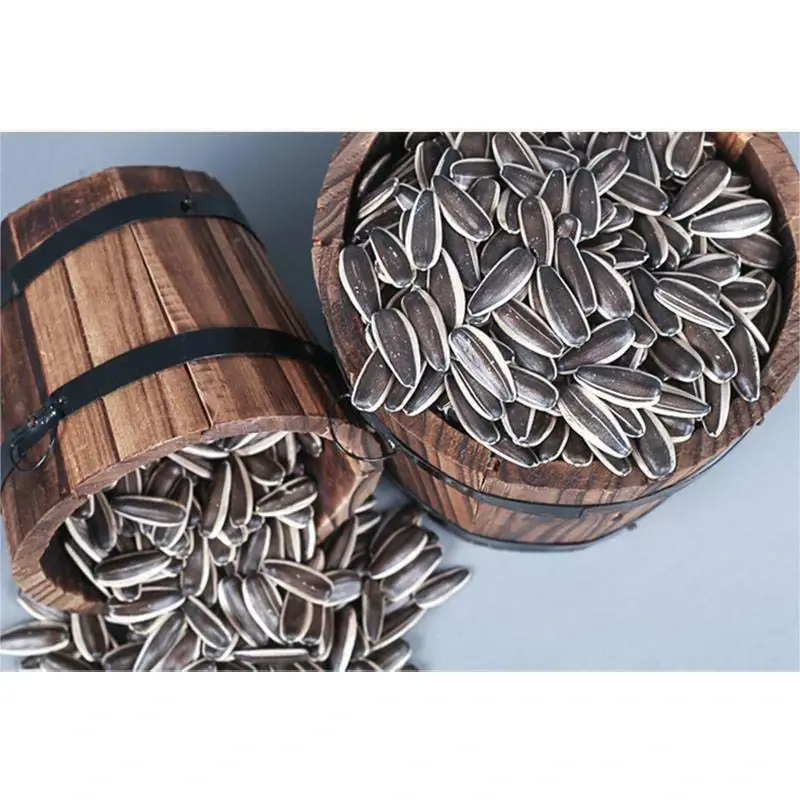
The performance of unshelled sunflower seeds hinges on maintaining kernel integrity and preserving oil quality. Force analysis demonstrates that the seed coat experiences tensile and shear stresses during handling, transportation, and processing. Understanding these stress distributions is crucial for optimizing packaging design and minimizing damage. Environmental resistance is a significant factor. Exposure to high humidity can lead to moisture absorption, promoting fungal growth (e.g., Aspergillus flavus, producing aflatoxins) and lipid peroxidation, resulting in rancidity. Temperature fluctuations can induce condensation, exacerbating these issues. Packaging materials must provide a barrier against moisture and oxygen. Compliance requirements, such as those established by the Food and Drug Administration (FDA) in the United States and the European Food Safety Authority (EFSA) in Europe, mandate strict limits for aflatoxin levels and other contaminants. Furthermore, the seeds must meet standards for foreign material content, kernel damage, and oil acidity. Functional implementation, in terms of agricultural application, requires understanding the seed’s germination rate and viability, which are directly related to kernel health and storage conditions. The structural integrity of the seed coat directly impacts germination success and seedling vigor.
Technical Specifications
| Parameter | Unit | Typical Value | Acceptable Range |
|---|---|---|---|
| Oil Content (Dry Basis) | % | 44 | 40-50 |
| Moisture Content | % | 7 | 6-8 |
| Kernel Damage (Broken Kernels) | % | 2 | <5 |
| Foreign Material | % | 0.5 | <1 |
| Aflatoxin B1 | ppb | <5 | <20 (US FDA Limit) |
| Acid Value (Free Fatty Acids) | mg KOH/g oil | 0.8 | <1.2 |
Failure Mode & Maintenance
Failure modes for unshelled sunflower seeds typically manifest as kernel damage, oil rancidity, and fungal contamination. Fatigue cracking of the seed coat can occur during handling and transportation, leading to broken kernels and reduced value. Delamination – separation of the seed coat layers – can occur due to rapid drying or impact. Degradation of lipids, resulting in rancidity, is driven by oxidation reactions catalyzed by enzymes and exacerbated by exposure to oxygen, light, and heat. This is indicated by an increase in the acid value. Fungal contamination, specifically by Aspergillus species, is a critical failure mode. Aflatoxin production is favored by high moisture content and warm temperatures. Maintenance, or rather preventative measures, revolve around proper storage conditions. Seeds should be stored in a cool, dry, and well-ventilated environment. Maintaining low humidity (below 65% RH) is critical. Regular monitoring of moisture content and aflatoxin levels is recommended, particularly for long-term storage. Packaging should be impermeable to moisture and oxygen. Implementing a robust pest control program is essential to prevent insect damage, which can create entry points for fungi. Periodic inspection for visible mold growth or off-odors is crucial.
Industry FAQ
Q: What is the optimal moisture content for long-term storage of unshelled sunflower seeds and why is it critical?
A: The optimal moisture content for long-term storage is between 6-8%. Below this range, the seed becomes brittle and susceptible to cracking during handling. Above this range, enzymatic activity increases, accelerating lipid peroxidation and increasing the risk of fungal growth, particularly aflatoxin-producing species. Maintaining this range inhibits microbial proliferation and preserves oil quality.
Q: How does the seed coat composition affect the seed’s resistance to cracking during processing?
A: The seed coat's lignocellulosic composition dictates its tensile strength and elasticity. A higher lignin content generally correlates with a stronger seed coat, offering greater resistance to cracking. However, the degree of cross-linking between lignin, cellulose, and hemicellulose also plays a crucial role. Rapid drying can lead to uneven shrinkage and stress concentrations within the seed coat, reducing its resistance to mechanical forces.
Q: What analytical methods are used to assess the oil quality of unshelled sunflower seeds?
A: Several analytical methods are employed, including gas chromatography (GC) for fatty acid profiling, peroxide value determination (to assess oxidation levels), acid value determination (to quantify free fatty acids), and iodine value determination (to measure unsaturation). These tests provide a comprehensive assessment of oil quality and stability.
Q: What are the key considerations when selecting packaging materials for unshelled sunflower seeds?
A: Packaging materials must provide a barrier against moisture, oxygen, and light. Materials with low oxygen transmission rates (OTR) and water vapor transmission rates (WVTR) are preferred. Multi-layer films, often incorporating polyethylene, aluminum foil, or metallized polyester, are commonly used. The material must also be food-grade and resistant to mechanical damage.
Q: How can the risk of aflatoxin contamination be minimized throughout the supply chain?
A: Minimizing aflatoxin contamination requires a multi-faceted approach. This includes selecting disease-resistant sunflower varieties, implementing proper agricultural practices (e.g., avoiding drought stress), ensuring rapid and thorough drying after harvest, maintaining strict storage conditions (low moisture, cool temperature), and regular monitoring of aflatoxin levels throughout the supply chain. Implementing a Hazard Analysis and Critical Control Points (HACCP) plan is highly recommended.
Conclusion
Unshelled sunflower seeds represent a complex agricultural product where maintaining quality requires a thorough understanding of material science, manufacturing processes, and environmental influences. The key to successful handling and storage lies in controlling moisture content, protecting against lipid oxidation and fungal contamination, and ensuring the structural integrity of the seed coat. Precise parameter control during drying, grading, and packaging are fundamental to preserving the commercial value and safety of the product.
Future advancements in sunflower seed technology will likely focus on developing varieties with enhanced seed coat strength, improved oil profiles, and increased resistance to fungal pathogens. Innovations in packaging materials, such as active packaging with oxygen scavengers or moisture absorbers, will further extend shelf life and minimize degradation. Continued adherence to stringent quality control measures and international standards will be critical for ensuring the consistent delivery of high-quality unshelled sunflower seeds to the global market.
