Introduction
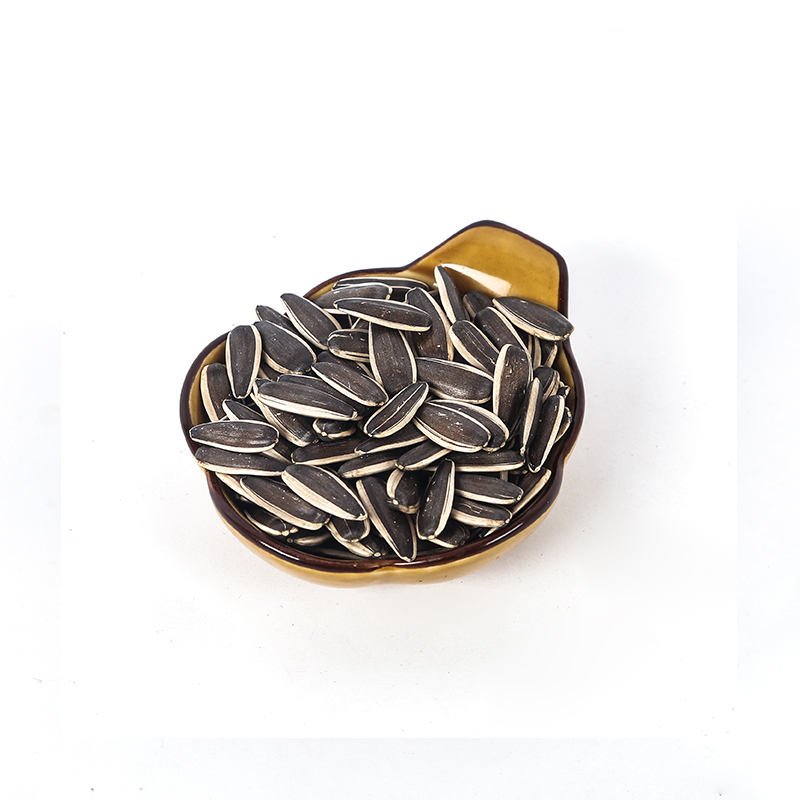
Unshelled sunflower seeds, Helianthus annuus, represent a significant agricultural commodity with expanding industrial applications beyond direct consumption. The manufacturing process, while seemingly straightforward, involves critical stages impacting seed quality, viability, and ultimately, product value. This guide provides an in-depth technical overview for manufacturers of unshelled sunflower seeds, encompassing material science, production methodologies, performance parameters, failure analysis, and relevant industry standards. Core industry pain points revolve around maintaining consistent seed quality (oil content, germination rate, foreign material), minimizing damage during handling and processing, and adhering to increasingly stringent food safety and agricultural regulations. This analysis will focus on the critical control points impacting these areas, providing a resource for optimizing production efficiency and ensuring product compliance.
Material Science & Manufacturing
The primary raw material, the sunflower seed itself, is a complex biological structure. The seed coat (pericarp) comprises cellulose, hemicellulose, and lignin, providing structural integrity and protection. Beneath the pericarp lies the kernel, rich in oil (typically 40-50% by weight, varying by cultivar), protein (18-25%), and fiber. The oil is primarily composed of linoleic acid (around 60%), oleic acid (around 30%), and palmitic acid (around 5-10%). Manufacturing begins with harvesting, typically employing combine harvesters. Critical parameters at this stage include moisture content (optimal range: 8-12%) to prevent mold growth and seed damage. Post-harvest processing involves cleaning (removal of chaff, stems, leaves), drying (further moisture reduction to ~7%), sizing (separation based on seed diameter), and grading (categorization based on quality parameters – oil content, damage, foreign matter). Drying utilizes forced-air systems, with temperature control paramount to avoid thermal degradation of oils and proteins. Sizing relies on screen separators, with careful calibration needed to avoid kernel breakage. Foreign material removal incorporates aspiration, gravity separation, and optical sorting technologies. Key parameter control includes airflow velocity during drying, screen aperture size during sizing, and sorting algorithm sensitivity during optical sorting. Seed treatment with fungicides is common for storage, necessitating careful regulation of application rates and residue levels.
Performance & Engineering
Performance evaluation of unshelled sunflower seeds focuses on several key engineering properties. Impact resistance is crucial during handling and transport; lower impact resistance correlates with kernel damage and reduced germination rates. This is assessed using drop tests and impact pendulum tests. Coefficient of friction is vital for conveying systems; higher friction can lead to seed breakage and dust generation. Static and dynamic friction coefficients are measured using incline plane tests. Bulk density impacts storage capacity and conveying efficiency; variations in bulk density necessitate adjustments to handling equipment. Flowability is assessed via angle of repose measurements; poor flowability leads to bridging and inconsistent feeding rates. Environmental resistance, particularly moisture absorption, is critical for long-term storage. The pericarp’s permeability to water vapor dictates the rate of moisture uptake, impacting seed viability. Hydrothermal treatment, involving controlled heating and cooling cycles, is employed to enhance pericarp impermeability. Compliance requirements include adherence to food safety standards (e.g., HACCP) and agricultural regulations (e.g., seed certification programs). Germination rate, assessed under controlled laboratory conditions, is a primary indicator of seed quality and is heavily regulated by agricultural authorities.
Technical Specifications
| Parameter | Unit | Typical Value | Acceptable Range |
|---|---|---|---|
| Oil Content | % (dry weight basis) | 48% | 45-55% |
| Moisture Content | % | 7% | 6-8% |
| Germination Rate | % | 85% | 80-95% |
| Kernel Damage (cracked/broken) | % | 2% | <5% |
| Foreign Material | % | 0.5% | <1% |
| 1000-Seed Weight | g | 5-7 | 4-8 |
Failure Mode & Maintenance
Failure modes in unshelled sunflower seeds manifest as reduced germination rates, oil degradation, and physical damage. Kernel cracking during processing is a common failure, often stemming from excessive impact forces or improper equipment settings. Mold growth, caused by elevated moisture content, leads to mycotoxin contamination and seed spoilage. Lipid oxidation, accelerated by high temperatures and oxygen exposure, results in rancidity and decreased oil quality. Delamination of the pericarp can occur due to rapid drying or mechanical stress. Maintenance strategies involve regular inspection and calibration of processing equipment (harvesters, dryers, sorters). Temperature and humidity control in storage facilities are critical to prevent mold growth and lipid oxidation. Preventative maintenance on conveying systems minimizes mechanical damage. Periodic seed quality testing (oil content, germination rate, mycotoxin levels) provides early detection of potential failures. Implementation of a robust cleaning protocol prevents cross-contamination and ensures sanitary conditions. Regular pest control is essential to avoid insect damage and seed loss. For long-term storage, controlled atmosphere storage (reducing oxygen levels) can significantly extend shelf life.
Industry FAQ
Q: What is the optimal moisture content for long-term storage of unshelled sunflower seeds, and why is it crucial to maintain this level?
A: The optimal moisture content for long-term storage is between 6-8%. Above this level, enzymatic activity increases, leading to lipid oxidation and the potential for mold growth, resulting in mycotoxin contamination. Below this level, seeds can become brittle and susceptible to mechanical damage during handling. Maintaining this range ensures viability and prevents quality degradation.
Q: How does the variety (cultivar) of sunflower seed influence its oil content and stability?
A: Different sunflower cultivars exhibit significant variations in oil content and fatty acid composition. High-oleic cultivars, for example, contain a higher proportion of oleic acid, which is more resistant to oxidation compared to linoleic acid. This translates to improved oil stability and a longer shelf life. Cultivar selection should align with desired end-use applications and storage conditions.
Q: What are the key considerations when selecting a drying system for sunflower seeds to minimize damage and maintain oil quality?
A: Temperature control is paramount. Excessive temperatures (>60°C) can denature proteins and degrade oils. Airflow velocity must be optimized to ensure uniform drying without causing seed abrasion. The drying system should incorporate sensors and controls to monitor temperature and moisture content continuously. Consideration should also be given to the drying medium (e.g., ambient air, heated air) and its potential impact on seed quality.
Q: What are the common methods for detecting mycotoxin contamination in sunflower seeds, and what are the regulatory limits?
A: The most common method is ELISA (Enzyme-Linked Immunosorbent Assay) for rapid screening. HPLC (High-Performance Liquid Chromatography) and GC-MS (Gas Chromatography-Mass Spectrometry) provide more accurate quantification. Regulatory limits vary by country, but typically range from a few parts per billion (ppb) for aflatoxins to higher levels for other mycotoxins. Compliance with local regulations is essential.
Q: How does seed size (diameter) impact processing efficiency and final product quality?
A: Seed size affects the efficiency of sizing and sorting operations. Uniform seed size improves conveying performance and reduces the risk of damage during handling. Larger seeds generally contain more oil, but also may be more susceptible to cracking. Consistent seed size contributes to a more homogenous final product.
Conclusion
The manufacturing of unshelled sunflower seeds is a complex process requiring careful attention to material science, engineering principles, and regulatory compliance. Maintaining optimal moisture content, selecting appropriate cultivars, and implementing robust quality control measures are critical for maximizing seed viability, oil quality, and storage life. Understanding the potential failure modes – kernel damage, mold growth, lipid oxidation – and implementing preventative maintenance strategies are essential for minimizing losses and ensuring consistent product quality.
Future advancements in sunflower seed processing will likely focus on precision agriculture techniques, improved drying technologies, and enhanced mycotoxin detection methods. Adoption of real-time monitoring systems and data analytics will enable manufacturers to optimize process parameters and proactively address potential issues. Furthermore, research into novel seed coatings and storage techniques may offer opportunities to extend shelf life and reduce post-harvest losses.
