Introduction
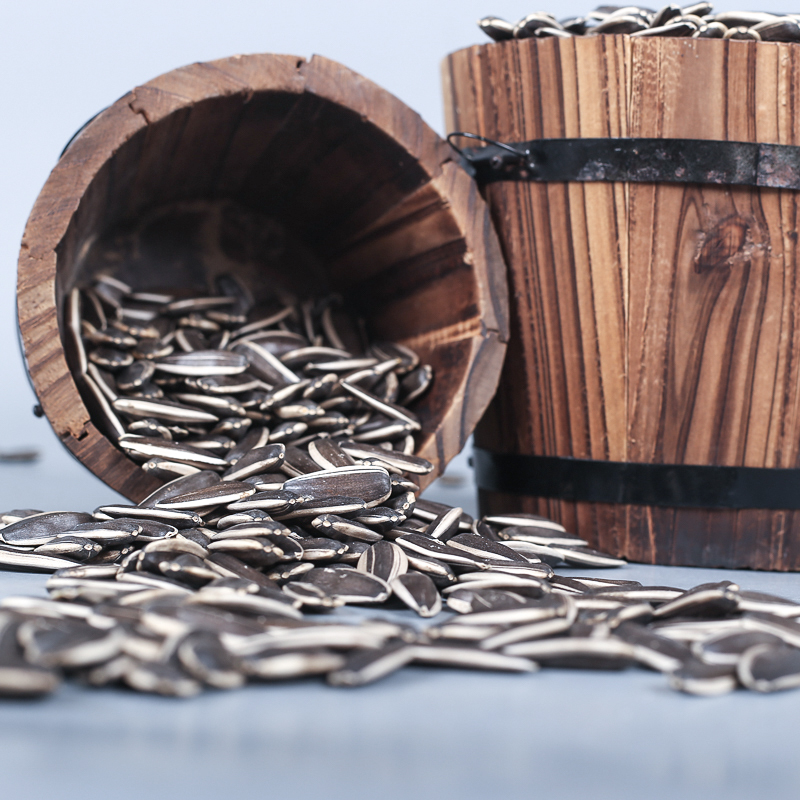
Unshelled sunflower seed processing facilities represent a critical node in the agricultural supply chain, bridging the gap between raw agricultural production and the consumer market for edible seeds, oil extraction, and confectionary products. This guide details the technical aspects of operating such a facility, encompassing seed intake, cleaning, dehulling (though the facility focuses on unshelled seeds, understanding the processes leading to this state is crucial), grading, processing, quality control, and storage. The industry faces key challenges relating to maintaining seed viability, minimizing foreign material contamination, ensuring consistent oil content, and adhering to stringent food safety regulations. Core performance metrics center around throughput capacity (tons/hour), seed breakage rate (%), foreign material content (ppm), and adherence to aflatoxin limits (ppb). Understanding these parameters is vital for optimizing operational efficiency and product quality.
Material Science & Manufacturing
Sunflower seeds ( Helianthus annuus) are comprised primarily of oil (40-50% by weight), protein (18-25%), carbohydrates (15-20%), and fiber (10-15%). The seed coat, or hull, is a key protective layer composed of cellulose, hemicellulose, and lignin, contributing significantly to seed structural integrity and moisture barrier properties. Raw material variation in oil content, moisture content, and seed size directly impacts processing efficiency. Manufacturing processes commence with initial cleaning stages using screens, aspirators, and destoners to remove debris, stalks, and inert materials. Critical parameters include screen mesh size, air velocity, and destoner adjustment to optimize separation without damaging the seeds. Subsequent drying operations, typically employing fluid-bed dryers, are vital to reduce moisture content to approximately 8-10% to inhibit microbial growth and improve storage stability. Dryer temperature and airflow must be carefully controlled to avoid heat damage, which can reduce oil quality and germination rates. Color sorting technologies employing optical sensors are increasingly utilized to remove discolored or damaged seeds, ensuring product uniformity. Finally, conveying systems utilizing food-grade belts and augers must be designed to minimize seed breakage and attrition. Material selection for these systems (e.g., stainless steel, polyethylene) must ensure compatibility with food safety standards and prevent corrosion. The inherent physical properties of sunflower seeds – their hardness, density, and coefficient of friction – are central to the design and optimization of each processing stage.
Performance & Engineering
The performance of an unshelled sunflower seed factory is heavily influenced by mechanical engineering principles. Force analysis during seed handling is critical to minimize breakage. Impact forces during conveying, dropping, and screening must be minimized through optimized system design. Environmental resistance considerations include humidity control to prevent clumping and mold growth during storage, and temperature regulation to maintain seed viability. Compliance requirements are extensive, adhering to standards set by the FDA (Food and Drug Administration), USDA (United States Department of Agriculture), and potentially international bodies depending on export markets. Specific requirements encompass HACCP (Hazard Analysis and Critical Control Points) plans, GMP (Good Manufacturing Practices), and adherence to maximum residue limits for pesticides and heavy metals. Dust explosion prevention is a significant engineering concern, requiring the implementation of dust collection systems, grounding procedures, and explosion venting. Furthermore, facility layout should be optimized for efficient material flow, minimizing bottlenecks and maximizing throughput. The design of storage silos must account for seed bulk density, angle of repose, and potential for compaction. Regular monitoring of seed temperature and moisture content within storage is essential to prevent spoilage and maintain product quality.
Technical Specifications
| Parameter | Unit | Typical Range | Acceptable Tolerance |
|---|---|---|---|
| Seed Moisture Content | % | 8-10 | ±1.0% |
| Oil Content (Dry Basis) | % | 40-55 | ±2.0% |
| Foreign Material Content | ppm | <50 | <100 |
| Seed Breakage Rate | % | <3 | <5 |
| Aflatoxin Level | ppb | <20 | <30 |
| Throughput Capacity | tons/hour | 5-20 | ±10% |
Failure Mode & Maintenance
Failure modes in an unshelled sunflower seed factory can be categorized into mechanical, biological, and chemical. Mechanical failures include bearing failure in conveyor systems (addressed via regular lubrication and vibration analysis), screen rupture due to material fatigue (requiring periodic inspection and replacement), and dust collection system clogging (necessitating filter cleaning and maintenance). Biological failures are primarily related to microbial contamination (mold growth, aflatoxin production) resulting from inadequate moisture control or sanitation practices. Regular cleaning, disinfection, and temperature/humidity monitoring are crucial preventative measures. Chemical failures can occur due to corrosion of equipment exposed to seed oils or cleaning agents. Material selection (stainless steel) and protective coatings are essential. Seed degradation, manifested as rancidity due to lipid oxidation, is a common failure mode during storage. Proper storage conditions (low temperature, low oxygen environment) and the addition of antioxidants can mitigate this. Regular inspection of storage silos for leaks and proper ventilation is also vital. Predictive maintenance programs utilizing condition monitoring (vibration analysis, oil analysis) can proactively identify potential failures before they occur, minimizing downtime and maximizing operational efficiency. A robust preventative maintenance schedule is paramount.
Industry FAQ
Q: What are the primary factors influencing the shelf life of unshelled sunflower seeds?
A: Shelf life is predominantly affected by moisture content, oil quality, temperature, and oxygen exposure. High moisture levels promote mold growth and aflatoxin production. Lipid oxidation leads to rancidity, degrading oil quality. Elevated temperatures accelerate these processes. Minimizing oxygen exposure through proper packaging (e.g., vacuum sealing or nitrogen flushing) and storage conditions is also critical.
Q: How do variations in sunflower seed variety impact processing parameters?
A: Different varieties exhibit variations in seed size, oil content, hull thickness, and susceptibility to breakage. Varieties with smaller seeds may require finer screen sizes during cleaning. Higher oil content varieties might necessitate adjusted drying temperatures to avoid heat damage. Hull thickness affects the efficiency of any subsequent hulling operations (even for facilities handling unshelled seeds, understanding this is relevant to input quality assessments).
Q: What is the role of HACCP in a sunflower seed processing facility?
A: HACCP is a systematic preventative approach to food safety, identifying potential hazards (biological, chemical, physical) at each stage of the process. It establishes critical control points (CCPs) where hazards can be controlled, sets critical limits, and implements monitoring procedures. For sunflower seeds, key CCPs include cleaning, drying, storage, and pest control.
Q: How can dust explosion risks be effectively mitigated in a sunflower seed plant?
A: Mitigation strategies include implementing a robust dust collection system with appropriately sized filters, grounding all equipment to prevent static electricity buildup, using explosion venting to relieve pressure in the event of an ignition, minimizing dust accumulation through regular cleaning, and prohibiting ignition sources in processing areas. Staff training on dust explosion hazards is also essential.
Q: What are the typical tolerances for foreign material content accepted by major food processors using sunflower seeds as an ingredient?
A: Typical tolerances vary based on the end-use application. For direct consumption (snack seeds), tolerances are typically very low, often less than 50 ppm. For oil extraction, tolerances may be slightly higher, but still generally below 100 ppm. Processors will specify their acceptance criteria in their purchase agreements, emphasizing the importance of consistent quality control.
Conclusion
The successful operation of an unshelled sunflower seed factory demands a comprehensive understanding of material science, mechanical engineering, food safety regulations, and preventative maintenance practices. Optimizing processing parameters, such as moisture content, temperature, and airflow, is crucial for maximizing throughput, minimizing seed damage, and ensuring product quality. Continuous monitoring of key performance indicators – oil content, foreign material content, and aflatoxin levels – is essential for maintaining compliance and meeting customer expectations.
Future trends in the industry will likely focus on enhancing automation, implementing real-time quality control systems utilizing advanced sensors and machine learning, and adopting sustainable processing practices to reduce environmental impact. Investment in research and development to improve seed varieties with enhanced oil content and disease resistance will also play a vital role in optimizing the efficiency and profitability of unshelled sunflower seed processing facilities.
