Introduction
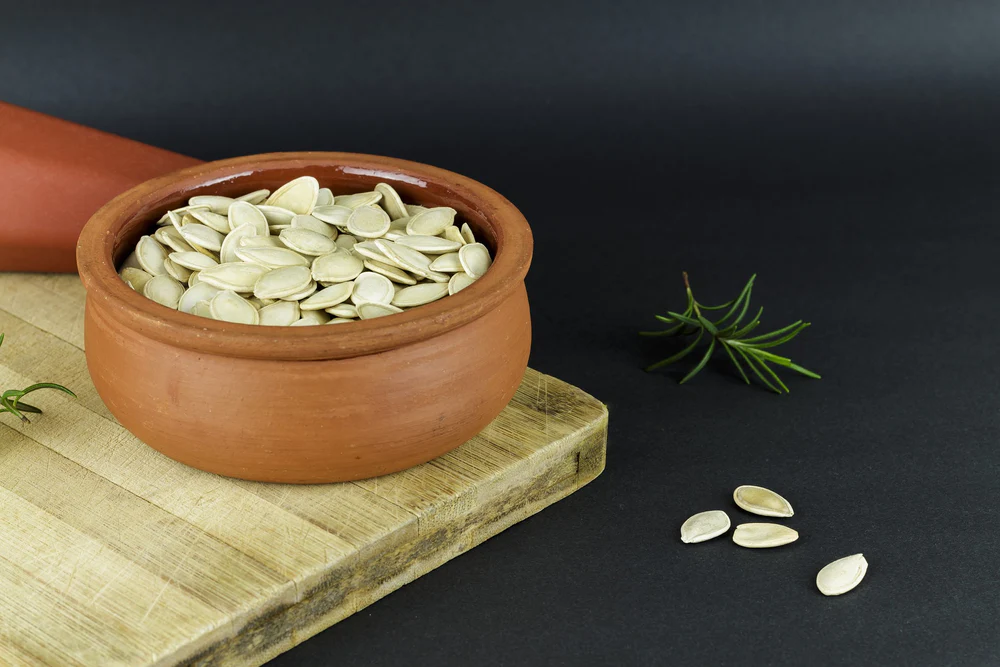
Unshelled sunflower seeds represent a significant commodity in the global agricultural market, serving as a vital input for human consumption, animal feed, and oil extraction. This technical guide provides an in-depth examination of unshelled sunflower seeds from the perspective of exporters, focusing on critical aspects of material science, manufacturing processes, quality control, potential failure modes, and relevant industry standards. The global sunflower seed market is driven by increasing demand for vegetable oils, particularly in developing economies, and the growing popularity of sunflower seeds as a healthy snack. Exporters face challenges including maintaining seed quality during storage and transport, adhering to stringent international food safety regulations, and mitigating the risk of aflatoxin contamination. Understanding the inherent characteristics of sunflower seeds and implementing best practices throughout the supply chain are crucial for success in this competitive industry. This document will dissect the technical complexities inherent in the export of this valuable agricultural product.
Material Science & Manufacturing
Sunflower seeds ( Helianthus annuus ) are comprised of approximately 35-45% oil, 20-30% protein, 15-25% carbohydrate, and 5-10% moisture content, varying according to cultivar and growing conditions. The seed coat, or hull, constitutes roughly 25-35% of the total seed weight and provides a protective barrier. The oil fraction is primarily composed of linoleic acid (around 60-70%) and oleic acid (20-30%), influencing oil stability and nutritional value. Raw material quality begins with seed genetics, soil composition, and climatic factors. Manufacturing begins with harvesting, typically employing combine harvesters equipped with threshing and cleaning mechanisms. Post-harvest processing includes drying to reduce moisture content to approximately 8-10% to inhibit mold growth. Critical parameters during drying include temperature (typically below 45°C to prevent protein denaturation) and airflow rate. Cleaning processes remove foreign material like stalks, leaves, and weed seeds using a combination of sieves, aspiration, and gravity separation. Grading is based on seed size, density, and the presence of damaged seeds. Maintaining seed integrity during handling is crucial to minimize mechanical damage and prevent the formation of fine particles that can contribute to dust explosions during transport and storage. Optical sorting technology is increasingly used to remove discolored or damaged seeds, improving overall quality and market value.
Performance & Engineering
The performance of unshelled sunflower seeds as an export commodity is critically tied to their physical integrity and chemical composition. Force analysis during handling and transportation reveals that seeds are susceptible to cracking under compressive loads, particularly when subjected to uneven pressure. This highlights the importance of proper packaging and palletization to distribute loads evenly. Environmental resistance is a major concern; high humidity promotes mold growth and aflatoxin production, while fluctuating temperatures can induce condensation and seed deterioration. Controlled atmosphere storage (reducing oxygen levels and maintaining low temperatures) is often employed to extend shelf life. Compliance requirements vary by destination country but generally include adherence to maximum allowable levels of contaminants (e.g., heavy metals, pesticides), aflatoxins, and moisture content. The FAO/WHO Codex Alimentarius standards provide a framework for food safety and quality. Functional implementation – ensuring seeds meet specifications for oil content, protein content, and kernel size – requires robust quality control procedures throughout the entire processing chain. Packing density and containerization must be optimized to minimize void spaces and prevent seed shifting during transport. Furthermore, understanding the tribological properties of sunflower seeds (friction coefficient) is critical in designing efficient handling and conveying systems.
Technical Specifications
| Parameter | Unit | Specification (Standard Grade) | Specification (Premium Grade) |
|---|---|---|---|
| Moisture Content | % | ≤ 10.0 | ≤ 8.5 |
| Oil Content (Dry Basis) | % | ≥ 40.0 | ≥ 45.0 |
| Kernel Size (Diameter) | mm | 12-16 | 14-18 |
| Foreign Matter | % | ≤ 1.0 | ≤ 0.5 |
| Damaged Kernels | % | ≤ 2.0 | ≤ 1.0 |
| Aflatoxin B1 | ppb | ≤ 20 | ≤ 5 |
Failure Mode & Maintenance
Failure modes in unshelled sunflower seeds during export can be categorized as physical, chemical, and biological. Physical failures include seed cracking during handling and transportation, leading to kernel loss and reduced market value. Chemical degradation occurs through lipid oxidation, resulting in rancidity and off-flavors, accelerated by exposure to oxygen, light, and elevated temperatures. Biological failures are primarily due to mold growth, particularly Aspergillus species, which produce aflatoxins, potent carcinogens. Fatigue cracking of the seed coat can occur due to repeated stress during processing and handling. Delamination – separation of the hull from the kernel – reduces processing efficiency and can indicate poor seed quality. Oxidation is prevented through the use of antioxidants and inert gas packaging. Maintenance involves strict adherence to storage guidelines: temperature control (below 25°C), humidity control (below 65%), and regular inspection for signs of pest infestation or mold growth. Implementing a robust pest management program is essential. Proper ventilation is crucial to prevent moisture buildup. Furthermore, regular testing for aflatoxins and other contaminants is mandatory to ensure compliance with international regulations. Preventative maintenance of harvesting and processing equipment minimizes seed damage.
Industry FAQ
Q: What is the primary concern regarding aflatoxin contamination, and what measures can exporters take to mitigate the risk?
A: Aflatoxin contamination is the most significant concern, as aflatoxins are highly toxic and carcinogenic, leading to rejection of shipments and potential health risks. Exporters should implement a comprehensive aflatoxin management plan, including pre-harvest monitoring of fields for Aspergillus infection, proper drying of seeds to reduce moisture content, thorough cleaning to remove contaminated seeds, and regular testing of finished products. Using certified seed varieties with improved resistance to Aspergillus can also reduce risk.
Q: How does seed moisture content impact long-term storage stability?
A: Seed moisture content is critical for long-term storage. High moisture content (above 10%) promotes mold growth and lipid oxidation, leading to seed deterioration and aflatoxin production. Maintaining a moisture content of 8-10% through proper drying and storage conditions is essential for preserving seed quality.
Q: What are the key differences between standard and premium grade sunflower seeds, and how are these grades determined?
A: Premium grade seeds typically have higher oil content, larger kernel size, lower levels of foreign matter and damaged kernels, and lower aflatoxin levels compared to standard grade seeds. Grading is based on a combination of physical inspection, laboratory analysis (oil content, moisture content, aflatoxin levels), and adherence to specific size and quality parameters defined by industry standards.
Q: What packaging materials are recommended for maintaining seed quality during long-distance transport?
A: Packaging materials should provide a barrier against moisture, oxygen, and light. Recommended materials include polypropylene (PP) woven bags with polyethylene (PE) liners, multi-layer paper bags with PE coating, and flexible intermediate bulk containers (FIBCs) with PE liners. Vacuum packaging or modified atmosphere packaging (MAP) can further enhance preservation.
Q: How important is adherence to international standards like the Codex Alimentarius, and what are the consequences of non-compliance?
A: Adherence to international standards like the Codex Alimentarius is paramount for ensuring food safety and market access. Non-compliance can result in shipment rejection, fines, import bans, and damage to reputation. Exporters must implement robust quality control systems and obtain necessary certifications to demonstrate compliance with relevant regulations.
Conclusion
The successful export of unshelled sunflower seeds demands a comprehensive understanding of the intricate interplay between material science, manufacturing processes, and stringent quality control measures. Maintaining optimal seed moisture content, mitigating aflatoxin risk, and ensuring adherence to international standards are paramount. Exporters must prioritize investment in advanced drying, cleaning, and storage technologies, coupled with rigorous testing protocols, to consistently deliver high-quality products that meet the demands of global markets.
Future trends in the industry will likely focus on the development of improved sunflower varieties with enhanced oil content and resistance to pests and diseases, as well as the implementation of more sustainable and environmentally friendly processing techniques. Continuous monitoring of evolving regulatory requirements and adapting to changing consumer preferences will be crucial for long-term competitiveness in the dynamic sunflower seed export market.
