Introduction
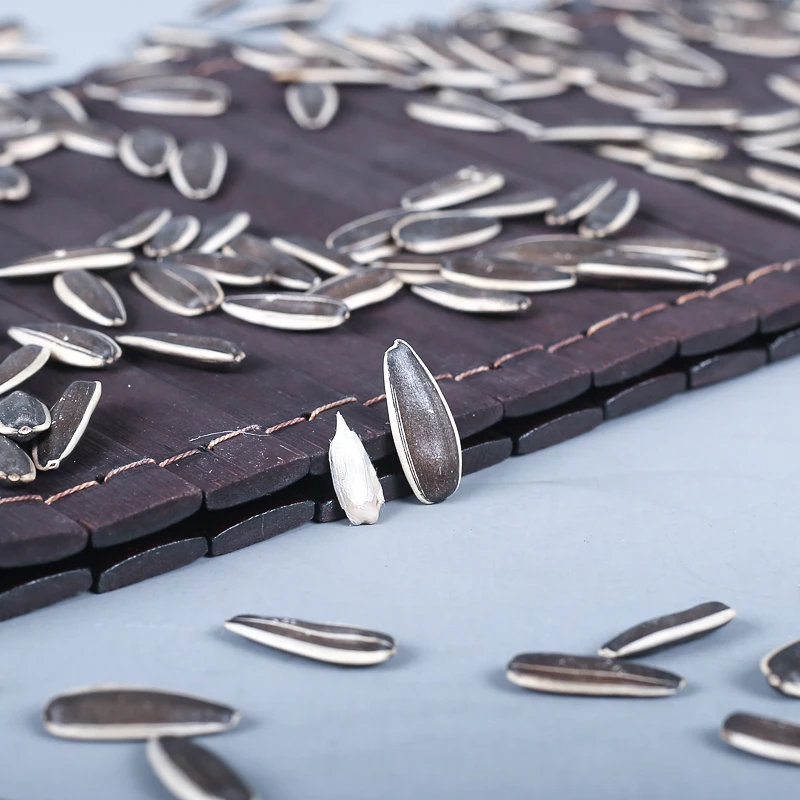
Unshelled sunflower seeds, Helianthus annuus, represent a significant commodity within the global agricultural market, primarily serving as a vital protein and oil source for both human consumption and industrial applications. As an exporter, maintaining stringent quality control throughout the supply chain – from harvest and drying to storage and transport – is paramount. This technical guide provides an in-depth analysis of the material science, manufacturing considerations, performance characteristics, potential failure modes, and relevant international standards pertaining to unshelled sunflower seeds, specifically from the perspective of a B2B exporter catering to food processors, oil extraction facilities, and livestock feed manufacturers. The inherent challenges within the industry stem from variability in seed quality due to geographical origin, climatic conditions, and post-harvest handling. This document addresses these concerns and establishes a benchmark for quality assurance and technical compliance.
Material Science & Manufacturing
Sunflower seeds are biologically complex, consisting of a hull (pericarp) approximately 1mm thick, a kernel containing approximately 40-55% oil, 20-25% protein, and various carbohydrates, vitamins, and minerals. The hull's composition is primarily cellulose, hemicellulose, and lignin, impacting its moisture barrier properties and mechanical strength. Kernel oil composition varies depending on the seed variety (high oleic, linoleic, or mid-oleic), directly affecting its stability and suitability for different applications. Manufacturing begins with harvesting, ideally at 18-22% moisture content. Mechanical harvesting causes physical damage, necessitating careful cleaning to remove debris. Drying is crucial to reduce moisture content to 8-10% for safe storage. This is typically accomplished using forced-air drying systems with precise temperature control (40-60°C) to prevent thermal degradation of oils and proteins. Improper drying leads to cracking and increased susceptibility to aflatoxin contamination. Seed size and shape are determined by genetics and environmental factors. Optical sorting is commonly employed to remove discolored, damaged, or foreign material. Quality control at this stage involves assessing seed density (using air separation), kernel integrity (visual inspection and X-ray analysis), and oil content (near-infrared spectroscopy). Storage involves maintaining low temperature (<15°C) and humidity (<65%) in well-ventilated silos or warehouses to minimize lipid oxidation and insect infestation.

Performance & Engineering
The performance of unshelled sunflower seeds is critically tied to their physical and chemical integrity. For food applications, kernel soundness is paramount, minimizing broken kernels which increase oil loss during processing. Seed coat strength affects flowability during handling and processing, influencing efficiency in cracking and dehulling operations. Moisture content directly impacts shelf life; exceeding 10% promotes microbial growth and lipid peroxidation. Oil stability, quantified by peroxide value (PV) and anisidine value (AV), is a key engineering consideration. These parameters indicate the extent of oxidative rancidity. The hull provides a physical barrier against moisture ingress and microbial contamination, but its integrity can be compromised during handling. Engineering considerations include designing storage and transport systems that minimize physical damage. Silo design must prevent bridging and compaction. Bulk density, typically 650-750 kg/m³, influences storage capacity and transportation logistics. Compliance requirements mandate adherence to maximum allowable levels of contaminants (heavy metals, pesticides, mycotoxins) as defined by importing country regulations. Specifically, aflatoxin B1 levels are strictly regulated due to its carcinogenic potential, demanding robust quality control measures throughout the supply chain. Furthermore, the seed's oil yield, typically 40-55% by weight, impacts the economic viability of extraction processes, necessitating optimization of seed variety and processing parameters.
Technical Specifications
| Parameter | Unit | Specification (Standard Grade) | Specification (Premium Grade) |
|---|---|---|---|
| Moisture Content | % | ≤ 10.0 | ≤ 8.0 |
| Kernel Soundness | % | ≥ 95.0 | ≥ 98.0 |
| Foreign Matter | % | ≤ 1.0 | ≤ 0.5 |
| Oil Content (Dry Basis) | % | 48.0 – 52.0 | ≥ 52.0 |
| Aflatoxin B1 | ppb | ≤ 20 | ≤ 5 |
| Peroxide Value (PV) | meq O₂/kg | ≤ 5.0 | ≤ 3.0 |
Failure Mode & Maintenance
Unshelled sunflower seeds are susceptible to several failure modes during storage and transport. Biological Degradation: Insect infestation (e.g., Prostephanus truncatus) and fungal growth (leading to aflatoxin contamination) are primary concerns. Prevention involves airtight storage, temperature control, and prophylactic insecticide application (within regulatory limits). Physical Damage: Cracking, chipping, and kernel breakage occur due to impact during handling, reducing oil yield and increasing susceptibility to oxidation. Mitigation strategies include cushioned transport, optimized conveyor systems, and gentle handling procedures. Chemical Degradation: Lipid oxidation, driven by oxygen, temperature, and light exposure, leads to rancidity and reduced nutritional value. Antioxidant treatments and packaging under nitrogen can slow oxidation. Moisture-Induced Issues: Excessive moisture promotes microbial growth and causes seed clumping, hindering processing. Maintaining low humidity and ensuring adequate ventilation are crucial. Preventative maintenance for storage facilities includes regular cleaning, pest control inspections, and monitoring of temperature and humidity levels. Seed quality should be periodically assessed for moisture content, oil content, aflatoxin levels, and kernel soundness. Transportation containers should be inspected for leaks and damage before loading. Implementing a robust traceability system allows for rapid identification and isolation of contaminated lots.
Industry FAQ
Q: What are the primary factors influencing aflatoxin contamination in unshelled sunflower seeds?
A: Aflatoxin contamination is primarily influenced by drought stress during seed development, insect damage providing entry points for Aspergillus molds, and improper post-harvest handling (delayed drying, inadequate storage). Maintaining optimal moisture levels, implementing effective pest control, and ensuring prompt drying are critical preventative measures.
Q: How does seed variety impact oil quality and stability?
A: Sunflower seed varieties differ significantly in their fatty acid profiles. High-oleic varieties, containing predominantly oleic acid, exhibit superior oxidative stability compared to linoleic varieties. Mid-oleic varieties offer a balance between stability and nutritional properties. Selecting the appropriate variety based on the intended application is crucial for ensuring optimal oil quality.
Q: What testing methods are used to assess seed quality prior to export?
A: Common tests include moisture content determination (oven drying method), kernel soundness assessment (visual inspection and mechanical analysis), oil content determination (Soxhlet extraction or near-infrared spectroscopy), aflatoxin analysis (HPLC or ELISA), and peroxide value/anisidine value measurement (titration methods).
Q: What are the implications of high free fatty acid (FFA) content in sunflower seeds?
A: High FFA content indicates lipid hydrolysis, often due to enzymatic activity during improper storage or handling. Elevated FFA levels reduce oil quality, increase refining costs, and can lead to off-flavors. Proper drying, cooling, and storage are essential to minimize FFA formation.
Q: What packaging materials are recommended for long-term storage and export of unshelled sunflower seeds?
A: Moisture-proof and airtight packaging is crucial. Multi-layer paper bags with polyethylene liners, woven polypropylene bags with polyethylene liners, or bulk containers (flexi-bags) are commonly used. Packaging should be resistant to tearing and puncture damage. Consideration should be given to UV protection to minimize lipid oxidation.
Conclusion
The successful export of unshelled sunflower seeds hinges on a comprehensive understanding of the underlying material science, meticulous control over manufacturing processes, and adherence to stringent quality standards. Maintaining optimal moisture content, preventing biological degradation, and mitigating physical damage are paramount. This guide has highlighted the critical parameters influencing seed quality and provided actionable insights for exporters aiming to deliver a consistently superior product.
Future advancements in post-harvest technologies, such as improved drying techniques and innovative packaging materials, will further enhance seed quality and extend shelf life. Implementing robust traceability systems and collaborating closely with importing partners to understand their specific requirements are also crucial for long-term success in the global sunflower seed market. Continuous monitoring and adaptation to evolving industry standards will be essential for maintaining a competitive edge.
