Introduction
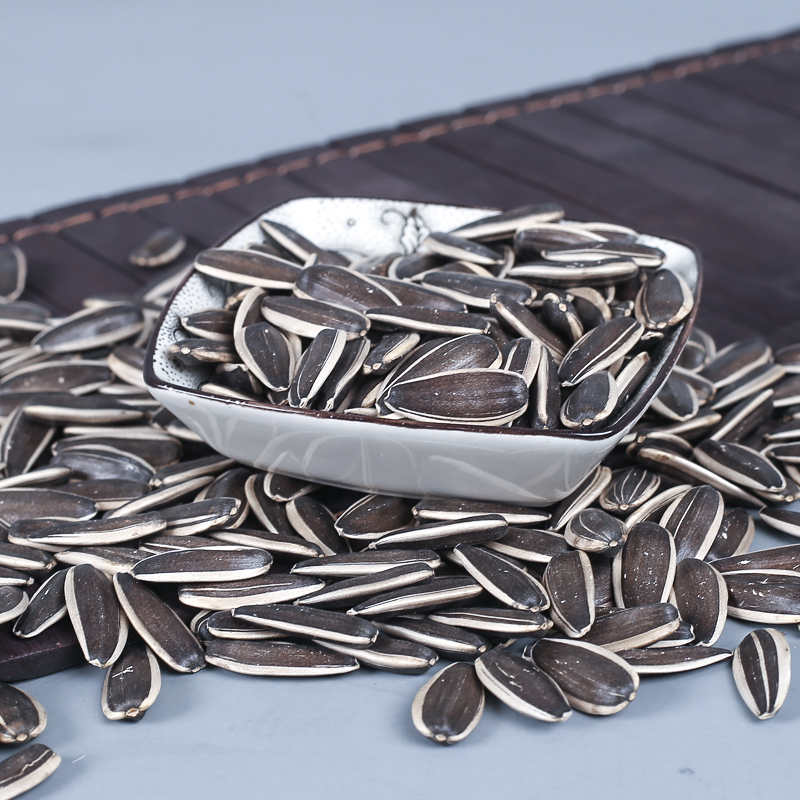
Unsalted sunflower seeds in shell represent a significant segment of the global snack food and agricultural commodity markets. These seeds, derived from Helianthus annuus, are not merely a confectionary item but also a key input for oil extraction, feed production, and increasingly, as a source of plant-based protein. Suppliers of these seeds operate within a complex supply chain, requiring adherence to strict quality control, agricultural best practices, and food safety regulations. The industry faces increasing pressure to deliver consistently high-quality seeds, free from defects and contaminants, while maintaining sustainable sourcing practices. This guide provides a detailed technical overview of unsalted sunflower seeds in shell, covering material science, manufacturing processes, performance characteristics, failure modes, and relevant industry standards, aimed at procurement managers and quality control engineers within the B2B sector. Core performance metrics revolve around kernel weight, oil content, moisture content, and freedom from foreign materials, all impacting the downstream processing efficiency and final product quality. The industry’s primary pain point is consistent seed quality – variations in seed size, oil content, and the presence of damaged seeds significantly impact profitability for processors.
Material Science & Manufacturing
Sunflower seeds, biologically classified as achenes, are composed of three primary components: the hull (pericarp), the kernel (cotyledon), and the embryo. The hull, comprising approximately 20-30% of the seed’s weight, consists of cellulose, hemicellulose, and lignin, providing a protective layer. Kernel composition is dominated by lipids (40-55%), proteins (18-25%), carbohydrates (15-20%), and moisture (5-10%). Lipid profiles are characterized by high linoleic acid content (typically 60-75%), making sunflower oil a valuable commodity. Manufacturing begins with cultivar selection based on desired oil content, kernel size, and disease resistance. Cultivation practices, including fertilization and irrigation, significantly influence seed quality. Harvesting is critical; optimal moisture content (around 10-12%) minimizes cracking and fungal growth. Post-harvest processing involves cleaning (removal of debris, dust, and small seeds), drying (to further reduce moisture content to 8-9% for storage), and sizing/grading (separation based on kernel size). Key parameters controlled during processing include drying temperature (to prevent protein denaturation and oil oxidation), cleaning efficiency (to minimize foreign material contamination), and sizing accuracy (to ensure consistent kernel size for downstream processing). The physical properties, such as hull strength and kernel density, are impacted by growing conditions and post-harvest handling. Chemical compatibility considerations include minimizing exposure to oxidizing agents during storage to prevent rancidity.
Performance & Engineering
The structural integrity of the seed shell is paramount, resisting cracking during handling, transportation, and processing. Force analysis reveals that shell strength is anisotropic, with higher resistance to compression along the axis of the seed. Environmental resistance is crucial; seeds are susceptible to moisture absorption, leading to fungal growth and aflatoxin contamination. Proper storage conditions (low temperature and humidity) are essential. Compliance requirements dictate adherence to food safety standards (e.g., HACCP) and maximum permissible levels of contaminants (e.g., heavy metals, pesticides). Functional implementation within processing involves dehulling, which requires careful control of impact force to minimize kernel damage. The coefficient of friction between seeds impacts flowability in processing equipment, affecting throughput and efficiency. Seed density is a critical parameter for sorting and grading systems, influencing the accuracy of size-based separation. Furthermore, the seed’s thermal properties (specific heat capacity and thermal conductivity) are relevant during roasting or oil extraction processes, impacting energy consumption and product quality. The impact of storage duration on oil quality (peroxide value, acidity) is a key engineering consideration, requiring regular monitoring and appropriate antioxidant packaging.
Technical Specifications
| Parameter | Unit | Typical Value | Acceptable Range |
|---|---|---|---|
| Kernel Weight | g | 0.5 - 0.7 | 0.4 - 0.8 |
| Oil Content (Dry Basis) | % | 48 - 52 | 45 - 55 |
| Moisture Content | % | 8 - 9 | 7 - 10 |
| Hull Content | % | 20 - 30 | 18 - 32 |
| Foreign Matter | % | < 1 | < 2 |
| Broken Kernels / Damaged Seeds | % | < 3 | < 5 |
Failure Mode & Maintenance
Sunflower seeds in shell are susceptible to several failure modes. Husk cracking during handling and transportation can lead to kernel exposure and increased susceptibility to moisture absorption and fungal contamination. Kernel shrinkage due to moisture loss results in reduced weight and processing efficiency. Lipid oxidation (rancidity) degrades oil quality, leading to off-flavors and reduced nutritional value. This is accelerated by exposure to oxygen, light, and elevated temperatures. Aflatoxin contamination is a serious concern, caused by Aspergillus fungi; it requires strict adherence to agricultural practices and storage protocols. Insect infestation can damage kernels and introduce contaminants. Maintenance strategies include proper storage in cool, dry, and well-ventilated facilities. Regular monitoring of moisture content and temperature is crucial. Implementing a robust pest control program is essential. Employing protective packaging (e.g., moisture-barrier bags, vacuum sealing) minimizes oxidation and moisture absorption. Routine quality control checks for aflatoxin levels are mandatory. Implementing First-In, First-Out (FIFO) inventory management minimizes storage duration and the risk of degradation. Corrective actions for damaged seeds involve segregation and potential repurposing for animal feed.
Industry FAQ
Q: What is the acceptable level of aflatoxin contamination for export to the EU?
A: The European Union regulations stipulate a maximum permissible level of 2 µg/kg for total aflatoxins in sunflower seeds. Suppliers must provide Certificates of Analysis demonstrating compliance with this standard, performed by accredited laboratories using validated methods.
Q: How does seed moisture content impact long-term storage stability?
A: Higher moisture content significantly accelerates deterioration during storage. It promotes fungal growth, lipid oxidation, and insect infestation. Maintaining a moisture content of 8-9% is critical for preserving seed quality for extended periods. Periodic monitoring and controlled-atmosphere storage are recommended.
Q: What grading standards are commonly used to classify sunflower seeds based on kernel size?
A: Grading standards vary regionally, but generally, seeds are classified into grades based on kernel diameter, using screens with different mesh sizes. Common classifications include Jumbo, Select, Standard, and Small, with Jumbo kernels commanding a higher price due to their higher oil content and processing yield.
Q: What are the key differences between conventional and high-oleic sunflower seeds?
A: Conventional sunflower seeds typically contain approximately 60-75% linoleic acid. High-oleic sunflower seeds are bred to contain >70% oleic acid, which improves oil stability, extending shelf life and reducing the need for hydrogenation. High-oleic seeds are preferred for frying applications.
Q: How can suppliers demonstrate traceability throughout the supply chain?
A: Implementing a robust traceability system is crucial. This involves maintaining detailed records of seed origin, processing steps, storage conditions, and quality control data. Utilizing unique lot numbers and blockchain technology can enhance traceability and build trust with buyers.
Conclusion
Unsalted sunflower seeds in shell represent a commodity heavily influenced by agricultural practices, post-harvest handling, and storage conditions. Maintaining consistently high quality requires meticulous attention to detail at every stage of the supply chain. The technical specifications outlined in this guide serve as a benchmark for evaluating seed quality and ensuring compliance with industry standards. The inherent susceptibility of sunflower seeds to moisture absorption, oxidation, and fungal contamination necessitates proactive maintenance strategies and rigorous quality control measures.
The future of the sunflower seed industry hinges on adopting sustainable agricultural practices, improving seed genetics for enhanced oil content and disease resistance, and implementing advanced traceability technologies. Continued investment in research and development will be critical for addressing emerging challenges, such as climate change and evolving consumer preferences. Suppliers who prioritize quality, sustainability, and transparency will be best positioned to thrive in this competitive market.
