Introduction
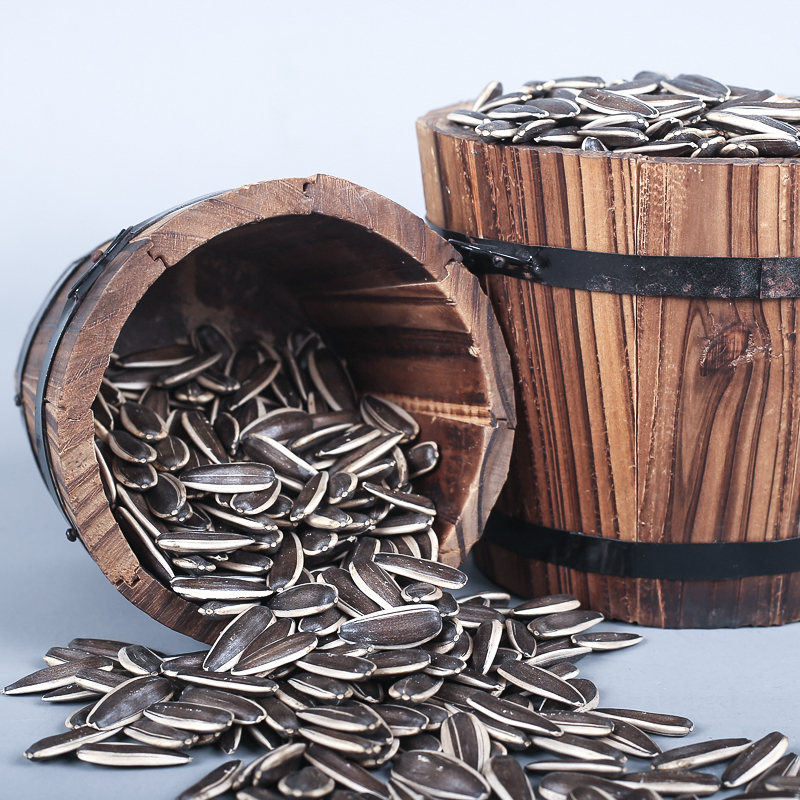
Unsalted sunflower seeds in shell represent a significant segment within the broader agricultural commodities market, positioned as a direct-consumption snack food and a crucial input for confectionary and avian feed industries. These seeds, derived from Helianthus annuus, are valued for their nutritional profile – high in unsaturated fats, vitamin E, and protein – and their characteristic textural experience. The supply chain, from agricultural cultivation and harvesting to processing, quality control, and packaging, demands stringent adherence to industry standards. Core performance characteristics, beyond nutritional content, encompass seed size consistency, kernel fill rate, shell integrity, and the absence of foreign matter. A key pain point for procurement managers is ensuring a stable supply of consistently high-quality seeds, mitigating risks associated with aflatoxin contamination, pesticide residues, and varietal inconsistencies. This guide provides a comprehensive technical overview of unsalted sunflower seeds in shell, focusing on material science, manufacturing processes, performance criteria, failure modes, and industry best practices.
Material Science & Manufacturing
Sunflower seeds are composed of three primary constituents: the kernel (seed meat), the hull (shell), and the embryo. The kernel is rich in oil (40-50% by weight), primarily linoleic acid, an omega-6 fatty acid, alongside proteins (20-25%) and carbohydrates (15-20%). The hull, composed largely of cellulose and lignin, provides physical protection and contributes to the seed’s bulk density. Manufacturing begins with cultivar selection, prioritizing traits like high kernel-to-hull ratio and oil content. Harvesting methods – typically mechanical – impact seed damage and contamination levels. Post-harvest processing involves cleaning (removal of stems, leaves, and other debris), drying (reducing moisture content to approximately 8-10% to prevent mold growth and aflatoxin production), dehulling (in some cases for kernel processing, not applicable to in-shell seeds), sizing (grading seeds by diameter to ensure consistency), and finally, quality control. Critical parameters during drying include temperature (maintained below 40°C to prevent protein denaturation and oil oxidation) and airflow (ensuring uniform drying). Seed moisture content is paramount; excessive moisture promotes microbial growth, while insufficient moisture can lead to kernel cracking during handling. The seeds’ oil composition is influenced by genetics and environmental factors like temperature and water availability during maturation. Foreign material presence (weed seeds, stones, metal fragments) necessitates robust cleaning processes utilizing screens, air separation, and magnetic separators.
Performance & Engineering
Performance analysis of unsalted sunflower seeds in shell centers on several key areas: shell strength, kernel integrity, oil stability, and microbiological safety. Shell strength, measured by compressive force required for fracture, is crucial for maintaining seed integrity during transport and handling. Variations in shell thickness and composition (influenced by cultivar and growing conditions) directly affect resistance to cracking. Kernel integrity refers to the absence of damaged kernels, defined as those with cracks, chips, or insect damage, impacting both appearance and oil quality. Oil stability, assessed through rancidity tests (Peroxide Value, Anisidine Value), indicates the rate of lipid oxidation, influenced by storage temperature, humidity, and the presence of antioxidants (vitamin E). Microbiological safety is paramount; seeds must meet stringent standards for total plate count, yeast and mold count, and the absence of pathogenic bacteria, particularly Salmonella and E. coli. Aflatoxin levels, produced by Aspergillus flavus and Aspergillus parasiticus fungi, are strictly regulated due to their carcinogenic properties. Engineering considerations involve optimal packaging materials (moisture barrier properties, oxygen permeability) and storage conditions (temperature control, ventilation) to minimize degradation and maintain product quality. Force analysis during handling (impact, compression) informs packaging design and material selection to prevent kernel damage and shell breakage.
Technical Specifications
| Parameter | Unit | Specification | Test Method |
|---|---|---|---|
| Moisture Content | % | ≤ 10.0 | AOAC 925.10 |
| Kernel Fill Rate | % | ≥ 90.0 | Visual Inspection & Weight Ratio |
| Foreign Matter | % | ≤ 1.0 | Visual Inspection |
| Aflatoxin B1 | ppb | ≤ 20 | HPLC |
| Oil Content | % | 40-50 | Soxhlet Extraction |
| Shell Strength (Compressive Force) | N | ≥ 50 | Instron Universal Testing Machine |
Failure Mode & Maintenance
Common failure modes for unsalted sunflower seeds in shell include shell cracking during handling and transportation (caused by impact or compression), kernel damage (resulting from physical stress or improper drying), lipid oxidation leading to rancidity (accelerated by exposure to oxygen, light, and heat), and microbiological contamination (primarily aflatoxin production due to inadequate drying and storage). Fatigue cracking in the shell can occur during repeated handling. Delamination of the kernel from the shell indicates compromised bonding, often a result of improper drying or thermal shock. Oxidation manifests as off-flavors and a decrease in nutritional value. Preventive maintenance focuses on optimizing storage conditions – maintaining low temperature (below 25°C) and relative humidity (below 65%), ensuring adequate ventilation, and protecting seeds from direct sunlight. Regular inspection for signs of insect infestation or mold growth is crucial. Proper packaging, utilizing moisture-barrier films and oxygen absorbers, extends shelf life. Implementing a robust HACCP (Hazard Analysis and Critical Control Points) plan throughout the supply chain minimizes the risk of contamination. For long-term storage, consideration should be given to inert gas flushing (nitrogen or carbon dioxide) to reduce oxygen levels.
Industry FAQ
Q: What is the acceptable tolerance for broken or damaged kernels within a shipment?
A: Industry standards typically allow for a maximum of 5% damaged kernels, defined as those exhibiting cracks, chips, or insect damage. However, this tolerance can be negotiated based on specific contract requirements and the intended end-use application. Higher tolerances may be acceptable for animal feed, while stricter tolerances are expected for direct human consumption.
Q: How is aflatoxin contamination monitored and controlled throughout the supply chain?
A: Aflatoxin monitoring begins at the source, with regular testing of raw materials. Critical control points include proper drying of seeds to reduce moisture content, segregation of potentially contaminated batches, and implementation of storage practices that minimize fungal growth. Periodic testing using HPLC (High-Performance Liquid Chromatography) is conducted throughout processing and packaging to ensure compliance with regulatory limits.
Q: What impact does the harvesting method have on the quality of the sunflower seeds?
A: Mechanical harvesting, while efficient, can cause physical damage to the seeds, including shell cracking and kernel breakage. Gentler harvesting techniques, such as manual harvesting (though less economically viable for large-scale operations), minimize damage. Proper calibration and maintenance of harvesting equipment are essential to reduce impact forces and minimize seed loss.
Q: What packaging materials are recommended for maintaining the quality of unsalted sunflower seeds in shell during long-term storage?
A: Multi-layer packaging films incorporating a moisture barrier (e.g., aluminum foil or polyethylene terephthalate – PET) and an oxygen barrier (e.g., EVOH – ethylene vinyl alcohol) are recommended. The inclusion of oxygen absorbers within the packaging further reduces oxidation. Bags should be tightly sealed to prevent ingress of moisture and oxygen.
Q: How does seed moisture content affect storage life and aflatoxin risk?
A: Seed moisture content is a critical factor. Moisture content above 10% significantly increases the risk of fungal growth and aflatoxin production. Maintaining a moisture content of 8-10% through proper drying and storage is essential for maximizing storage life and ensuring product safety. Regular monitoring of moisture levels during storage is recommended.
Conclusion
The quality of unsalted sunflower seeds in shell is a complex interplay of genetic factors, agricultural practices, processing techniques, and storage conditions. Maintaining optimal moisture content, minimizing physical damage, and preventing microbiological contamination – particularly aflatoxin production – are paramount. Rigorous adherence to industry standards and implementation of robust quality control measures throughout the supply chain are crucial for delivering a safe, nutritious, and consistently high-quality product to consumers.
Future advancements in sunflower seed breeding will likely focus on developing cultivars with increased shell strength, improved kernel fill rate, and enhanced resistance to fungal diseases. Furthermore, the adoption of advanced packaging technologies, such as modified atmosphere packaging (MAP) and active packaging, will contribute to extended shelf life and improved product preservation. Continuous monitoring and refinement of processing and storage protocols will remain essential for mitigating risks and meeting evolving consumer demands.
